
Feed aggregator
NASA Tests New Refuel Device for Future In-Space Refueling Missions
To view this video please enable JavaScript, and consider upgrading to a web browser that supports HTML5 video
Engineers from NASA’s Marshall Space Flight Center in Huntsville, Alabama, and L3Harris con-duct operational testing on a developmental cryocoupler, a vital technology for future in-orbit spacecraft refueling.NASA/Tyson EasonFor NASA’s next generation of deep space exploration missions, spacecraft may need to refuel in Earth orbit before pushing farther into the solar system. Similar to how a gas pump needs a nozzle to fit your fuel tank, future spacecraft could require a special device in order to fill up prior to departure, known as a cryocoupler.
Cryocouplers would allow spacecraft to connect to future orbital propellant depots, which would serve as the gas stations of space. The technology comes with the challenge of reliably transferring cryogenic, or super-cold, fluids without losing propellant or performance. Cryogenic propellants like liquid hydrogen and liquid oxygen must stay chilled to hundreds of degrees below zero Fahrenheit, placing strict demands on the materials, seals, and mechanisms that move them.
“In-orbit cryogenic refueling between two spacecraft has yet to be done and remains one of the toughest engineering challenges in spaceflight,” said Travis Belcher, cryocoupler project manager at NASA’s Marshall Space Flight Center in Huntsville, Alabama. “These propellant transfers are essential for the kinds of missions NASA wants to fly in the future, so developing a coupler that can handle ultra-cold propellants is a critical step toward making that capability real.”
Ground-based couplers like those used to fill the SLS (Space Launch System) for Artemis missions are not an option for orbiting propellant transfers. Those couplers release quickly while a rocket is launching and must be manually reconnected for the next flight. They also are not designed to operate in the harsh environment of space and are much larger than what would be used to refill an orbiting spacecraft’s fuel tank.
To meet these challenges, NASA tested a cryocoupler developed by L3Harris.
“The cryocouplers we’re working on can attach and detach multiple times and are fully automated, so astronauts won’t have to perform a spacewalk to transfer propellant,” said Belcher. “They’re rigorously designed to withstand space and sized for the expected tank designs.”
A joint NASA and L3Harris team recently conducted two types of tests at NASA Marshall. To ensure the cryocoupler can handle the extremely cold temperatures it will be exposed to, they ran liquid nitrogen at minus 321 degrees Fahrenheit through multiple connected and disconnected configurations to observe how the coupler reacts to thermal contraction, flow, and significant temperature differences between propellant and materials.
The team also put the cryocoupler through operational tests to determine its performance limits. In this setup, one coupler half was mounted to a robotic table that could move and rotate in any direction, allowing it to simulate misaligned docking with the other half, which remained stationary above the table. The cryocoupler is designed to accommodate some misalignment in case a spacecraft and depot are not perfectly aligned when docking.
“These cryocouplers are very early in development, so the testing is mostly focused on basic functionality,” said Belcher. “Future test campaigns will design them for specific missions and assess them more meticulously based on that mission’s requirements.”
The cryocoupler testing was done as part of a 2022 Announcement of Collaboration Opportunity, a partnership where NASA centers provide select companies with expertise, facilities, hardware, and software at no cost.
The Cryogenic Fluid Management Portfolio project, a cross-agency team based at NASA Marshall and NASA’s Glenn Research Center in Cleveland, oversees cryocoupler development.
To learn more about cryogenic fluid management, visit:
Share Details Last Updated Jun 26, 2026 EditorLee MohonContactJoel Wallacejoel.w.wallace@nasa.govLocationMarshall Space Flight Center Related Terms Explore More 1 min read Novel Recuperator Design for Cryogenic Fluid Management System Article 1 year ago 2 min read NASA, Industry Prepare Cryogenic Fuel Technology Demo Article 2 months ago 5 min read Brr, It’s Cold in Here! NASA’s Cryo Efforts Beyond the Atmosphere Article 2 years ago Keep Exploring Discover More Topics From NASACryogenic Fluid Management (CFM)
Technology Demonstration Missions (TDM)
Space Technology Mission Directorate
Space Nuclear Propulsion
Partners, NASA Ready for June Launch of Swift Boost Mission
5 min read
Partners, NASA Ready for June Launch of Swift Boost Mission NASA is on a mission to lift its Neil Gehrels Swift Observatory along with partners Katalyst Space and Northrop Grumman. Watch to get a sneak peek.Credit: NASA’s Goddard Space Flight Center/Katalyst Space/Northrop Grumman
Editor’s note, June 29, 2026: The no-earlier-than launch time for June 30 has shifted from 6:23 a.m. to 6:17 a.m. EDT (10:23 p.m. to 10:17 p.m. local time in Kwajalein).
A mission to raise the orbit of NASA’s Neil Gehrels Swift Observatory is poised for launch no earlier than Tuesday, June 30, 6:23 a.m. EDT (10:23 p.m. UTC+12), from Kwajalein Atoll, part of the Republic of the Marshall Islands in the South Pacific Ocean.
A robotic servicing satellite called LINK, built by Katalyst Space, will blast into orbit on a Northrop Grumman Pegasus XL rocket. LINK will rendezvous with, grapple, and slowly raise Swift’s altitude over several months, preventing it from re-entering Earth’s atmosphere later this year.
“Swift is NASA’s multitool when it comes to studying the cosmos,” said S. Bradley Cenko, principal investigator, Swift, NASA’s Goddard Space Flight Center in Greenbelt, Maryland. “It observes the sky using a wide range of light and rapidly points at short-lived outbursts, alerting other facilities in space and on the ground to help coordinate follow-up observations. For the last two decades, Swift has been a key player in NASA’s efforts to understand how the universe works, and we’re looking forward to getting back to that work after the boost is complete.”
This mosaic of M31 merges 330 individual images taken by the Ultraviolet/Optical Telescope aboard Swift. It is the highest-resolution image of the galaxy ever recorded in the ultraviolet. The image shows a region 200,000 light-years wide and 100,000 light-years high. NASA/Swift/Stefan Immler (GSFC) and Erin Grand (UMCP)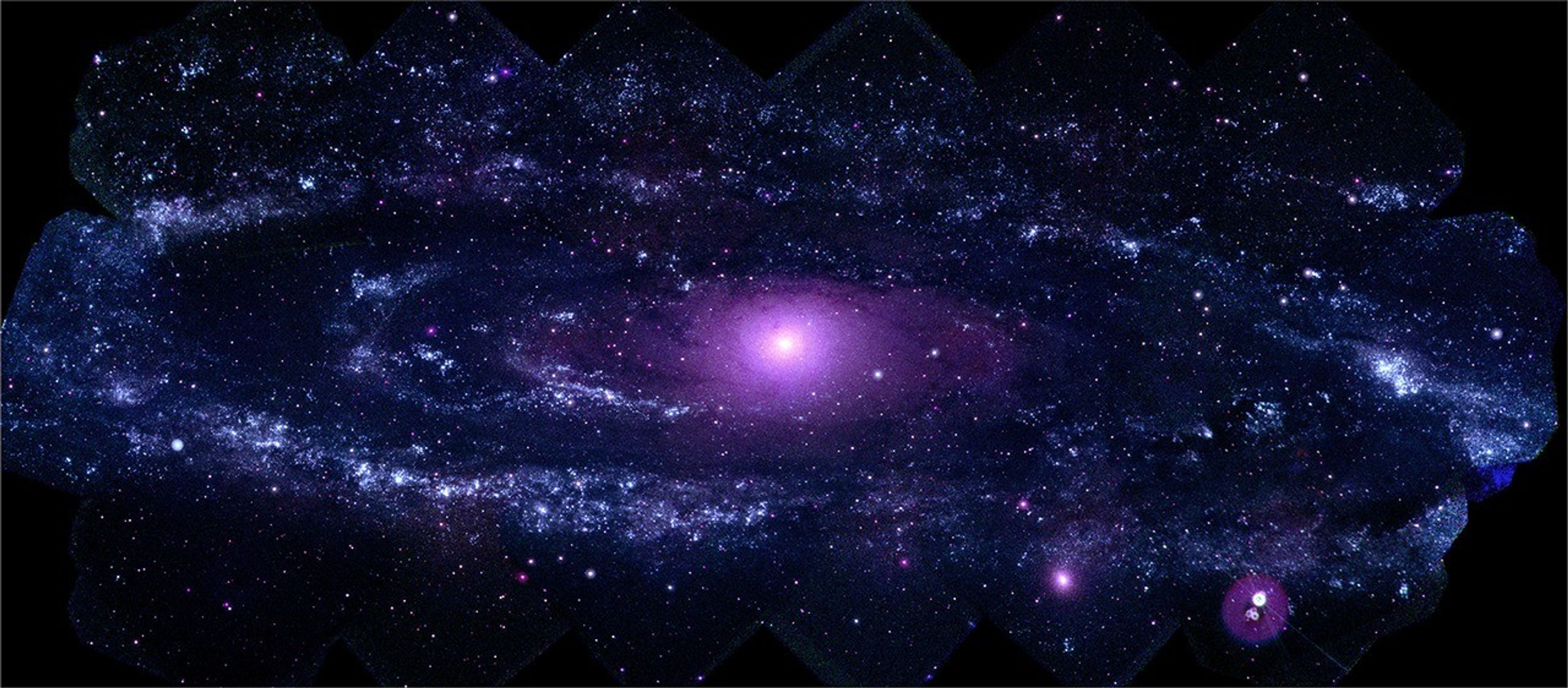
Download high-resolution images and videos related to Swift through NASA’s Scientific Visualization Studio.
Our planet’s atmosphere creates drag on all spacecraft in low Earth orbit, gradually reducing their altitudes if they don’t have propulsion systems to counteract the effect.
A recent bout of increased solar activity magnified this impact on Swift, which launched in November 2004.
Rather than allowing Swift to re-enter the atmosphere as many missions do, NASA is using the opportunity to advance the U.S. commercial satellite servicing industry.
In September, the agency contracted Katalyst to attempt to boost the observatory. The company would have less than one year to design, build, test, and launch a satellite to meet, grab, and lift Swift to nearly its original orbit.
“Swift wasn’t designed to be serviced,” said Ghonhee Lee, CEO of Katalyst. “By demonstrating we can quickly and cost-effectively extend its lifetime, we’re creating a blueprint for servicing spacecraft that were never designed for on-orbit maintenance. If we’re going to build an enduring presence beyond Earth, we need the capability to manipulate our environment in space. That means deploying robotic spacecraft that can reposition, repair, refuel, and refit satellites after launch.”
Katalyst engineers attach LINK to a baseplate inside the Space Environment Simulator at NASA Goddard on Tuesday, April 28, 2026. Once all the air was pumped out of the 27-foot-diameter chamber, the team practiced firing the satellite’s ion thrusters and operated one of the robotic arms while they cycled through space-like hot and cold temperatures. NASA/Sophia Roberts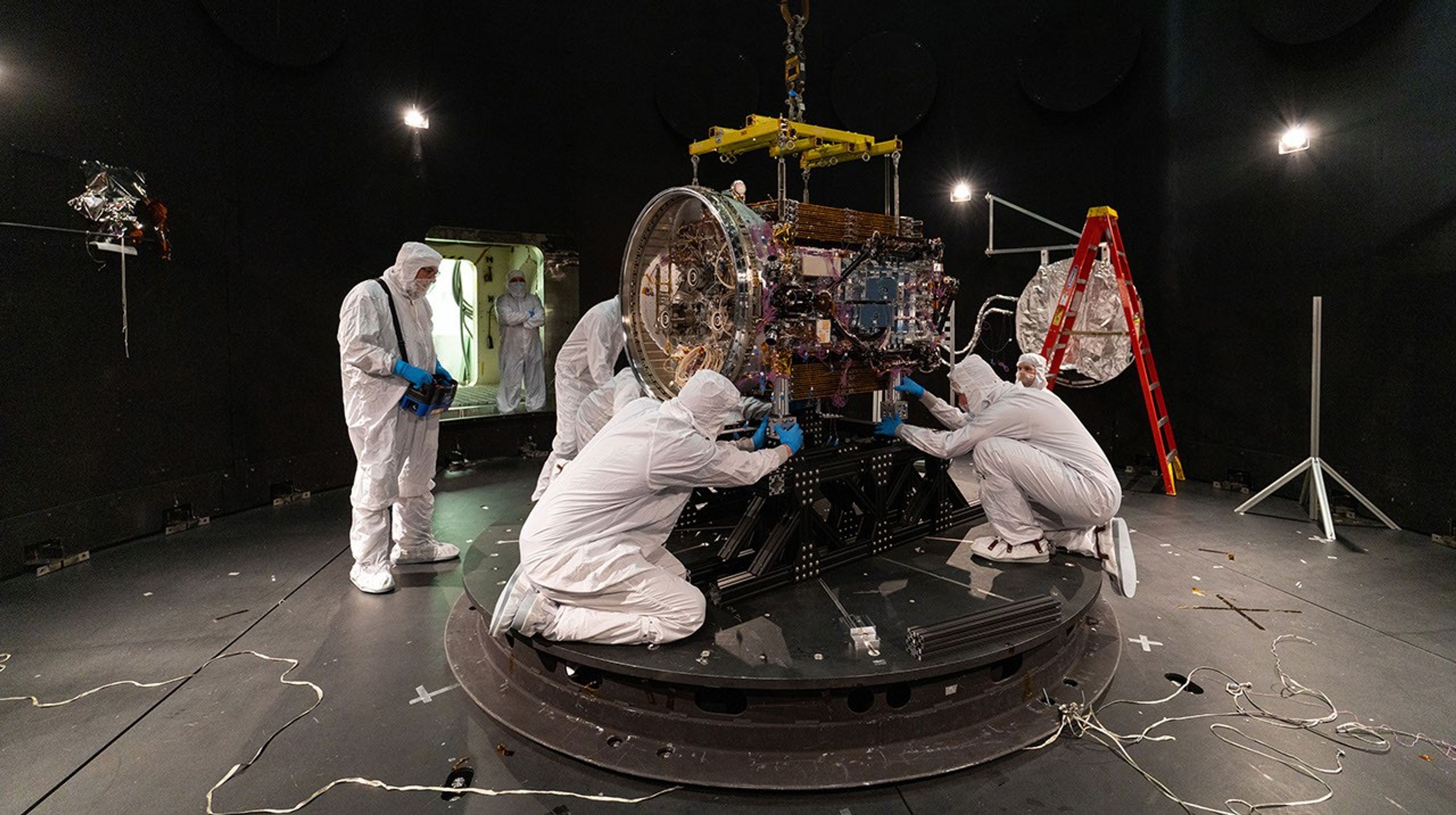
The LINK spacecraft weighs about 880 pounds and stands about 5 feet tall, about a third of Swift’s overall size. Nearly 20 feet of solar panels will power three ion thrusters and a trio of robotic arms.
LINK completed environmental testing that mimicked launch and space-like conditions at NASA Goddard this spring, as well as additional preflight assessments at Katalyst’s facility in Broomfield, Colorado.
For the boost to have its best chance of success, Swift needs to stay above an altitude of about 185 miles.
By the end of last year, however, orbital predictions generated by NASA showed the observatory reaching that threshold as early as July.
To slow Swift’s descent, the operations team at Penn State’s Eberly College of Science altered how they managed and oriented the spacecraft.
Unlike during normal operating procedures, where Swift looks at spots on the sky that are scientifically interesting, the team now selects targets that steer Swift into the most streamlined position. They also reduced power consumption as much as possible to place the satellite’s large solar panels in a more aerodynamic orientation.
Recent orbital predictions show these changes will keep Swift above critical altitude until this fall.
Stargazer, Pegasus XL, and LINK await takeoff on Wednesday, June 17, 2026, at NASA’s Wallops Flight Facility in Virginia. Engineers control the temperature and humidity inside the nose cone of the rocket to keep the satellite and avionics safe from weather and changing environmental conditions during flight. NASA/Ron Beard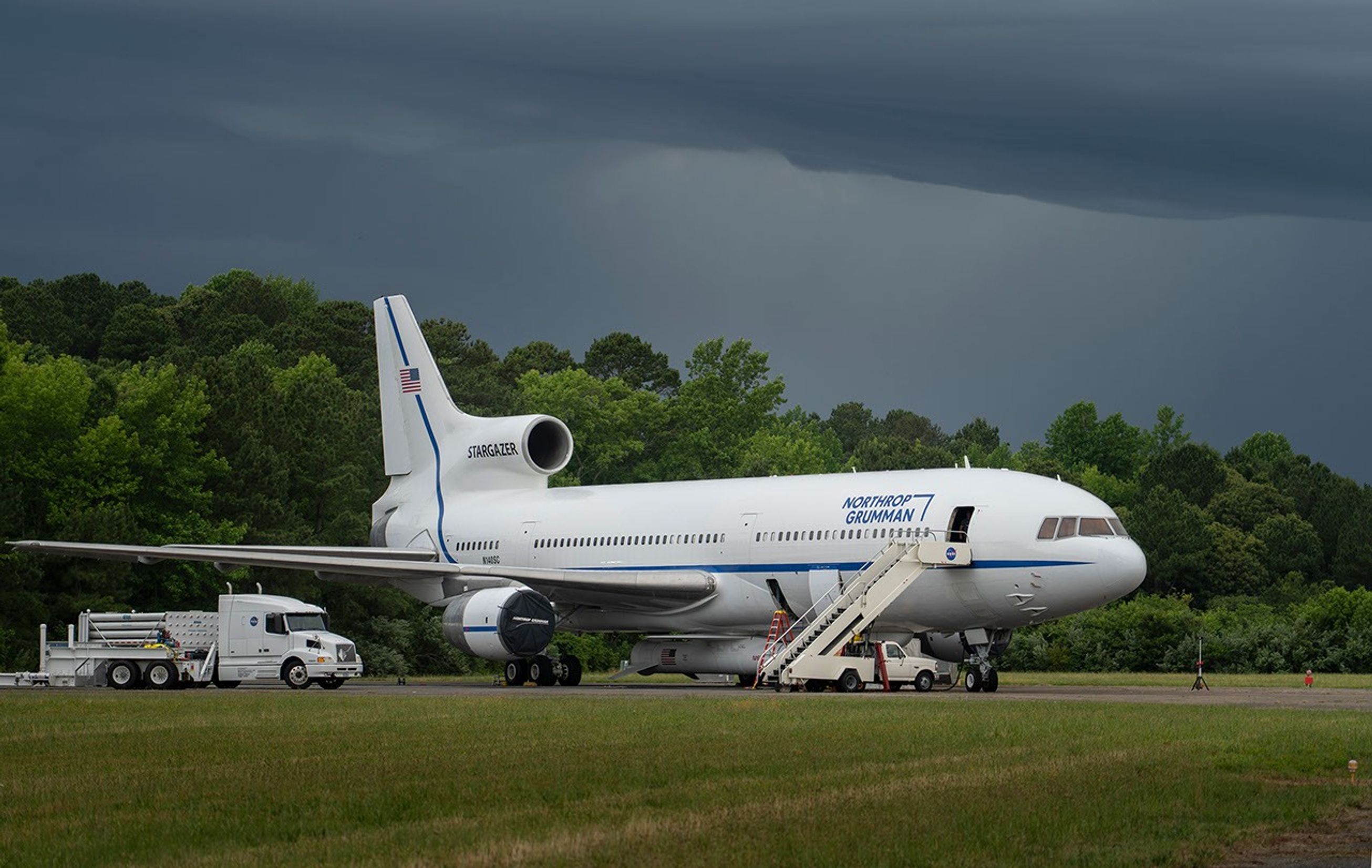
The satellite will launch aboard the Pegasus XL.
“We can deploy Pegasus from almost anywhere in the world using our Stargazer, a modified L-1011 aircraft,” said Wes Collier, vice president of launch systems at Northrop Grumman. “That combination of flexibility and responsive access to space will help LINK quickly reach Swift, giving the teams time to complete the boost.”
Earlier this month, engineers loaded LINK into the Pegasus XL and attached the rocket to Stargazer at NASA’s Wallops Flight Facility in Virginia. The aircraft and its payload departed for Kwajalein Atoll on Thursday, June 18, where it now awaits launch.
Once in orbit, LINK will undergo several weeks of commissioning as Katalyst evaluates the spacecraft’s propulsion, navigation, and sensor systems. It then will slowly approach and survey Swift before grabbing the observatory with its robotic arms and slowly raising the orbit to nearly 370 miles.
“This is a high-risk, high-reward mission,” said Shawn Domagal-Goldman, division director, Astrophysics, NASA Headquarters in Washington. “Swift plays a notable role in our fleet. We have much to gain by attempting this boost, which is more affordable than trying to replace Swift’s capabilities and allows NASA to advance the nation’s satellite servicing industry, for the benefit of all.”
Learn more about the Swift boost at:
https://science.nasa.gov/mission/swift/swift-boost-mission/
By Jeanette Kazmierczak
Goddard Space Flight Center, Greenbelt, Md.
Media contacts:
Alise Fisher
Headquarters, Washington
202-358-2546
Claire Andreoli
Goddard Space Flight Center, Greenbelt, Md.
301-286-1940
Partners, NASA Ready for June Launch of Swift Boost Mission
5 min read
Partners, NASA Ready for June Launch of Swift Boost Mission NASA is on a mission to lift its Neil Gehrels Swift Observatory along with partners Katalyst Space and Northrop Grumman. Watch to get a sneak peek.Credit: NASA’s Goddard Space Flight Center/Katalyst Space/Northrop Grumman
A mission to raise the orbit of NASA’s Neil Gehrels Swift Observatory is poised for launch no earlier than Tuesday, June 30, 6:23 a.m. EDT (10:23 p.m. UTC+12), from Kwajalein Atoll, part of the Republic of the Marshall Islands in the South Pacific Ocean.
A robotic servicing satellite called LINK, built by Katalyst Space, will blast into orbit on a Northrop Grumman Pegasus XL rocket. LINK will rendezvous with, grapple, and slowly raise Swift’s altitude over several months, preventing it from re-entering Earth’s atmosphere later this year.
“Swift is NASA’s multitool when it comes to studying the cosmos,” said S. Bradley Cenko, principal investigator, Swift, NASA’s Goddard Space Flight Center in Greenbelt, Maryland. “It observes the sky using a wide range of light and rapidly points at short-lived outbursts, alerting other facilities in space and on the ground to help coordinate follow-up observations. For the last two decades, Swift has been a key player in NASA’s efforts to understand how the universe works, and we’re looking forward to getting back to that work after the boost is complete.”
This mosaic of M31 merges 330 individual images taken by the Ultraviolet/Optical Telescope aboard Swift. It is the highest-resolution image of the galaxy ever recorded in the ultraviolet. The image shows a region 200,000 light-years wide and 100,000 light-years high. NASA/Swift/Stefan Immler (GSFC) and Erin Grand (UMCP)Download high-resolution images and videos related to Swift through NASA’s Scientific Visualization Studio.
Our planet’s atmosphere creates drag on all spacecraft in low Earth orbit, gradually reducing their altitudes if they don’t have propulsion systems to counteract the effect.
A recent bout of increased solar activity magnified this impact on Swift, which launched in November 2004.
Rather than allowing Swift to re-enter the atmosphere as many missions do, NASA is using the opportunity to advance the U.S. commercial satellite servicing industry.
In September, the agency contracted Katalyst to attempt to boost the observatory. The company would have less than one year to design, build, test, and launch a satellite to meet, grab, and lift Swift to nearly its original orbit.
“Swift wasn’t designed to be serviced,” said Ghonhee Lee, CEO of Katalyst. “By demonstrating we can quickly and cost-effectively extend its lifetime, we’re creating a blueprint for servicing spacecraft that were never designed for on-orbit maintenance. If we’re going to build an enduring presence beyond Earth, we need the capability to manipulate our environment in space. That means deploying robotic spacecraft that can reposition, repair, refuel, and refit satellites after launch.”
Katalyst engineers attach LINK to a baseplate inside the Space Environment Simulator at NASA Goddard on Tuesday, April 28, 2026. Once all the air was pumped out of the 27-foot-diameter chamber, the team practiced firing the satellite’s ion thrusters and operated one of the robotic arms while they cycled through space-like hot and cold temperatures. NASA/Sophia RobertsThe LINK spacecraft weighs about 880 pounds and stands about 5 feet tall, about a third of Swift’s overall size. Nearly 20 feet of solar panels will power three ion thrusters and a trio of robotic arms.
LINK completed environmental testing that mimicked launch and space-like conditions at NASA Goddard this spring, as well as additional preflight assessments at Katalyst’s facility in Broomfield, Colorado.
For the boost to have its best chance of success, Swift needs to stay above an altitude of about 185 miles.
By the end of last year, however, orbital predictions generated by NASA showed the observatory reaching that threshold as early as July.
To slow Swift’s descent, the operations team at Penn State’s Eberly College of Science altered how they managed and oriented the spacecraft.
Unlike during normal operating procedures, where Swift looks at spots on the sky that are scientifically interesting, the team now selects targets that steer Swift into the most streamlined position. They also reduced power consumption as much as possible to place the satellite’s large solar panels in a more aerodynamic orientation.
Recent orbital predictions show these changes will keep Swift above critical altitude until this fall.
Stargazer, Pegasus XL, and LINK await takeoff on Wednesday, June 17, 2026, at NASA’s Wallops Flight Facility in Virginia. Engineers control the temperature and humidity inside the nose cone of the rocket to keep the satellite and avionics safe from weather and changing environmental conditions during flight. NASA/Ron BeardThe satellite will launch aboard the Pegasus XL.
“We can deploy Pegasus from almost anywhere in the world using our Stargazer, a modified L-1011 aircraft,” said Wes Collier, vice president of launch systems at Northrop Grumman. “That combination of flexibility and responsive access to space will help LINK quickly reach Swift, giving the teams time to complete the boost.”
Earlier this month, engineers loaded LINK into the Pegasus XL and attached the rocket to Stargazer at NASA’s Wallops Flight Facility in Virginia. The aircraft and its payload departed for Kwajalein Atoll on Thursday, June 18, where it now awaits launch.
Once in orbit, LINK will undergo several weeks of commissioning as Katalyst evaluates the spacecraft’s propulsion, navigation, and sensor systems. It then will slowly approach and survey Swift before grabbing the observatory with its robotic arms and slowly raising the orbit to nearly 370 miles.
“This is a high-risk, high-reward mission,” said Shawn Domagal-Goldman, division director, Astrophysics, NASA Headquarters in Washington. “Swift plays a notable role in our fleet. We have much to gain by attempting this boost, which is more affordable than trying to replace Swift’s capabilities and allows NASA to advance the nation’s satellite servicing industry, for the benefit of all.”
Learn more about the Swift boost at:
https://science.nasa.gov/mission/swift/swift-boost-mission/
By Jeanette Kazmierczak
Goddard Space Flight Center, Greenbelt, Md.
Media contacts:
Alise Fisher
Headquarters, Washington
202-358-2546
Claire Andreoli
Goddard Space Flight Center, Greenbelt, Md.
301-286-1940
Mars Express Captures Dozens of Dust Devils in Mars Valley
The European Space Agency’s Mars Express has captured part of Mars’s Mamers Valles: a fascinating valley system speckled with brief, tornado-like whirlwinds known as dust devils.
What happens at the edge of a black hole? Astronomers may be close to finding out
The discovery of a completely new type of gravitational wave could reveal what happens near a black hole’s event horizon
Ancient Roman scrolls destroyed by Mount Vesuvius digitally unrolled in full for first time
This Silicon Valley-backed venture is unraveling the mangled remains of scrolls ruined by the 79 C.E. eruption of Vesuvius that destroyed Herculaneum and Pompeii
NASA Identifies More Than 40 Space Technologies for Collaboration
NASA selected 41 proposals from 37 companies to advance technologies in support of the agency’s goals to establish a long-term presence on the Moon and enable human exploration of Mars.
These American companies, picked from NASA’s 2025 Announcement of Collaboration Opportunity (ACO), will mature technologies creating solutions for space transportation, planetary surface operations, and lunar surface infrastructure.
“We are empowering American industry to become active partners in NASA’s missions to the Moon, Mars, and beyond,” said Greg Stover, director, Advanced Research and Technology Division in the agency’s Research and Technology Mission Directorate at NASA Headquarters in Washington. “By tapping into commercial industry, NASA can rapidly develop key capabilities to support its most ambitious missions while fostering the nation’s robust space economy.”
NASA’s ACO establishes mutually beneficial partnerships between the agency and industry without the exchange of funds. Through this opportunity, companies leverage NASA’s specialized facilities, software, hardware, and subject matter experts, allowing them to rapidly mature their technologies for both commercial markets and future government missions.
Since launching the first ACO in 2015, NASA has supported more than 110 projects. The total estimated value of agency resources to support the agreements is approximately $30 million, which leverages an additional $32 million of industry contributions. The period of performance will be negotiated for each agreement, with an expected duration of 12 to 24 months.
Industry proposers were tasked with responding to agency technology topics that would benefit from the rapid development enabled by a public-private partnership, including space transportation engine elements, guidance and navigation systems, landing systems, in-space servicing assembly and manufacturing, and energy management technologies.
The complete list of selections can be found on the agency’s website and span cross-cutting capabilities, including:
Power generation
Lockheed Martin will mature a modular, compact energy solution that could support sustained power generation in the Moon’s permanently shadowed regions, helping future crew and resources survive the long lunar night. The company’s wireless power transfer system aims to advance power-beaming technology using fiber lasers and a space-based heat rejection system for durability.
In-space logistics
To enhance orbital missions, Kall Morris Inc. will develop Asteria, a supplemental payload attachment system. Asteria can attach to legacy, current, and next-generation orbital assets using a non-destructive, controlled-release adhesive without requiring pre-installed infrastructure. This technology enables advanced maneuvering, improved object tracking, asset protection, data collection, and satellite life extension.
Dust mitigation technology
Moonprint Solutions, a small business, is proposing flexible isolation covers to protect critical hardware and systems from abrasive dust in the harsh lunar environment. Flexible covers provide a strategic advantage by offering protection that conforms to complex shapes for a variety of hardware. These durable covers could be used on rovers, robotic joints, hoses, and other articulated equipment to support long-term operations on the Moon and Mars.
Selected projects could make a significant impact on the commercial space sector, such as expanding existing or opening new markets, lowering price, increasing choice, or providing entirely new capabilities.
Organizations interested in developing space technology with NASA can explore opportunities online.
For more information about NASA’s space technology investments, visit:
-end-
Jennifer Dooren / Rob Margetta
Headquarters, Washington
202-358-1600
jennifer.m.dooren@nasa.gov / robert.j.margetta@nasa.gov
NASA Identifies More Than 40 Space Technologies for Collaboration
NASA selected 41 proposals from 37 companies to advance technologies in support of the agency’s goals to establish a long-term presence on the Moon and enable human exploration of Mars.
These American companies, picked from NASA’s 2025 Announcement of Collaboration Opportunity (ACO), will mature technologies creating solutions for space transportation, planetary surface operations, and lunar surface infrastructure.
“We are empowering American industry to become active partners in NASA’s missions to the Moon, Mars, and beyond,” said Greg Stover, director, Advanced Research and Technology Division in the agency’s Research and Technology Mission Directorate at NASA Headquarters in Washington. “By tapping into commercial industry, NASA can rapidly develop key capabilities to support its most ambitious missions while fostering the nation’s robust space economy.”
NASA’s ACO establishes mutually beneficial partnerships between the agency and industry without the exchange of funds. Through this opportunity, companies leverage NASA’s specialized facilities, software, hardware, and subject matter experts, allowing them to rapidly mature their technologies for both commercial markets and future government missions.
Since launching the first ACO in 2015, NASA has supported more than 110 projects. The total estimated value of agency resources to support the agreements is approximately $30 million, which leverages an additional $32 million of industry contributions. The period of performance will be negotiated for each agreement, with an expected duration of 12 to 24 months.
Industry proposers were tasked with responding to agency technology topics that would benefit from the rapid development enabled by a public-private partnership, including space transportation engine elements, guidance and navigation systems, landing systems, in-space servicing assembly and manufacturing, and energy management technologies.
The complete list of selections can be found on the agency’s website and span cross-cutting capabilities, including:
Power generation
Lockheed Martin will mature a modular, compact energy solution that could support sustained power generation in the Moon’s permanently shadowed regions, helping future crew and resources survive the long lunar night. The company’s wireless power transfer system aims to advance power-beaming technology using fiber lasers and a space-based heat rejection system for durability.
In-space logistics
To enhance orbital missions, Kall Morris Inc. will develop Asteria, a supplemental payload attachment system. Asteria can attach to legacy, current, and next-generation orbital assets using a non-destructive, controlled-release adhesive without requiring pre-installed infrastructure. This technology enables advanced maneuvering, improved object tracking, asset protection, data collection, and satellite life extension.
Dust mitigation technology
Moonprint Solutions, a small business, is proposing flexible isolation covers to protect critical hardware and systems from abrasive dust in the harsh lunar environment. Flexible covers provide a strategic advantage by offering protection that conforms to complex shapes for a variety of hardware. These durable covers could be used on rovers, robotic joints, hoses, and other articulated equipment to support long-term operations on the Moon and Mars.
Selected projects could make a significant impact on the commercial space sector, such as expanding existing or opening new markets, lowering price, increasing choice, or providing entirely new capabilities.
Organizations interested in developing space technology with NASA can explore opportunities online.
For more information about NASA’s space technology investments, visit:
-end-
Jennifer Dooren / Rob Margetta
Headquarters, Washington
202-358-1600
jennifer.m.dooren@nasa.gov / robert.j.margetta@nasa.gov
Euclid Sees Heart of Milky Way
Euclid Sees Heart of Milky Way
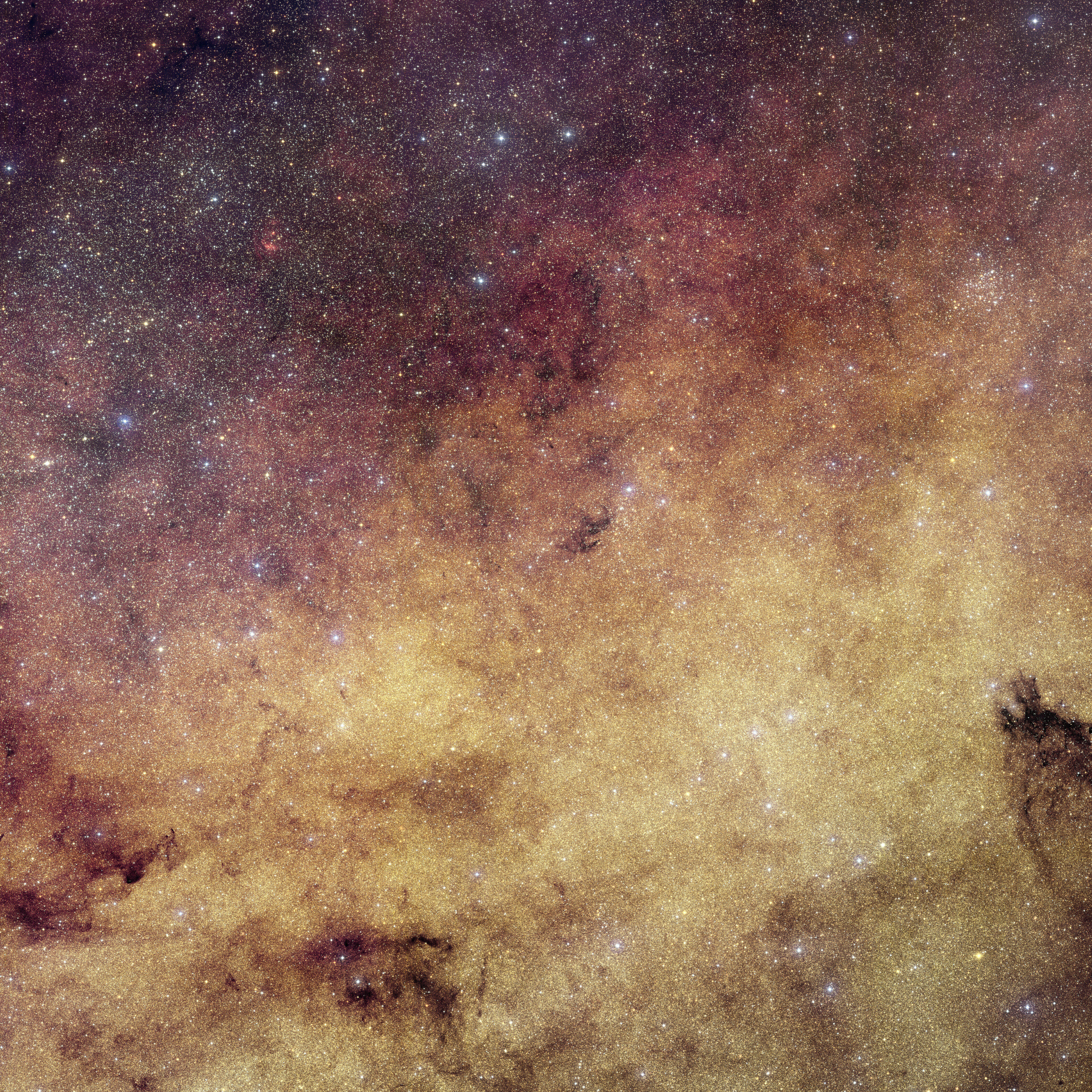
Euclid, an ESA (European Space Agency) mission with NASA contributions, took a new look at the heart of our Milky Way galaxy, seen in this image released on June 24, 2026. This observation overlaps with a region scientists will observe with NASA’s Nancy Grace Roman Space Telescope, launching later this summer. This sneak peek gives astronomers a major jumpstart on a core Roman survey, helping scientists learn more than they could from either telescope alone.
Read more about Euclid and what Roman will see.
Image credit: ESA/Euclid/Euclid Consortium/NASA, CFHT, image processing by J.-C. Cuillandre and E. Bertin (CEA Paris-Saclay)
Euclid Sees Heart of Milky Way
Euclid, an ESA (European Space Agency) mission with NASA contributions, took a new look at the heart of our Milky Way galaxy, seen in this image released on June 24, 2026. This observation overlaps with a region scientists will observe with NASA’s Nancy Grace Roman Space Telescope, launching later this summer. This sneak peek gives astronomers a major jumpstart on a core Roman survey, helping scientists learn more than they could from either telescope alone.
Read more about Euclid and what Roman will see.
Image credit: ESA/Euclid/Euclid Consortium/NASA, CFHT, image processing by J.-C. Cuillandre and E. Bertin (CEA Paris-Saclay)
I have a 100 per cent chance of getting cancer due to a rare gene
I have a 100 per cent chance of getting cancer due to a rare gene
From Lab to Orbit | Turning Space Science into Reality | ESA Explores #21
Go behind the scenes at ESA’s European Astronaut Centre in Cologne, Germany, and discover how space experiments are prepared long before they reach orbit. Meet the ECOS team, as Deputy Manager Salvi Verma shares how they work with scientists, engineers and astronauts to turn ideas into real missions aboard the International Space Station. From early planning on the ground to supporting astronauts like ESA astronaut Sophie Adenot during her Epsilon mission, this is how space science becomes reality.
This interview was recorded in March 2026.
Cosmic imposters show astronomers sometimes get things hilariously wrong
Sometimes we mistake one kind of object with another to disastrous effect
Bringing Signals to NASA
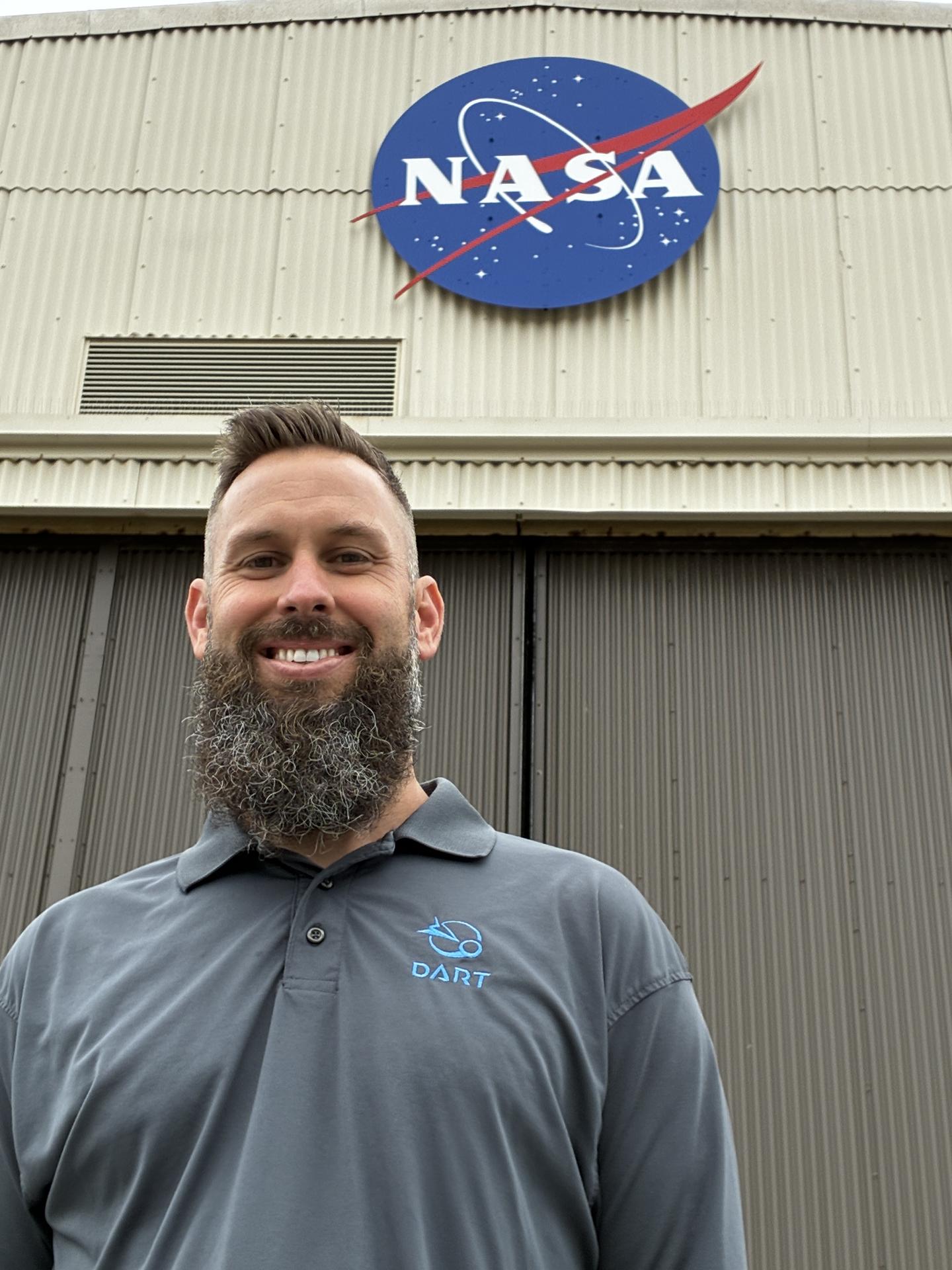
Growing up on the central California coast, watching rocket launches with his father was part of Eric Fernandez’s childhood routine. Fernandez had posters of rockets on the wall, but despite being fascinated by them, he never imagined one day this would be his career. Because both of his grandparents had served at Vandenberg Air Force Base (later renamed to Vandenberg Space Force Base), he assumed that the launches from there were for the military. NASA didn’t cross his mind. The space agency seemed very far away from a place like Orcutt, California, a small town situated among rolling hills covered with farms and vineyards.
Fernandez had been part of a painting crew for several years after high school. While it paid the rent, it wasn’t what he wanted to do with his life. However, he found something he enjoyed. He had started at his future father-in-law’s appliance store, working as a technician, repairing and installing appliances. He excelled at the work and planned to stay there with the goal to eventually run the small business.
Then he got a call.
It was from a friend about an opening for something called telemetry. Fernandez wasn’t sure what that meant. He was happy with his current career path. He nearly declined the offer, but after some persuading, he decided to go for the interview at a NASA building on the military base.
“I walked in the telemetry lab, and I see oscilloscopes, screens with squiggly lines, lots of blinking lights, and things I didn’t know about at the time,” Fernandez recounted. “I was very curious about it, so I was asking a million questions as we toured the lab, and they were asking about me. They really liked my background, especially my electronics experience, my troubleshooting skills, and my ability to solder.”
He received an offer for a technician position from a company that provided support to NASA under the Expendable Launch Vehicle Integrated Support, or ELVIS, contract. Fernandez had to make an important decision about his future.
“I prayed about it and met with my father-in-law,” said Fernandez. “I decided to change career paths and start a new career as a contractor working with NASA, supporting its Launch Services Program.”
That was 17 years ago, and he has been working there ever since, advancing to telemetry engineer in 2019. He has contributed to 27 launches for NASA, supporting scientific and robotic exploration missions. He’s also supported hundreds of launches for the U.S. military and commercial sector, as part of the agency’s efforts to work with its partners to understand the capabilities of the commercial rocket fleet.
At Vandenberg Space Force Base in California, NASA employee Eric Fernandez stands by a preserved concrete section from the Space Launch Complex2 Mobile Service Tower counterweight, saved during demolition to retain the NASA insignia. The artifact was part of Delta and Delta II launches for decades before demolition, with its last launch for the agency being NASA’s ICESat2 on Sept. 15, 2018.NASA/Brandon Satterthwaite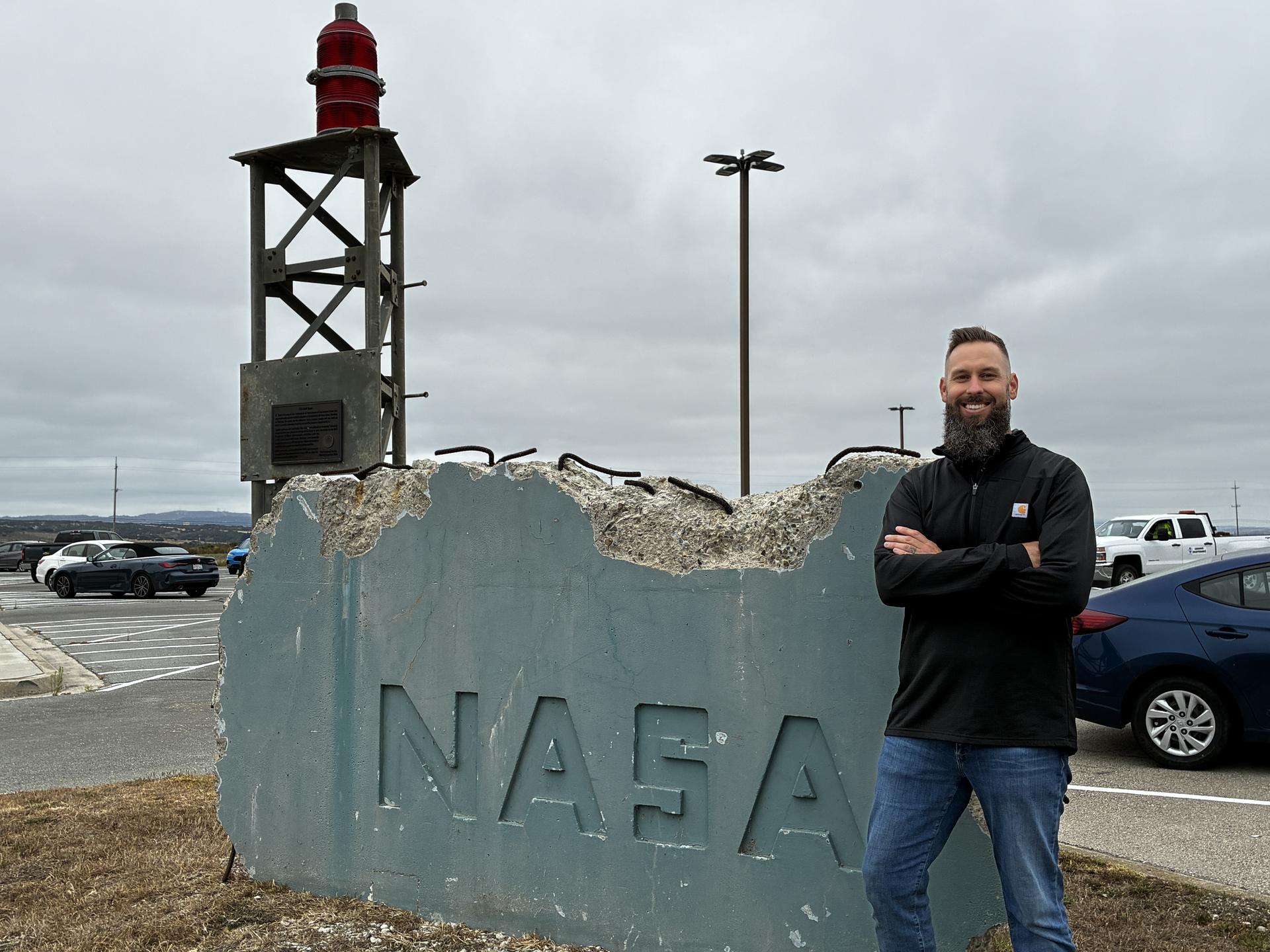
While Fernandez wasn’t planning on making additional changes, a new opportunity presented itself earlier this year. The agency decided to strengthen its core capabilities by bringing mission-critical positions into the civil service.
When he had the opportunity to join the civil service at NASA, Fernandez applied. On June 15, he swore in at Vandenberg bringing his knowledge and experience to the agency, ready to become an official part of a group he already considered family.
“Telemetry is the collection of remote measurements that let us know the rocket is healthy when it’s fueling on the pad, when it’s in flight, and when it’s placing a spacecraft into the proper orbit,” said Fernandez. “It’s our job to make sure decision makers have all the right data to make the right calls in real time. We can’t afford to give them bad data.”
Fernandez’s team has multiple ways of getting the data when a rocket is on the launch pad, including ground data streams and radio frequencies link. Each data path is carefully tested beforehand using tools like bit-error-rate tests, called BERTs, that send pseudo-random patterns to help determine the health of the networks. Once the data is received, the team verifies it using frame sync patterns and word counters, sequenced data embedded in the stream. During ascent, they rely on ground tracking stations and dedicated satellites to relay data. All of it is recorded for posterity and post-flight review. The entire process requires extensive planning, coordination, and constant learning as the industry continues to innovate.
“You’re going to be humbled because the technology is always moving forward, and a new challenge is going to arise,” Fernandez said. “But there’s nothing we haven’t conquered, and there’s not a problem we haven’t figured out yet.”
He credits his teammates. He described his team as “iron sharpening iron.”
Today, Fernandez still lives in Orcutt, seven houses down from where he grew up. His children go to the same schools and play in the same parks he did. He still watches rocket launches, but now he does it with his children when he’s not supporting a launch for the agency.
While he spends his days at work looking ahead to the future, as part of a team that explores the Moon, Mars, and beyond, he hasn’t forgotten where he came from.
“I just wish I could go back and tell little boy Eric, you’re going to love every aspect of working here,” he said. “You’re never going to be bored, because you’ll always be learning new processes and technologies to deliver all these important missions to space.”
Bringing Signals to NASA
Growing up on the central California coast, watching rocket launches with his father was part of Eric Fernandez’s childhood routine. Fernandez had posters of rockets on the wall, but despite being fascinated by them, he never imagined one day this would be his career. Because both of his grandparents had served at Vandenberg Air Force Base (later renamed to Vandenberg Space Force Base), he assumed that the launches from there were for the military. NASA didn’t cross his mind. The space agency seemed very far away from a place like Orcutt, California, a small town situated among rolling hills covered with farms and vineyards.
Fernandez had been part of a painting crew for several years after high school. While it paid the rent, it wasn’t what he wanted to do with his life. However, he found something he enjoyed. He had started at his future father-in-law’s appliance store, working as a technician, repairing and installing appliances. He excelled at the work and planned to stay there with the goal to eventually run the small business.
Then he got a call.
It was from a friend about an opening for something called telemetry. Fernandez wasn’t sure what that meant. He was happy with his current career path. He nearly declined the offer, but after some persuading, he decided to go for the interview at a NASA building on the military base.
“I walked in the telemetry lab, and I see oscilloscopes, screens with squiggly lines, lots of blinking lights, and things I didn’t know about at the time,” Fernandez recounted. “I was very curious about it, so I was asking a million questions as we toured the lab, and they were asking about me. They really liked my background, especially my electronics experience, my troubleshooting skills, and my ability to solder.”
He received an offer for a technician position from a company that provided support to NASA under the Expendable Launch Vehicle Integrated Support, or ELVIS, contract. Fernandez had to make an important decision about his future.
“I prayed about it and met with my father-in-law,” said Fernandez. “I decided to change career paths and start a new career as a contractor working with NASA, supporting its Launch Services Program.”
That was 17 years ago, and he has been working there ever since, advancing to telemetry engineer in 2019. He has contributed to 27 launches for NASA, supporting scientific and robotic exploration missions. He’s also supported hundreds of launches for the U.S. military and commercial sector, as part of the agency’s efforts to work with its partners to understand the capabilities of the commercial rocket fleet.
At Vandenberg Space Force Base in California, NASA employee Eric Fernandez stands by a preserved concrete section from the Space Launch Complex2 Mobile Service Tower counterweight, saved during demolition to retain the NASA insignia. The artifact was part of Delta and Delta II launches for decades before demolition, with its last launch for the agency being NASA’s ICESat2 on Sept. 15, 2018.NASA/Brandon SatterthwaiteWhile Fernandez wasn’t planning on making additional changes, a new opportunity presented itself earlier this year. The agency decided to strengthen its core capabilities by bringing mission-critical positions into the civil service.
When he had the opportunity to join the civil service at NASA, Fernandez applied. On June 15, he swore in at Vandenberg bringing his knowledge and experience to the agency, ready to become an official part of a group he already considered family.
“Telemetry is the collection of remote measurements that let us know the rocket is healthy when it’s fueling on the pad, when it’s in flight, and when it’s placing a spacecraft into the proper orbit,” said Fernandez. “It’s our job to make sure decision makers have all the right data to make the right calls in real time. We can’t afford to give them bad data.”
Fernandez’s team has multiple ways of getting the data when a rocket is on the launch pad, including ground data streams and radio frequencies link. Each data path is carefully tested beforehand using tools like bit-error-rate tests, called BERTs, that send pseudo-random patterns to help determine the health of the networks. Once the data is received, the team verifies it using frame sync patterns and word counters, sequenced data embedded in the stream. During ascent, they rely on ground tracking stations and dedicated satellites to relay data. All of it is recorded for posterity and post-flight review. The entire process requires extensive planning, coordination, and constant learning as the industry continues to innovate.
“You’re going to be humbled because the technology is always moving forward, and a new challenge is going to arise,” Fernandez said. “But there’s nothing we haven’t conquered, and there’s not a problem we haven’t figured out yet.”
He credits his teammates. He described his team as “iron sharpening iron.”
Today, Fernandez still lives in Orcutt, seven houses down from where he grew up. His children go to the same schools and play in the same parks he did. He still watches rocket launches, but now he does it with his children when he’s not supporting a launch for the agency.
While he spends his days at work looking ahead to the future, as part of a team that explores the Moon, Mars, and beyond, he hasn’t forgotten where he came from.
“I just wish I could go back and tell little boy Eric, you’re going to love every aspect of working here,” he said. “You’re never going to be bored, because you’ll always be learning new processes and technologies to deliver all these important missions to space.”
NASA’s PACE Mission Studies Smoke, Fires
3 min read
NASA’s PACE Mission Studies Smoke, FiresWith the North American fire season underway, and a record number of acres already burned nationwide, NASA’s Plankton, Aerosol, Cloud, and ocean Ecosystem (PACE) satellite’s three instruments are observing vegetation precursors to fires, along with plumes of smoke and their movement. This data will help scientists piece together clues that deepen their understanding of wildfires.
“The challenge that we have is to take those clues and use them in a meaningful way, so our models of Earth properly represent what’s happening,” said Kirk Knobelspiesse, a remote sensing scientist working on the PACE mission at NASA’s Goddard Space Flight Center in Greenbelt, Maryland.
Wisps of smoke coming from fires in multiple provinces and territories in Canada travel over the Great Lakes. This image was taken by the Ocean Color Instrument aboard NASA’s PACE satellite on May 31, 2025. NASA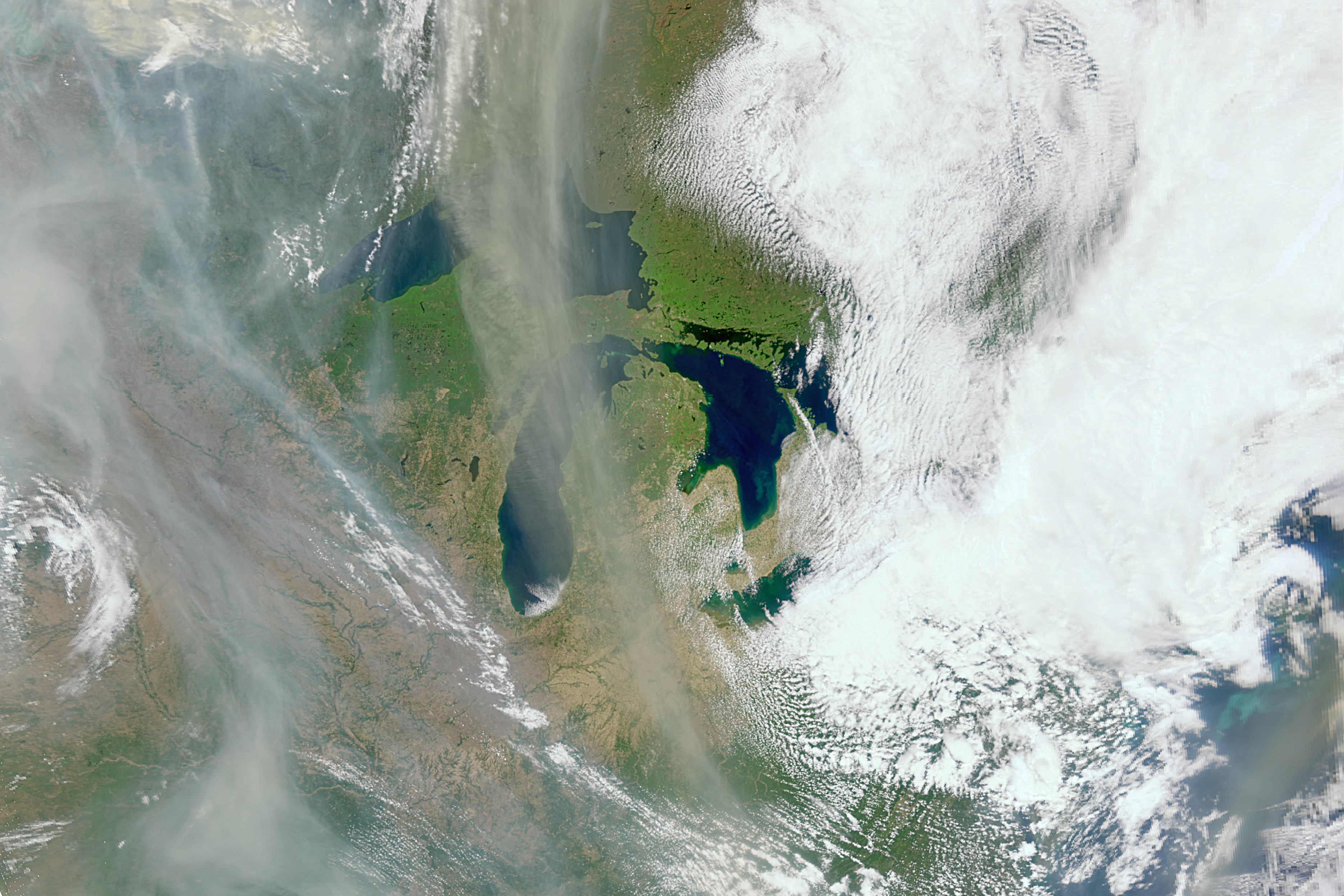
While the satellite, which launched in February 2024, was designed to study Earth’s ocean and atmosphere, it has an unexpected capability: monitoring changes to vegetation. It can also tell us about burn scars, the charred area of land left behind after a wildfire.
“The PACE satellite observes land too, and does it really well,” said Skye Caplan, terrestrial lead for the PACE mission at NASA Goddard. “There is so much to explore with a new hyperspectral data set.”
The Ocean Color Instrument on board PACE is a hyperspectral instrument, observing the planet in several hundred different wavelengths of visible, near infrared, and ultraviolet light. This breadth of the spectrum allows it to gather data on the health of plants, such as their state of stress, dryness, and their relative pigment balance, all of which assist in identifying high fire-risk areas. Land managers can use this data to distribute resources to help mitigate fire risk.
This instrument views the entire Earth daily, with more frequent coverage at high latitudes. With this frequency, on clear days, PACE scientists can quickly assess the aftermath of fires, determining the location and span of a burn scar. Areas that have been burned by wildfire often see increased flood and landslide risk. It’s important to identify these high-risk areas and monitor how they evolve through time, Caplan said.
Using wavelengths in the ultraviolet range, the Ocean Color Instrument can also monitor the smoke after a fire, along with information on how high in the atmosphere these particles drift — height plays a role in how far the particles travel and the systems they impact. The instrument, with its ultraviolet data, expands on fire observations from other satellite instruments, such as the Visible Infrared Imaging Radiometer Suite and the Moderate Resolution Imaging Spectroradiometer.
Thick smoke plumes coming from fires raging in multiple provinces and territories in Canada is visible in this image and affecting a large part of the north of the country. This image was taken by the Ocean Color Instrument aboard NASA’s PACE satellite on Aug. 11, 2024. NASA
The other two instruments on PACE, the Hyper-Angle Rainbow Polarimeter 2 and the Spectro-polarimeter for Planetary Exploration one, are rich with information about the composition of aerosols from vastly different regions, said Andrew Sayer, PACE project science lead for atmospheres from the Ocean Color Instrument at NASA Goddard.
By measuring characteristics of light as it reflects off particles in the atmosphere, these two instruments can determine the quantity of these particles, along with their chemical properties, color, size, and shape. Scientists use this information to differentiate smoke from other particulates. Smoke particulates are typically light absorbing — appearing gray, black, or brown in color — and are small in size compared to other aerosols PACE views, such as pollutants and dust.
Data from PACE will help scientists create more accurate wildfire models and simulate future events, said Knobelspiesse, the satellite’s polarimeter lead. “We’ll be able to then look at different scenarios of emissions in the future and see how smoke that’s created in one location can impact other parts of the Earth system.”
NASA’s Goddard Space Flight Center, Greenbelt, Md.
Share Details Last Updated Jun 26, 2026 Editor Jenny Marder Contact Erica McNamee erica.s.mcnamee@nasa.gov Location Goddard Space Flight Center Related Terms Explore More 4 min read NASA’s PACE Mission Reveals a Year of Terrestrial Data on Plant HealthA lot can change in a year for Earth’s forests and vegetation, as springtime and…
Article
1 year ago
5 min read New NASA Satellite To Unravel Mysteries About Clouds, Aerosols
Some of the same properties of light and optics that make the sky blue and…
Article
3 years ago
5 min read NASA-Funded Study Shows Wildfire Smoke’s Hidden Ozone Toll
Over the last decade, wildfires have worsened ground-level ozone pollution across much of the contiguous…
Article
3 weeks ago
NASA’s PACE Mission Studies Smoke, Fires
3 min read
NASA’s PACE Mission Studies Smoke, FiresWith the North American fire season underway, and a record number of acres already burned nationwide, NASA’s Plankton, Aerosol, Cloud, and ocean Ecosystem (PACE) satellite’s three instruments are observing vegetation precursors to fires, along with plumes of smoke and their movement. This data will help scientists piece together clues that deepen their understanding of wildfires.
“The challenge that we have is to take those clues and use them in a meaningful way, so our models of Earth properly represent what’s happening,” said Kirk Knobelspiesse, a remote sensing scientist working on the PACE mission at NASA’s Goddard Space Flight Center in Greenbelt, Maryland.
Wisps of smoke coming from fires in multiple provinces and territories in Canada travel over the Great Lakes. This image was taken by the Ocean Color Instrument aboard NASA’s PACE satellite on May 31, 2025. NASAWhile the satellite, which launched in February 2024, was designed to study Earth’s ocean and atmosphere, it has an unexpected capability: monitoring changes to vegetation. It can also tell us about burn scars, the charred area of land left behind after a wildfire.
“The PACE satellite observes land too, and does it really well,” said Skye Caplan, terrestrial lead for the PACE mission at NASA Goddard. “There is so much to explore with a new hyperspectral data set.”
The Ocean Color Instrument on board PACE is a hyperspectral instrument, observing the planet in several hundred different wavelengths of visible, near infrared, and ultraviolet light. This breadth of the spectrum allows it to gather data on the health of plants, such as their state of stress, dryness, and their relative pigment balance, all of which assist in identifying high fire-risk areas. Land managers can use this data to distribute resources to help mitigate fire risk.
This instrument views the entire Earth daily, with more frequent coverage at high latitudes. With this frequency, on clear days, PACE scientists can quickly assess the aftermath of fires, determining the location and span of a burn scar. Areas that have been burned by wildfire often see increased flood and landslide risk. It’s important to identify these high-risk areas and monitor how they evolve through time, Caplan said.
Using wavelengths in the ultraviolet range, the Ocean Color Instrument can also monitor the smoke after a fire, along with information on how high in the atmosphere these particles drift — height plays a role in how far the particles travel and the systems they impact. The instrument, with its ultraviolet data, expands on fire observations from other satellite instruments, such as the Visible Infrared Imaging Radiometer Suite and the Moderate Resolution Imaging Spectroradiometer.
Thick smoke plumes coming from fires raging in multiple provinces and territories in Canada is visible in this image and affecting a large part of the north of the country. This image was taken by the Ocean Color Instrument aboard NASA’s PACE satellite on Aug. 11, 2024. NASAThe other two instruments on PACE, the Hyper-Angle Rainbow Polarimeter 2 and the Spectro-polarimeter for Planetary Exploration one, are rich with information about the composition of aerosols from vastly different regions, said Andrew Sayer, PACE project science lead for atmospheres from the Ocean Color Instrument at NASA Goddard.
By measuring characteristics of light as it reflects off particles in the atmosphere, these two instruments can determine the quantity of these particles, along with their chemical properties, color, size, and shape. Scientists use this information to differentiate smoke from other particulates. Smoke particulates are typically light absorbing — appearing gray, black, or brown in color — and are small in size compared to other aerosols PACE views, such as pollutants and dust.
Data from PACE will help scientists create more accurate wildfire models and simulate future events, said Knobelspiesse, the satellite’s polarimeter lead. “We’ll be able to then look at different scenarios of emissions in the future and see how smoke that’s created in one location can impact other parts of the Earth system.”
NASA’s Goddard Space Flight Center, Greenbelt, Md.
Share Details Last Updated Jun 26, 2026 Editor Jenny Marder Contact Erica McNamee erica.s.mcnamee@nasa.gov Location Goddard Space Flight Center Related Terms Explore More 4 min read NASA’s PACE Mission Reveals a Year of Terrestrial Data on Plant HealthA lot can change in a year for Earth’s forests and vegetation, as springtime and…
Article
1 year ago
5 min read New NASA Satellite To Unravel Mysteries About Clouds, Aerosols
Some of the same properties of light and optics that make the sky blue and…
Article
3 years ago
5 min read NASA-Funded Study Shows Wildfire Smoke’s Hidden Ozone Toll
Over the last decade, wildfires have worsened ground-level ozone pollution across much of the contiguous…
Article
3 weeks ago
Hubble Spies Starry Chandelier
- Hubble Home
- Overview
- Impact & Benefits
- Science
- Observatory
- Team
- Multimedia
- News
- More
3 min read
Hubble Spies Starry Chandelier This NASA/ESA Hubble Space Telescope image features the globular cluster NGC 6723, sometimes called the Chandelier Cluster. ESA/Hubble & NASA, A. Sarajedini, G. Piotto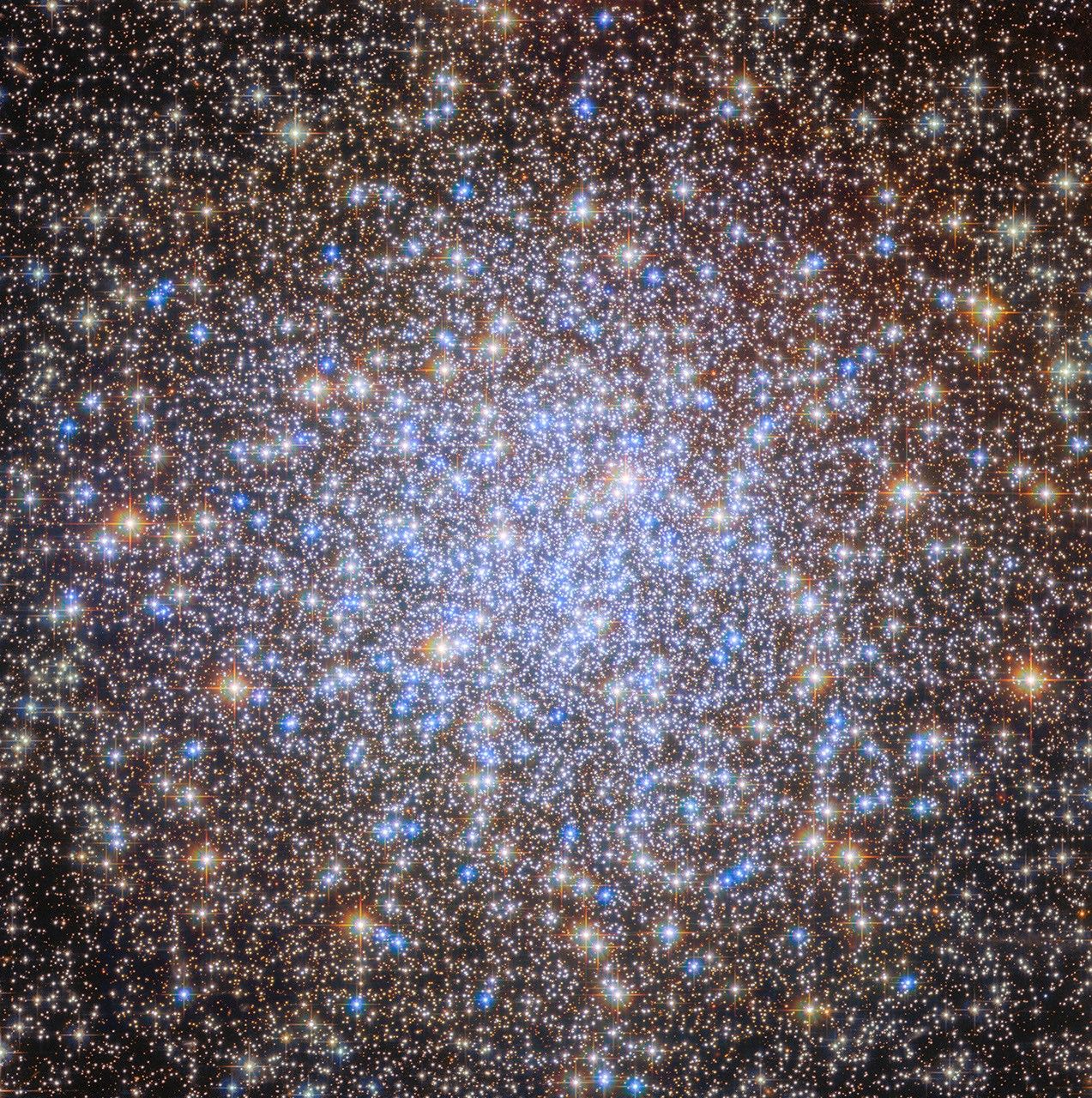
The subject of today’s NASA/ESA Hubble Space Telescope image is an ancient inhabitant of our galaxy. This sparkling scene features a globular cluster: a collection of tens of thousands to millions of stars, all tightly bound together under the influence of gravity. There are more than 150 globular clusters in our galaxy, though there may be others still undiscovered, hidden from view by dust or densely packed fields of stars.
This globular cluster, NGC 6723, sometimes called the Chandelier Cluster, is much like its namesake because it sparkles with countless lights. However, each ‘lightbulb’ in this chandelier is an individual star 27,000 light-years away in the constellation Sagittarius (the Archer).
Globular clusters like NGC 6723 contain some of the oldest stars in our galaxy. These clusters have ages that often exceed 10 billion years old, and some are nearly as old as the universe itself. Astronomers think globular clusters are some of the first structures that formed in our galaxy, coalescing potentially billions of years before the thin disk of stars in which our Sun orbits. The details of how globular clusters formed, however, are not yet certain.
Astronomers initially thought that all stars in a globular cluster formed at the same time in a single flourish of star formation. This would mean that all stars in a globular cluster would be the same age and made of the same mixture of chemical elements. Now, thanks to observations from telescopes like Hubble, researchers know that these seemingly simple stellar populations have more complex histories than originally thought.
Hubble first observed NGC 6723 as part of an ambitious survey dedicated to demystifying the properties of globular clusters in our Milky Way galaxy. In this observing program (#10775, PI: Sarajedini), researchers used Hubble to study 65 globular clusters in our galaxy in visible and near-infrared light. That data allowed researchers to study everything from the ages of globular clusters to the process through which massive stars sink to the center of a star cluster and lower-mass stars drift toward the cluster outskirts. This survey has been immensely scientifically valuable, and these observations have inspired several hundred published research papers.
In a later observing program (#13297, PI: Piotto), researchers set their sights again on many of these same clusters, including NGC 6723. This time, they used Hubble’s unique sensitivity to ultraviolet light to detect the subtle variations in chemical composition between the stars of globular clusters and determine the age spread among the clusters’ stars. For NGC 6723, researchers found evidence of two closely-spaced periods of star formation, the second occurring within 634 million years of the first. (‘Closely-spaced’ is relative; 634 million years is a blink of an eye for a star cluster that is more than 10 billion years old!)
Thanks to these findings, astronomers are on the path to understanding how and when globular clusters formed — and Hubble observations of celestial chandeliers like NGC 6723 are lighting the way.
Text Credit: ESA/Hubble
Facebook logo @NASAHubble @NASAHubble Instagram logo @NASAHubbleMedia Contact:
Claire Andreoli
NASA’s Goddard Space Flight Center, Greenbelt, MD
claire.andreoli@nasa.gov
Since its 1990 launch, the Hubble Space Telescope has changed our fundamental understanding of the universe.
Hubble’s Star Clusters
Hubble e-Books
Hubble’s Cosmic Adventure