
Feed aggregator
La NASA informará sobre su estrategia y misiones para la Base Lunar
Read this news release in English here.
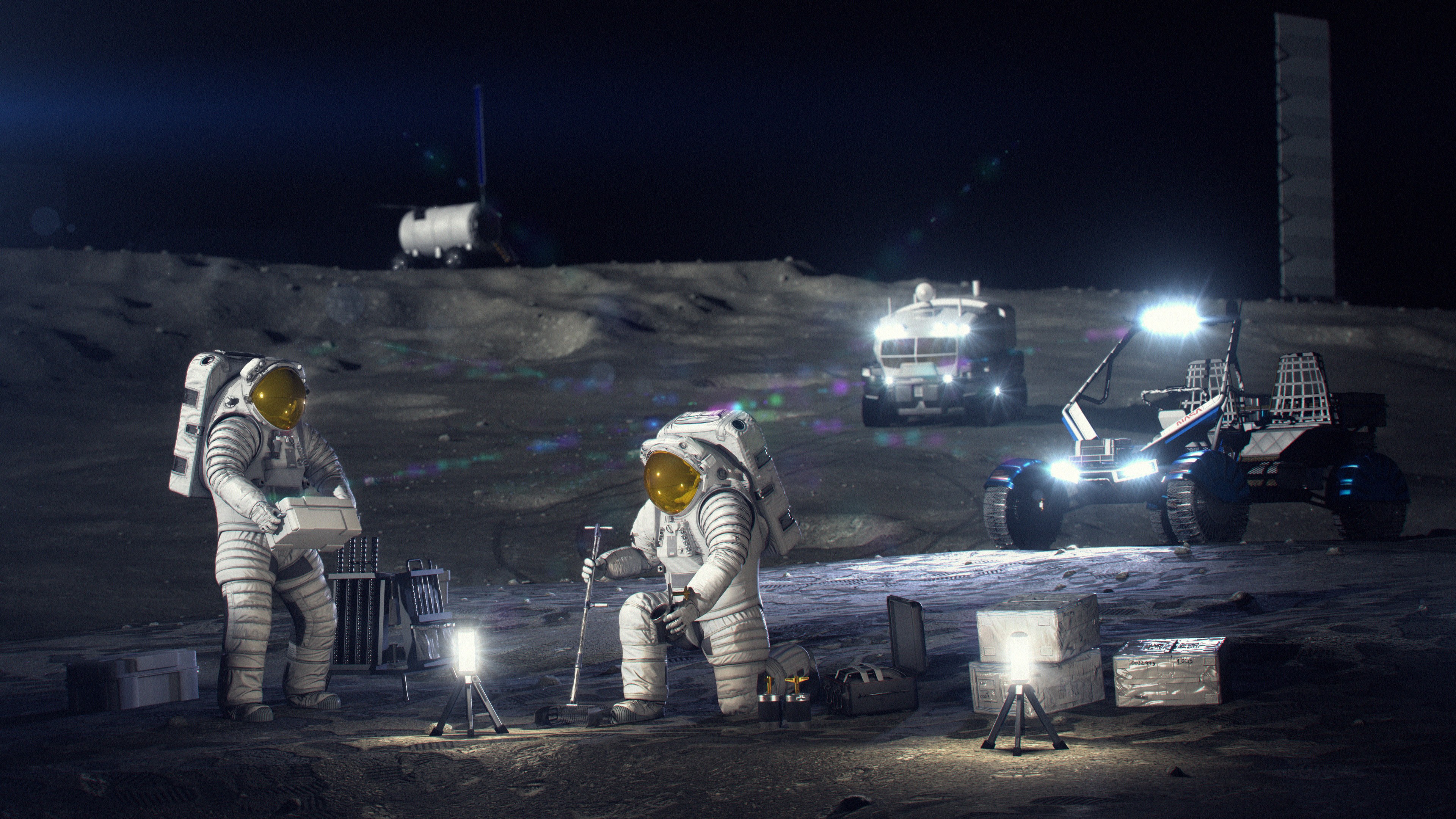
La NASA ofrecerá una conferencia de prensa el martes 26 de mayo a las 2 p.m. EDT (hora del este) para compartir los planes para la Base Lunar y destacar los avances hacia una presencia sostenida en la superficie lunar. La sesión informativa para los medios tendrá lugar en la sede central de la agencia en Washington.
Líderes de la agencia hablarán sobre los avances del programa, incluyendo a los nuevos socios de la industria y los planes de la misión. Una vez finalizada la conferencia de prensa, habrá expertos en la materia disponibles para dar entrevistas individuales.
Siga la rueda de prensa en vivo a través de la aplicación NASA+ y el canal de YouTube de la agencia. Descubra cómo ver el contenido de la NASA en diversas plataformas en línea, incluidas las redes sociales (información ofrecida en inglés).
Entre los participantes se encuentran:
- Jared Isaacman, administrador de la NASA
- Lori Glaze, administradora asociada interina, Dirección de Misiones de Desarrollo de Sistemas de Exploración
- Carlos García-Galán, director del programa Base Lunar. García-Galán es hispanohablante.
Los representantes de los medios que no puedan asistir en persona podrán hacer preguntas por teléfono. Para participar en persona o por teléfono, debe confirmar su asistencia a la oficina de prensa de la sede a más tardar a las 11 a.m. del 26 de mayo, enviando un correo a: hq-media@mail.nasa.gov. La política de acreditación de medios de la NASA está disponible en línea (en inglés). La NASA impulsa el desarrollo de la Base Lunar, una iniciativa de exploración e infraestructura lunar a largo plazo diseñada para permitir una presencia humana sostenida y una mayor actividad científica y comercial en el Polo Sur lunar.
Como parte de una edad de oro de innovación y exploración, la NASA enviará astronautas en misiones cada vez más difíciles para explorar más de la Luna con fines de descubrimiento científico y beneficios económicos, y para continuar sentando las bases para las primeras misiones tripuladas a Marte.
Para más información sobre las misiones de la NASA, visite:
https://www.nasa.gov (inglés)
https://ciencia.nasa.gov/ (español)
-fin-
Bethany Stevens / James Gannon / María José Viñas
Sede central, Washington
+1-202-358-1600
bethany.c.stevens@nasa.gov / james.h.gannon@nasa.gov / maria-jose.vinasgarcia@nasa.gov
La NASA informará sobre su estrategia y misiones para la Base Lunar
Read this news release in English here.
La NASA ofrecerá una conferencia de prensa el martes 26 de mayo a las 2 p.m. EDT (hora del este) para compartir los planes para la Base Lunar y destacar los avances hacia una presencia sostenida en la superficie lunar. La sesión informativa para los medios tendrá lugar en la sede central de la agencia en Washington.
Líderes de la agencia hablarán sobre los avances del programa, incluyendo a los nuevos socios de la industria y los planes de la misión. Una vez finalizada la conferencia de prensa, habrá expertos en la materia disponibles para dar entrevistas individuales.
Siga la rueda de prensa en vivo a través de la aplicación NASA+ y el canal de YouTube de la agencia. Descubra cómo ver el contenido de la NASA en diversas plataformas en línea, incluidas las redes sociales (información ofrecida en inglés).
Entre los participantes se encuentran:
- Jared Isaacman, administrador de la NASA
- Lori Glaze, administradora asociada interina, Dirección de Misiones de Desarrollo de Sistemas de Exploración
- Carlos García-Galán, director del programa Base Lunar. García-Galán es hispanohablante.
Los representantes de los medios que no puedan asistir en persona podrán hacer preguntas por teléfono. Para participar en persona o por teléfono, debe confirmar su asistencia a la oficina de prensa de la sede a más tardar a las 11 a.m. del 26 de mayo, enviando un correo a: hq-media@mail.nasa.gov. La política de acreditación de medios de la NASA está disponible en línea (en inglés). La NASA impulsa el desarrollo de la Base Lunar, una iniciativa de exploración e infraestructura lunar a largo plazo diseñada para permitir una presencia humana sostenida y una mayor actividad científica y comercial en el Polo Sur lunar.
Como parte de una edad de oro de innovación y exploración, la NASA enviará astronautas en misiones cada vez más difíciles para explorar más de la Luna con fines de descubrimiento científico y beneficios económicos, y para continuar sentando las bases para las primeras misiones tripuladas a Marte.
Para más información sobre las misiones de la NASA, visite:
https://www.nasa.gov (inglés)
https://ciencia.nasa.gov/ (español)
-fin-
Bethany Stevens / James Gannon / María José Viñas
Sede central, Washington
+1-202-358-1600
bethany.c.stevens@nasa.gov / james.h.gannon@nasa.gov / maria-jose.vinasgarcia@nasa.gov
NASA TechLeap Prize: Robotically Manipulated Payload Challenge
The Robotically Manipulated Payload Challenge — the fifth in the NASA TechLeap Prize series — is a competition to advance persistent infrastructure for in-space servicing, assembly, and manufacturing. NASA Flight Opportunities invites applicants to propose a payload that can be manipulated by a robotic arm in low Earth orbit. Up to three winners will each receive up to $500,000 to develop a flight-ready payload. In addition, NASA intends to provide an opportunity for the winning teams to demonstrate their payload in orbit (at no additional cost). These TechLeap payloads will fly aboard an orbital spacecraft that will rendezvous with the Fly Foundational Robots (FFR) platform. The FFR mission is expected to launch in late 2027, and the TechLeap payloads are slated to launch in early 2028.
Across three phases, applicants will move from ideation to payload build over 12 months. The timeline for this challenge is intentionally rapid, with the goal of increasing the pace of space.
Award: Up to three winners may receive up to $500,000 in prizes across three phases
Challenge Open Date: May 20, 2026
Phase 1 Registration Close Date: July 29, 2026
Application Close Date: August 12, 2026
For more information, visit: https://rmpc.nasatechleap.org/
NASA TechLeap Prize: Robotically Manipulated Payload Challenge
The Robotically Manipulated Payload Challenge — the fifth in the NASA TechLeap Prize series — is a competition to advance persistent infrastructure for in-space servicing, assembly, and manufacturing. NASA Flight Opportunities invites applicants to propose a payload that can be manipulated by a robotic arm in low Earth orbit. Up to three winners will each receive up to $500,000 to develop a flight-ready payload. In addition, NASA intends to provide an opportunity for the winning teams to demonstrate their payload in orbit (at no additional cost). These TechLeap payloads will fly aboard an orbital spacecraft that will rendezvous with the Fly Foundational Robots (FFR) platform. The FFR mission is expected to launch in late 2027, and the TechLeap payloads are slated to launch in early 2028.
Across three phases, applicants will move from ideation to payload build over 12 months. The timeline for this challenge is intentionally rapid, with the goal of increasing the pace of space.
Award: Up to three winners may receive up to $500,000 in prizes across three phases
Challenge Open Date: May 20, 2026
Phase 1 Registration Close Date: July 29, 2026
Application Close Date: August 12, 2026
For more information, visit: https://rmpc.nasatechleap.org/
Women’s body temperature rises from age 18 to 42 but we don’t know why
Women’s body temperature rises from age 18 to 42 but we don’t know why
The mysterious reason why women get hotter from age 18 to 42
The mysterious reason why women get hotter from age 18 to 42
A New Study on Coronal Holes Improves Space Weather Forecasting
New Mexico State University (NMSU) astronomy graduate student Khagendra Katuwal studied 70 coronal holes on the sun to better understand the connection between solar activity and space weather. His paper was recently published in The Astrophysical Journal.
It Looks Like Europa Doesn't Have Plumes of Water Vapour After All
In 2014, researchers presented the discovery of water vapour plumes being emitted from Jupiter's moon Europa. This caused quite a stir; it meant that the moon's buried ocean was accessible without contending with the thick ice shell that concealed it. But new research by the same researchers questions those detections.