
Feed aggregator
NASA’s SpaceX CRS-34 Dragon Returns Packed with Space Station Science
Scientists await a big splash in the Pacific Ocean as one of the most research-packed Dragon spacecraft to date returns, completing the 34th SpaceX commercial resupply mission to the International Space Station for NASA. Biological and materials samples, along with tested hardware, are heading back to research teams on Earth for further analysis, advancing NASA’s work to prepare humans for exploration beyond low Earth orbit and to deliver benefits back home.
Tiny cells, huge health insights NASA astronaut Jessica Meir prepares samples in the Life Sciences Glovebox to study how weightlessness affects crew blood clotting and immune function for the Megakaryocyte Flying-One investigation.NASA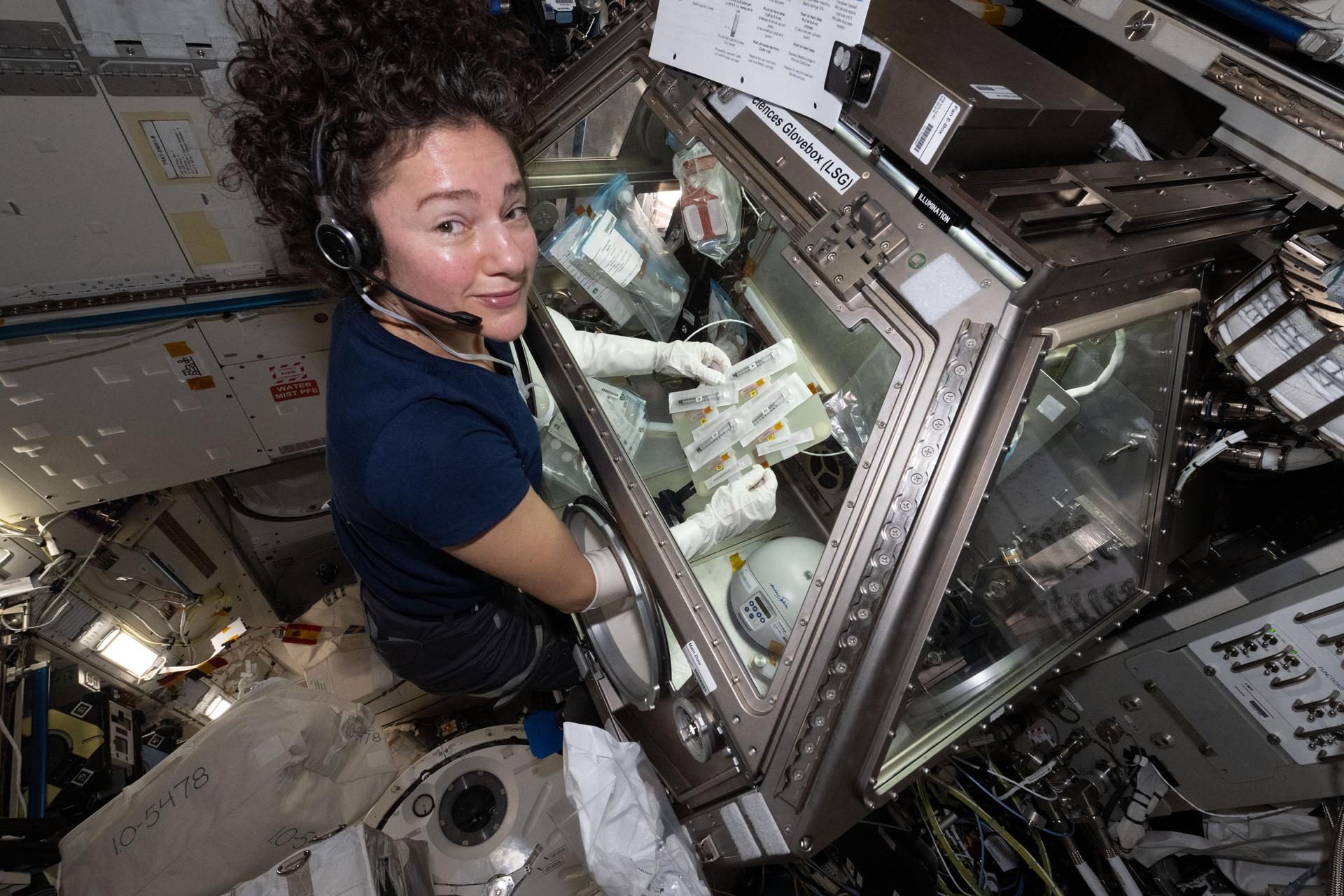
Some samples returning are for NASA’s Hematopoietic Stem Cell Expansion in Space: Pathfinder Investigation (InSPA-StemCellEX-H2), which seeks to use the microgravity environment to scale up the production of stems cells. On Earth, lab-produced blood stem cells lose their ability to form different cell types, like red and white blood cells that are critical to treating patients with certain blood diseases and cancers. In microgravity, researchers believe this ability will be better preserved while also growing these stem cells in greater numbers. The returning samples will undergo further analysis to determine if space-based efforts produce larger quantities of enhanced stem cells suitable for clinical use.
The team behind NASA’s Streptococcus pneumoniae (Spn) Infection of Cardiac Tissue (MVP Cell-09) experiment is awaiting the return of stem cell-derived heart tissues that were intentionally infected with a pneumonia-causing bacterium as part of ongoing microgravity research. Pneumonia increases the risk of heart disease, which is not fully understood. Because bacteria tend to become more active and virulent in microgravity, this experiment could amplify their effects, making it possible to detect cellular responses that cannot be observed on Earth.
NASA’s Megakaryocyte Flying-One (MeF1) samples are returning to Earth to help understand how large cells found in bone marrow, known as megakaryocytes, and the platelets they produce adapt to spaceflight. Megakaryocytes and platelets play important roles in the formation of blood clots and immune responses. The returning samples, including those taken from astronauts, could show us how the human immune system reacts aboard the space station and help prepare for future exploration missions.
Driving design enhancements NASA astronaut Mike Fincke and JAXA (Japan Aerospace Exploration Agency) astronaut Kimiya Yui work on hardware for the Zero Boil-Off Tank investigation.NASA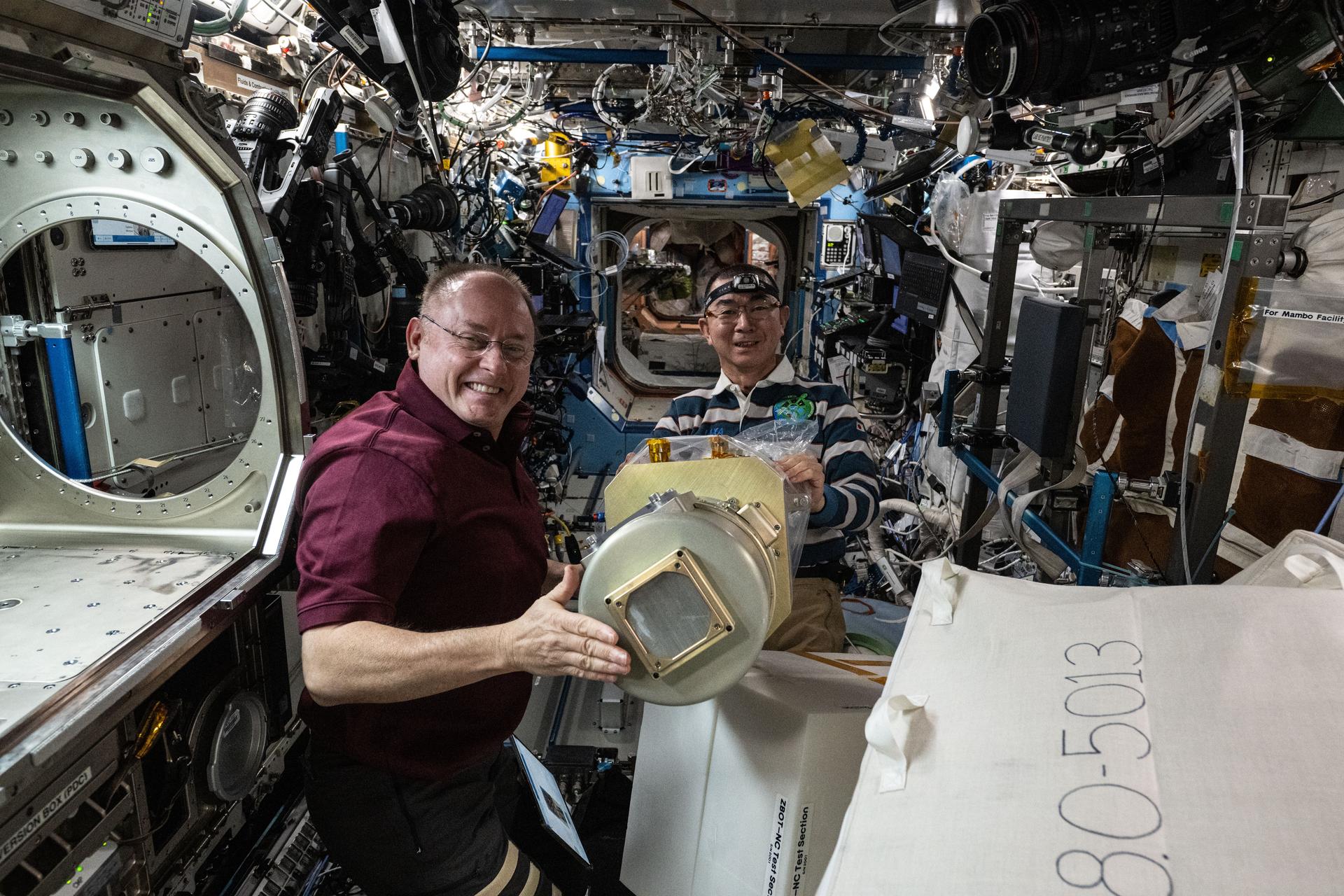
Many spacecraft use cryogenic fuels for propulsion, but temperature swings in space can cause these extremely cold fuels to slowly evaporate and escape their tank, reducing fuel efficiency and complicating mission planning. NASA’s Zero Boil-Off Tank Noncondensables (ZBOT-NC) investigation aboard station studies how gases that do not condense into liquids at cold temperatures affect pressure control and fluid behaviors in propellant tanks. Hardware returning aboard Dragon, including drives containing fluid-physics data, could help validate models and contribute to the design of more efficient cryogenic fuel storage systems for long-duration missions.
Semiconductor research samples as part of NASA’s In-Space Production of Semimetal-Semiconductor Composite Bulk Crystals in Microgravity (SUBSA-InSPA-SSCug) investigation are returning to Earth for further analysis. This study manufactured semimetal-semiconductor composite alloy crystals in space, which have applications in many electronics, including sensors and lasers. Researchers believe microgravity could enable the production of significantly greater and higher-quality crystals, supporting the development of next-generation semiconductor technologies.
Innovative medical research mix Stem cells grown along a DNA-inspired nanomaterial on space station as part of DNA Nano Therapeutics-Mission 2, a percussor to DNA Nano Therapeutics-3.University of Connecticut
NASA’s DNA Nano Therapeutics-3 research team will receive tiny, space-assembled DNA-inspired materials that are combined with medicines to create active cancer treatments. Producing these treatments in microgravity can improve how well they perform in the body. This research could improve patient outcomes by helping therapies reach tumors more effectively, stay in the body longer, and improve medicine release.
Tissue models of the brain, heart, liver, and kidney that were tested with novel RNA-based medicines as part of NASA’s InSPA-Sachi Nanoligomer investigation are also returning. Microgravity can accelerate aging and disease processes, giving researchers a unique environment to better observe how well these new drugs work on different organs ahead of clinical trials.
The left image shows various wood-derived products of different shapes, and the right image shows a sample of this same material in a laboratory setting on Earth. These products may have applications in the medical field by providing scaffolding for patients with fragile bones.GreenBone Ortho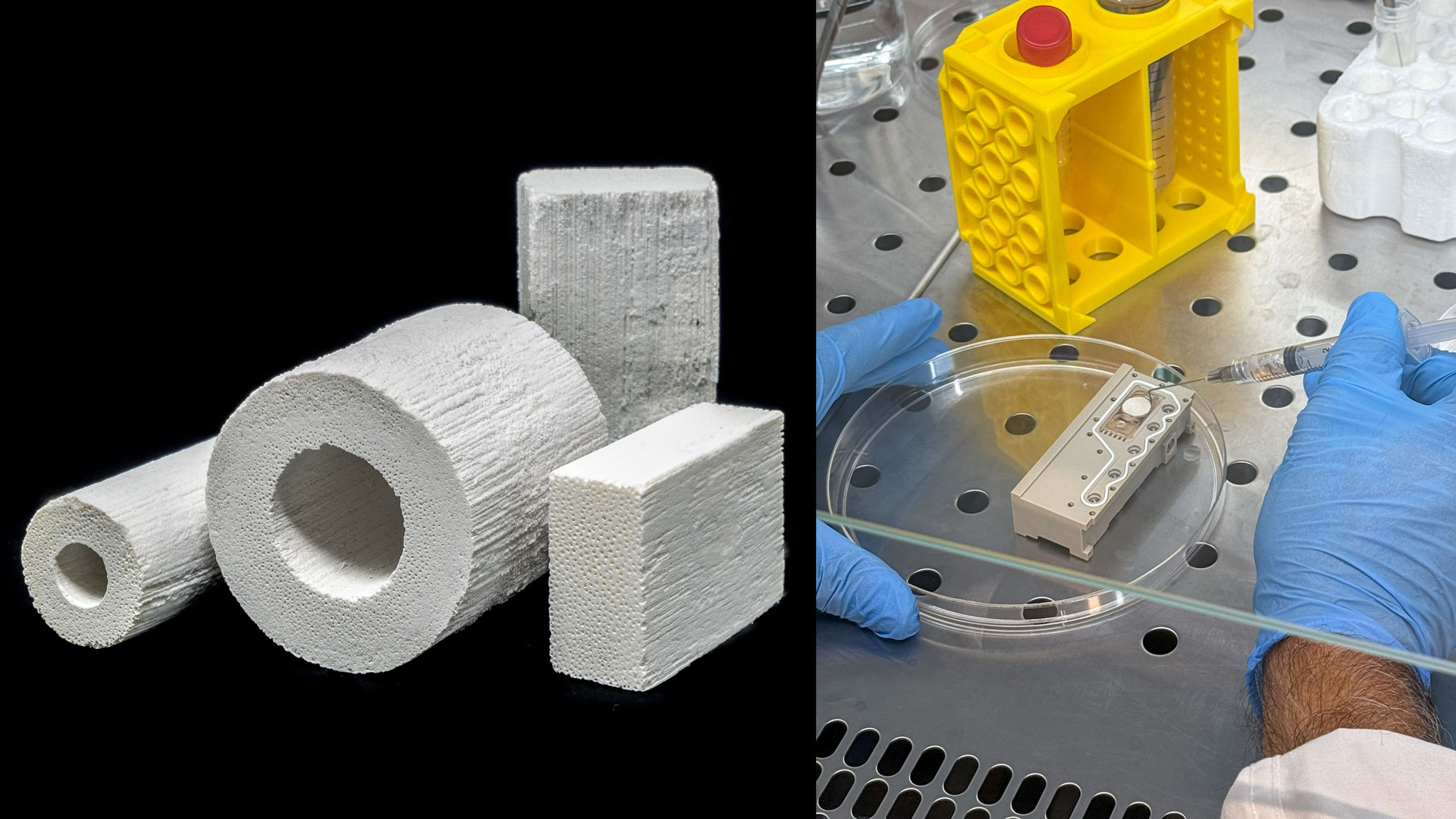
Samples from ESA’s (European Space Agency) Green Bone investigation are returning to Earth to help understand how bone cells grow and develop on a new scaffold made from wood. Designed to mimic real bone, this scaffold was tested in microgravity to understand its ability to heal defects and fractures. Because living in microgravity simulates conditions like osteoporosis, a skeletal disorder which affects millions of people worldwide, the results could help treat patients with these fragile bone conditions.
NASA’s 3D Bone Marrow Analog research team will analyze the returning 3D-printed tissues that mimic parts of the bone marrow. Spaceflight can cause aging-like changes, including bone and muscle loss. To investigate potential countermeasures, these tissue models were exposed to small vibrations aboard the space station to simulate exercise. After the samples return to Earth, researchers will measure bone-like mineral formations and observe cellular and genetic changes. Findings from this investigation could help develop new strategies to maintain astronaut bone and muscle health during future long-duration missions.
In the United States, more than 900,000 knee cartilage injuries occur annually, with many requiring surgery. NASA’s InSPA-Auxilium Bioprinter-Cell Printing is investigating how to treat these injuries and is returning 3D-printed cartilage tissue samples from space station. This investigation uses the orbiting laboratory’s unique microgravity environment to bioprint cartilage tissues with more evenly distributed cells compared to those printed on Earth. The results could help produce higher-quality cartilage prints to treat joint injuries.
Keep Exploring Discover More Topics From NASALatest News from Space Station Research
International Space Station
Humans In Space
Space Station Research Results
Frontiers Forum Speaker Series
2 min read
Preparations for Next Moonwalk Simulations Underway (and Underwater) Aya Collins, director of the engagement division of NASA’s Office of Communications, moderates a discussion with, from left to right, NASA astronauts Zena Cardman, Mike Fincke, and JAXA (Japan Aerospace Exploration Agency) astronaut Kimiya Yui, Monday, June 1, 2026 at the Mary W. Jackson NASA Headquarters building in Washington. Fincke, Cardman, and Yui served as part of Expeditions 73 and 74 onboard the International Space Station.NASA/Aubrey Gemignani Voices Shaping the Future of Space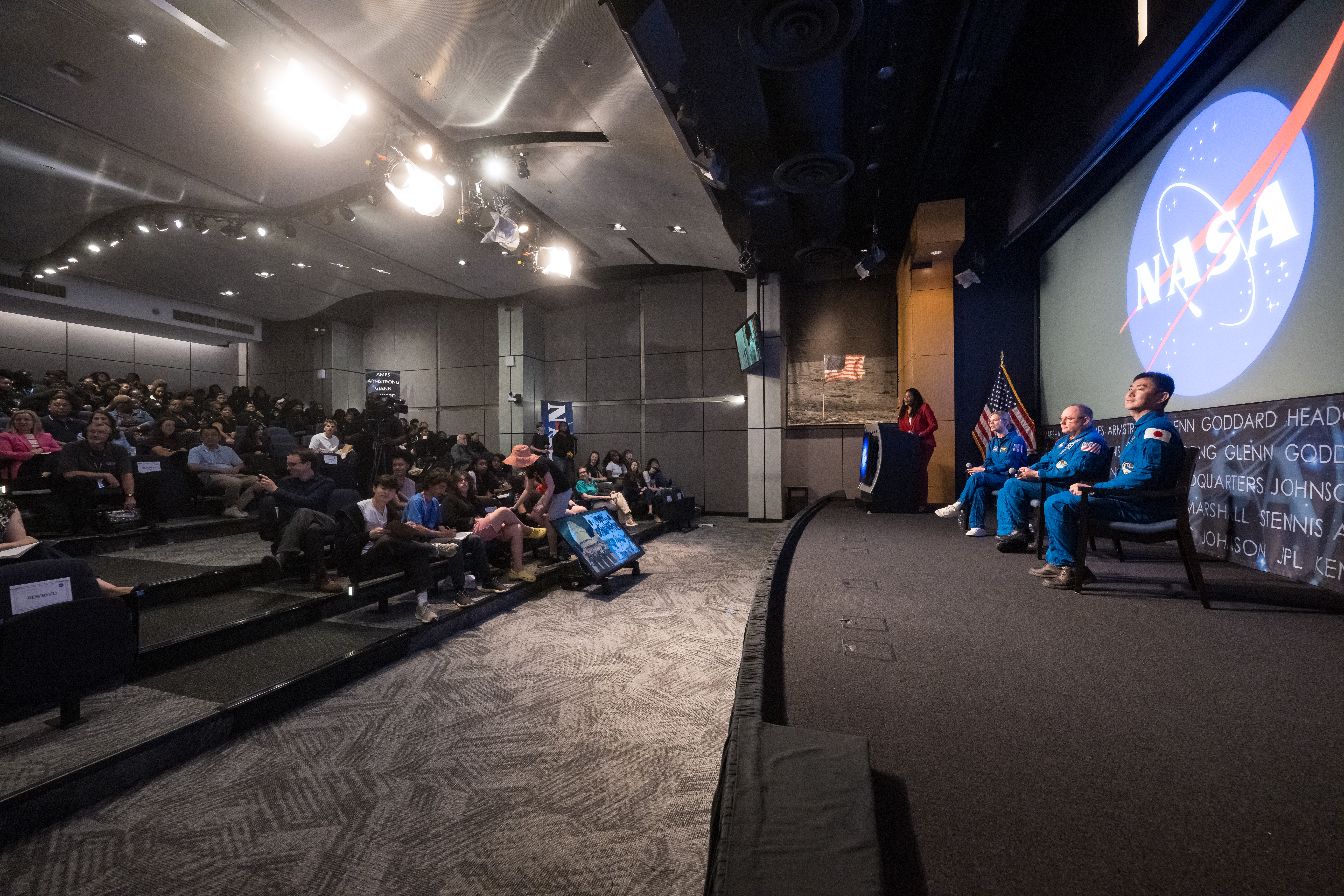
Members of the public are invited to join some of NASA’s brightest minds as they discuss agency missions and current topics in aerospace technology, science, and innovation. Each event will feature NASA experts, and the series will cover a range of topics including our search for life within the universe, the Moon Base, airplanes of the future, and the impact of artificial intelligence on education and the technological workforce.
There is no cost to attend, and preregistration is not required. Seating is limited and available on a first -come, first-served basis.
For all series events, the location is the Webb Auditorium within NASA Headquarters located at 300 Hidden Figures Way SW, Washington, D.C.
Event Schedule & Speakers (all times Eastern) Thursday, June 18 | 11-11:30 a.m.- AVATAR – (A Virtual Astronaut Tissue Analog Response) Flies Around the Moon
- Featured Speaker: Dr. Lisa Carnell, director, Biological and Physical Sciences Division
- Eclipse Science – How NASA Uses Total Solar Eclipses for Science
- Featured Speakers: Nicki Rayl, deputy division director, Heliophysics Division, and Dr. Kelly Korreck, program scientist, Heliophysics Division
- NASA’s Bold Horizon: Internships, NASA Force, and Your Role in History
- Featured Speakers: Kelly Elliott, chief human capital officer, and Daniel Costello, director, Human Capital Office, NASA’s Johnson Space Center
- Speaker Spotlight with Dr. Lori Glaze, acting associate administrator, Exploration Systems Development Mission Directorate
- Speaker Spotlight with Elaine Ho, associate administrator, NASA Office of STEM Engagement
- Future of Flight and the Airplanes of Tomorrow
- Other Worlds: The Search for Life in the Universe
- Featured Speakers: Dr. Joshua Pepper, program scientist, Astrophysics Division, and Dr. Hannah Jang-Condell, program scientist, Exoplanet Mass Measurement
- Moving Faster Toward the Future of Astrophysics
- Featured Speaker: Dr. Jessica Gaskin, research astrophysicist, NASA’s Marshall Space Flight Center
- Space Weather: Overview of astronaut safety and Earth-based end user implications
To ask questions about the Frontiers Forum Speaker Series, email: hq-ocommevents@mail.nasa.gov.
Visit NASA HeadquartersHas the answer to life's origins been hiding in our cells all along?
Has the answer to life's origins been hiding in our cells all along?
Sperm have been made magnetic to allow IVF inside the body
Sperm have been made magnetic to allow IVF inside the body
The social media ban is an experiment – here’s how it will be studied
The social media ban is an experiment – here’s how it will be studied
See Venus Disappear in Broad Daylight on June 17th
On June 17th, much of North America can watch the Moon occult Venus in the daytime sky. All you need are binoculars.
The post See Venus Disappear in Broad Daylight on June 17th appeared first on Sky & Telescope.
NASA Astronaut Anil Menon Available for Prelaunch Virtual Interviews
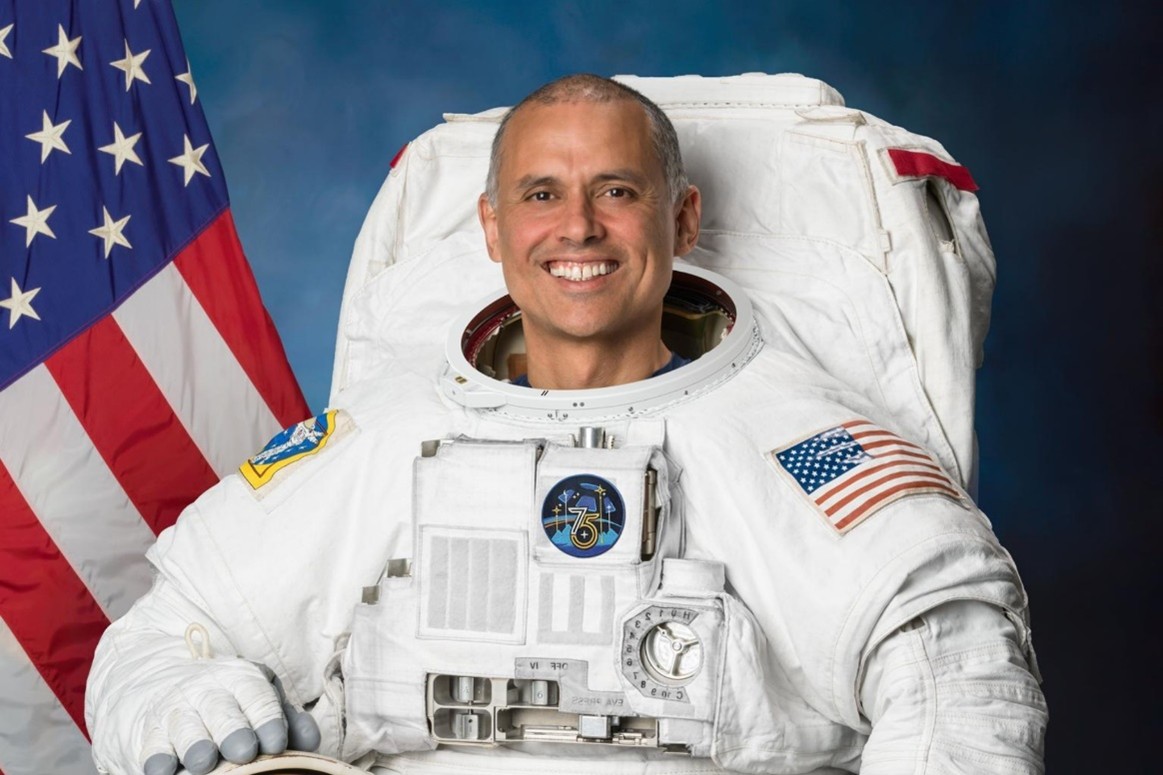
NASA astronaut Anil Menon will be available for limited media interviews beginning at 9 a.m. EDT Monday, June 22, to discuss his upcoming mission to the International Space Station as part of Expeditions 74/75.
The virtual interviews will take place from the Gagarin Cosmonaut Training Center in Star City, Russia, and will stream live on the agency’s YouTube channel.
Media interested in participating must submit a request to the newsroom at NASA’s Johnson Space Center in Houston no later than 5 p.m. Wednesday, June 17, by emailing jsccommu@mail.nasa.gov. A copy of NASA’s media accreditation policy is online.
Menon is scheduled to launch to the space station Tuesday, July 14, from the Baikonur Cosmodrome in Kazakhstan aboard the Roscosmos Soyuz MS-29 spacecraft with Roscosmos cosmonauts Pyotr Dubrov and Anna Kikina. The trio will spend about eight months aboard the orbiting laboratory before returning to Earth in spring 2027.
During his expedition, Menon will conduct scientific investigations and technology demonstrations to help humans prepare for future exploration missions to the Moon and Mars, and to provide benefits on Earth. Among the hundreds of experiments planned during his mission, he will participate in studies to better understand astronaut vein structure, blood flow, and blood composition in microgravity. He also will test producing intravenous fluids using the space station’s potable water.
The Soyuz MS-29 mission will be his first spaceflight after he was selected as part of NASA’s 2021 astronaut class. A native of Minneapolis, Menon is an emergency medicine physician, mechanical engineer, and colonel in the United States Space Force. He also has served as an expedition flight surgeon supporting the agency’s crew members aboard the space station.
For more than 25 years, people have lived and worked continuously aboard the International Space Station, advancing scientific knowledge and making research breakthroughs not possible on Earth. The space station helps NASA understand and overcome the challenges of human spaceflight, expand commercial opportunities in low Earth orbit, and build on the foundation for long-duration missions to the Moon, as part of the Artemis program, and to Mars.
To learn more about International Space Station research, operations, and its crews, visit:
-end-
Jimi Russell
Headquarters, Washington
202-358-1100
james.j.russell@nasa.gov
Anna Schneider / Mary Pfister
Johnson Space Center, Houston
281-483-5111
anna.c.schneider@nasa.gov / mary.m.pfister@nasa.gov
NASA Astronaut Anil Menon Available for Prelaunch Virtual Interviews
NASA astronaut Anil Menon will be available for limited media interviews beginning at 9 a.m. EDT Monday, June 22, to discuss his upcoming mission to the International Space Station as part of Expeditions 74/75.
The virtual interviews will take place from the Gagarin Cosmonaut Training Center in Star City, Russia, and will stream live on the agency’s YouTube channel.
Media interested in participating must submit a request to the newsroom at NASA’s Johnson Space Center in Houston no later than 5 p.m. Wednesday, June 17, by emailing jsccommu@mail.nasa.gov. A copy of NASA’s media accreditation policy is online.
Menon is scheduled to launch to the space station Tuesday, July 14, from the Baikonur Cosmodrome in Kazakhstan aboard the Roscosmos Soyuz MS-29 spacecraft with Roscosmos cosmonauts Pyotr Dubrov and Anna Kikina. The trio will spend about eight months aboard the orbiting laboratory before returning to Earth in spring 2027.
During his expedition, Menon will conduct scientific investigations and technology demonstrations to help humans prepare for future exploration missions to the Moon and Mars, and to provide benefits on Earth. Among the hundreds of experiments planned during his mission, he will participate in studies to better understand astronaut vein structure, blood flow, and blood composition in microgravity. He also will test producing intravenous fluids using the space station’s potable water.
The Soyuz MS-29 mission will be his first spaceflight after he was selected as part of NASA’s 2021 astronaut class. A native of Minneapolis, Menon is an emergency medicine physician, mechanical engineer, and colonel in the United States Space Force. He also has served as an expedition flight surgeon supporting the agency’s crew members aboard the space station.
For more than 25 years, people have lived and worked continuously aboard the International Space Station, advancing scientific knowledge and making research breakthroughs not possible on Earth. The space station helps NASA understand and overcome the challenges of human spaceflight, expand commercial opportunities in low Earth orbit, and build on the foundation for long-duration missions to the Moon, as part of the Artemis program, and to Mars.
To learn more about International Space Station research, operations, and its crews, visit:
-end-
Jimi Russell
Headquarters, Washington
202-358-1100
james.j.russell@nasa.gov
Anna Schneider / Mary Pfister
Johnson Space Center, Houston
281-483-5111
anna.c.schneider@nasa.gov / mary.m.pfister@nasa.gov
Inside the start-up aiming for a giant leap in robot intelligence
Inside the start-up aiming for a giant leap in robot intelligence
San Francisco's Patchwork Streets
San Francisco’s Patchwork Streets
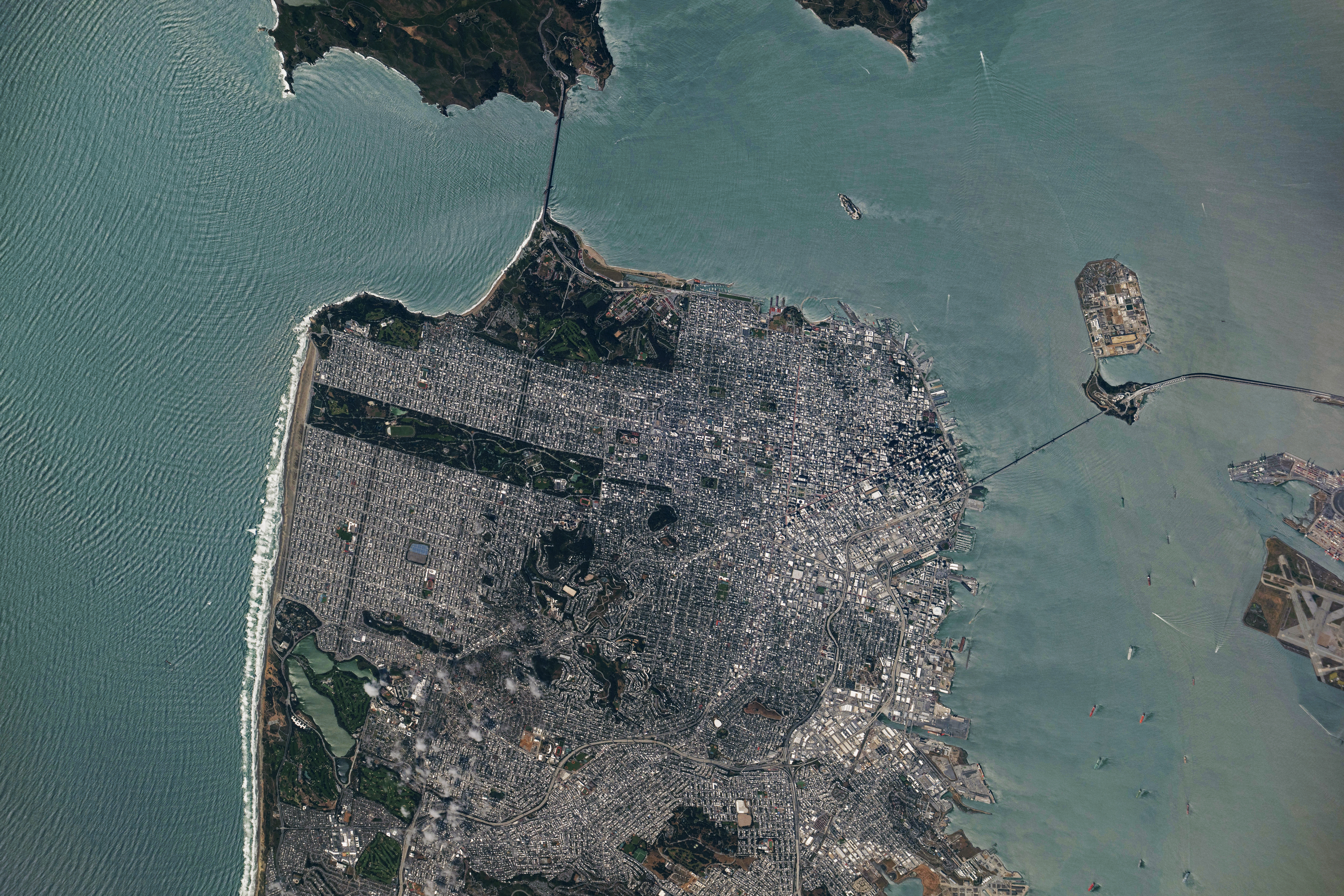
An astronaut aboard the International Space Station took this picture of downtown San Francisco and nearby communities on May 27, 2026. The image captures two of the region’s iconic bridges. The Golden Gate Bridge connects the northern San Francisco Peninsula with Marin County to the north, while the San Francisco-Oakland Bay Bridge spans the bay toward Oakland to the east.
Read more about this photograph on Earth Observatory.
Text credit: Kathryn Hansen
Image credit: NASA
San Francisco’s Patchwork Streets
An astronaut aboard the International Space Station took this picture of downtown San Francisco and nearby communities on May 27, 2026. The image captures two of the region’s iconic bridges. The Golden Gate Bridge connects the northern San Francisco Peninsula with Marin County to the north, while the San Francisco-Oakland Bay Bridge spans the bay toward Oakland to the east.
Read more about this photograph on Earth Observatory.
Text credit: Kathryn Hansen
Image credit: NASA
Experience the Launch of NASA’s Roman Space Telescope
Are you ready for a new view of the universe? The Nancy Grace Roman Space Telescope will reveal distant worlds, dark energy, and the structure of the cosmos, and we want you to be a part of it!
Digital creators and social media users are invited to register to our NASA Social for the Nancy Grace Roman Space Telescope launch. Roman is NASA’s next flagship astrophysics mission, designed to explore everything from our outer solar system to the edge of the observable universe. This mission is scheduled to launch on Aug. 30, 2026, aboard a SpaceX Falcon Heavy rocket from Launch Complex 39A at NASA’s Kennedy Space Center in Florida.
Are you passionate about social media and communications? Do you love to create content for an audience? Are you a fan of new, unique experiences? If you said yes, this NASA Social event is for you! This is your opportunity to be on the front lines of this historic mission.
The NASA Social event will take place over two days, including the day of launch. A maximum of 50 digital creators will be selected to attend this two-day event and will be given access similar to news media.
NASA Social participants will have the opportunity to:
- Tour NASA’s Kennedy Space Center
- Learn directly from astrophysics subject matter experts
- Meet fellow digital creators and social media users
- Spend time with members of NASA’s social media team
- View the launch of the Nancy Grace Roman Space Telescope
NASA Social events are intended for members of the public. Current or former NASA civil servants, NASA contractors, NASA interns, and individuals or organizations currently under contract to provide products or services to NASA are not eligible to apply or participate in NASA Social events.
NASA Social registration for the Roman launch opens on this page on Monday, June 15 and the deadline to apply is at 11:59 p.m. EDT on Sunday, June 28. All applications will be considered on a case-by-case basis.
Do I need to have a social media account to register?
Yes. This event is designed for people who:
- Actively use multiple social networking platforms and tools to disseminate information to a unique audience.
- Regularly produce new content that features multimedia elements.
- Have the potential to reach a large number of people using digital platforms.
- Reach a unique audience, separate and distinctive from traditional news media and/or NASA audiences.
- Must have an established history of posting content on social media platforms.
- Have previous postings that are highly visible, respected, and widely recognized.
Users are encouraged to follow @NASARoman for Roman updates on X, Facebook, and @NASAGoddard and @NASAUniverse on Instagram. Updates and information about the event will be shared on X via @NASA_Events
How do I register?
Registration for this event opens Monday, June 15 and closes at 11:59 p.m. EDT on Sunday, June 28. Registration is for one person only (you) and is non-transferable. Each individual wishing to attend must register separately. Each application will be considered on a case-by-case basis.
Can I register if I am not a U.S. citizen?
Yes, this event is open for all to apply.
When will I know if I am selected?
After registrations have been received and processed, an email with confirmation information and additional instructions will be sent to those selected. We expect to send the first notifications on July 17 and waitlist notifications on July 22.
What are NASA Social credentials?
All NASA social applications will be considered on a case-by-case basis. Those chosen must prove through the registration process they meet specific engagement criteria.
If you do not make the registration list for this NASA Social, you still can attend the launch off site and participate in the conversation online. Find out about ways to experience a launch at https://www.nasa.gov/kennedy/see-a-launch-up-close/.
What are the registration requirements?
Registration indicates your intent to travel to NASA Kennedy and attend the two-day event in person. You are responsible for your own expenses for travel, accommodation, food, and other amenities.
The schedule of events and special guest appearances are subject to change without notice. NASA is not responsible for loss or damage incurred as a result of attending. NASA, moreover, is not responsible for loss or damage incurred if the event is canceled with limited or no notice. Please plan accordingly.
Kennedy is a government facility. Those who are selected may need to complete additional steps to receive clearance to enter the secure areas.
IMPORTANT: Those without proper identification cannot be admitted.
For United States Citizens:
You will be required to present a REAL ID compliant identification or valid U.S. passport PLUS one of the following:
Acceptable documents to accompany federal or state identification:
- U.S. Passport
- Unexpired Employment Authorization Card (Form I-688A)
- Unexpired Employment Authorization Document issued by DHS that contains a photograph (Form I-688B)
- Driver’s license or ID card issued by a state or outlying possession of the United States provided it contains a photograph or information such as name, date of birth, gender, height, eye color, and address
- ID card issued by federal, state, or local government agencies or entities, provided it contains a photograph or information such as name, date of birth, gender, height, eye color, and address
- School ID card with a photograph
- Voter’s Registration Card
- Military Dependent’s ID Card
- U.S. Military card or draft record
- U.S. Coast Guard Merchant Mariner Card
- Native American Tribal Document
- U.S. Social Security Card issued by the Social Security Administration (other than a card stating it is not valid for employment)
- Original or Certified copy of birth certificate issued by a state, county, municipal authority, or outlying possessions of the United States bearing an official seal
- U.S. Citizen ID Card (Form I-197)
- ID Card for use of Resident Citizens of the United States (Form I-179)
- Unexpired employment authorization document issued by DHS (other than those listed previously)
For Foreign Nationals:
- Same items required of U.S. Citizens (SSN only when applicable)
- Unexpired foreign passport, with I-551 stamp or attached Form I-94 indicating unexpired employment authorization
- Passport number and registration date
- Citizenship
- Driver’s license issued by a Canadian Government authority
For Legal Resident Aliens:
- Same items required of U.S. Citizens, and:
- Permanent Resident Card or Alien Registration Receipt Card with photograph (Form I-551)
- Unexpired Temporary Resident Card (Form I-688)
- Certification of Birth Abroad issued by the Department of State (Form FS-545 or Form DS-1350)
The REAL ID Act was passed by Congress in 2005 to establish minimum security standards for state-issued driver’s licenses and identification cards.
All registrants must be at least 18 years old.
What if the launch date changes?
Hundreds of different factors can cause a scheduled launch date to change multiple times. The launch date will not be official until after the Flight Readiness Review. If the launch date changes prior to the review, NASA may adjust the date of the NASA Social accordingly to coincide with the new target launch date, and will notify registrants of any changes via email.
If the launch is postponed, attendees will be invited to attend a later launch date. If the launch is postponed beyond 72 hours, the NASA Social event may be canceled.
NASA Social attendees are responsible for any additional costs they incur related to any launch delay. We strongly encourage participants to make travel arrangements that are refundable and/or flexible.
What if I cannot come to the Kennedy Space Center?
If you cannot come to NASA Kennedy and attend in person, you should not register for the NASA Social. Join the conversation by following @NASARoman on X and Facebook, and @NASAGoddard and @NASAUniverse on Instagram. You can watch the launch at nasa.gov/live. NASA will provide regular launch and mission updates on @NASA.
If you cannot make this NASA Social, don’t worry; NASA is planning many other NASA Social events in the near future at various locations! Check for updates on NASA Socials.
Experience the Launch of NASA’s Roman Space Telescope
Are you ready for a new view of the universe? The Nancy Grace Roman Space Telescope will reveal distant worlds, dark energy, and the structure of the cosmos, and we want you to be a part of it!
Digital creators and social media users are invited to register to our NASA Social for the Nancy Grace Roman Space Telescope launch. Roman is NASA’s next flagship astrophysics mission, designed to explore everything from our outer solar system to the edge of the observable universe. This mission is scheduled to launch on Aug. 30, 2026, aboard a SpaceX Falcon Heavy rocket from Launch Complex 39A at NASA’s Kennedy Space Center in Florida.
Are you passionate about social media and communications? Do you love to create content for an audience? Are you a fan of new, unique experiences? If you said yes, this NASA Social event is for you! This is your opportunity to be on the front lines of this historic mission.
The NASA Social event will take place over two days, including the day of launch. A maximum of 50 digital creators will be selected to attend this two-day event and will be given access similar to news media.
NASA Social participants will have the opportunity to:
- Tour NASA’s Kennedy Space Center
- Learn directly from astrophysics subject matter experts
- Meet fellow digital creators and social media users
- Spend time with members of NASA’s social media team
- View the launch of the Nancy Grace Roman Space Telescope
NASA Social events are intended for members of the public. Current or former NASA civil servants, NASA contractors, NASA interns, and individuals or organizations currently under contract to provide products or services to NASA are not eligible to apply or participate in NASA Social events.
NASA Social registration for the Roman launch opens on this page on Monday, June 15 and the deadline to apply is at 11:59 p.m. EDT on Sunday, June 28. All applications will be considered on a case-by-case basis.
Do I need to have a social media account to register?
Yes. This event is designed for people who:
- Actively use multiple social networking platforms and tools to disseminate information to a unique audience.
- Regularly produce new content that features multimedia elements.
- Have the potential to reach a large number of people using digital platforms.
- Reach a unique audience, separate and distinctive from traditional news media and/or NASA audiences.
- Must have an established history of posting content on social media platforms.
- Have previous postings that are highly visible, respected, and widely recognized.
Users are encouraged to follow @NASARoman for Roman updates on X, Facebook, and @NASAGoddard and @NASAUniverse on Instagram. Updates and information about the event will be shared on X via @NASA_Events
How do I register?
Registration for this event opens Monday, June 15 and closes at 5 p.m. EDT on Sunday, June 28. Registration is for one person only (you) and is non-transferable. Each individual wishing to attend must register separately. Each application will be considered on a case-by-case basis.
Can I register if I am not a U.S. citizen?
Yes, this event is open for all to apply.
When will I know if I am selected?
After registrations have been received and processed, an email with confirmation information and additional instructions will be sent to those selected. We expect to send the first notifications on XX and waitlist notifications on XX.
What are NASA Social credentials?
All NASA social applications will be considered on a case-by-case basis. Those chosen must prove through the registration process they meet specific engagement criteria.
If you do not make the registration list for this NASA Social, you still can attend the launch off site and participate in the conversation online. Find out about ways to experience a launch at https://www.nasa.gov/kennedy/see-a-launch-up-close/.
What are the registration requirements?
Registration indicates your intent to travel to NASA Kennedy and attend the two-day event in person. You are responsible for your own expenses for travel, accommodation, food, and other amenities.
The schedule of events and special guest appearances are subject to change without notice. NASA is not responsible for loss or damage incurred as a result of attending. NASA, moreover, is not responsible for loss or damage incurred if the event is canceled with limited or no notice. Please plan accordingly.
Kennedy is a government facility. Those who are selected may need to complete additional steps to receive clearance to enter the secure areas.
IMPORTANT: Those without proper identification cannot be admitted.
For United States Citizens:
You will be required to present a REAL ID compliant identification or valid U.S. passport PLUS one of the following:
Acceptable documents to accompany federal or state identification:
- U.S. Passport
- Unexpired Employment Authorization Card (Form I-688A)
- Unexpired Employment Authorization Document issued by DHS that contains a photograph (Form I-688B)
- Driver’s license or ID card issued by a state or outlying possession of the United States provided it contains a photograph or information such as name, date of birth, gender, height, eye color, and address
- ID card issued by federal, state, or local government agencies or entities, provided it contains a photograph or information such as name, date of birth, gender, height, eye color, and address
- School ID card with a photograph
- Voter’s Registration Card
- Military Dependent’s ID Card
- U.S. Military card or draft record
- U.S. Coast Guard Merchant Mariner Card
- Native American Tribal Document
- U.S. Social Security Card issued by the Social Security Administration (other than a card stating it is not valid for employment)
- Original or Certified copy of birth certificate issued by a state, county, municipal authority, or outlying possessions of the United States bearing an official seal
- U.S. Citizen ID Card (Form I-197)
- ID Card for use of Resident Citizens of the United States (Form I-179)
- Unexpired employment authorization document issued by DHS (other than those listed previously)
For Foreign Nationals:
- Same items required of U.S. Citizens (SSN only when applicable)
- Unexpired foreign passport, with I-551 stamp or attached Form I-94 indicating unexpired employment authorization
- Passport number and registration date
- Citizenship
- Driver’s license issued by a Canadian Government authority
For Legal Resident Aliens:
- Same items required of U.S. Citizens, and:
- Permanent Resident Card or Alien Registration Receipt Card with photograph (Form I-551)
- Unexpired Temporary Resident Card (Form I-688)
- Certification of Birth Abroad issued by the Department of State (Form FS-545 or Form DS-1350)
The REAL ID Act was passed by Congress in 2005 to establish minimum security standards for state-issued driver’s licenses and identification cards.
All registrants must be at least 18 years old.
What if the launch date changes?
Hundreds of different factors can cause a scheduled launch date to change multiple times. The launch date will not be official until after the Flight Readiness Review. If the launch date changes prior to the review, NASA may adjust the date of the NASA Social accordingly to coincide with the new target launch date, and will notify registrants of any changes via email.
If the launch is postponed, attendees will be invited to attend a later launch date. If the launch is postponed beyond 72 hours, the NASA Social event may be canceled.
NASA Social attendees are responsible for any additional costs they incur related to any launch delay. We strongly encourage participants to make travel arrangements that are refundable and/or flexible.
What if I cannot come to the Kennedy Space Center?
If you cannot come to NASA Kennedy and attend in person, you should not register for the NASA Social. Join the conversation by following @NASARoman on X and Facebook, and @NASAGoddard and @NASAUniverse on Instagram. You can watch the launch at nasa.gov/live. NASA will provide regular launch and mission updates on @NASA.
If you cannot make this NASA Social, don’t worry; NASA is planning many other NASA Social events in the near future at various locations! Check for updates on NASA Socials.