

Feed aggregator
It's Raining Stardust. It Has Been for Thousands of Years.
Right now, as you read this, Earth is drifting through a cloud of debris from an ancient stellar explosion. Stardust, real stardust, is raining down on us so thinly scattered that we have only just found the proof. Locked inside Antarctic ice cores up to 80,000 years old, an international team led by the Helmholtz-Zentrum Dresden-Rossendorf has discovered traces of iron-60, a radioactive isotope that can only be created in the heart of an exploding star.
How Did This Peculiar Planet Pair Form?
A planetary odd couple — a mini-Neptune and a hot Jupiter — probably formed much farther away from their star before migrating closer in.
The post How Did This Peculiar Planet Pair Form? appeared first on Sky & Telescope.
Picturing Earth in a New Light
- Earth
- Earth Observatory
- Image of the Day
- EO Explorer
- Topics
- More Content
- About
Picturing Earth in a New Light
- Earth
- Earth Observatory
- Image of the Day
- EO Explorer
- Topics
- More Content
- About
U.S. Supreme Court allows mifepristone by mail—for now
The nation’s top court extended a stay on a lower court order banning telemedicine access to mifepristone, a drug used in medication abortions—but the order sets up a longer legal fight
NASA Draws on Industry for Mars Telecommunications Network
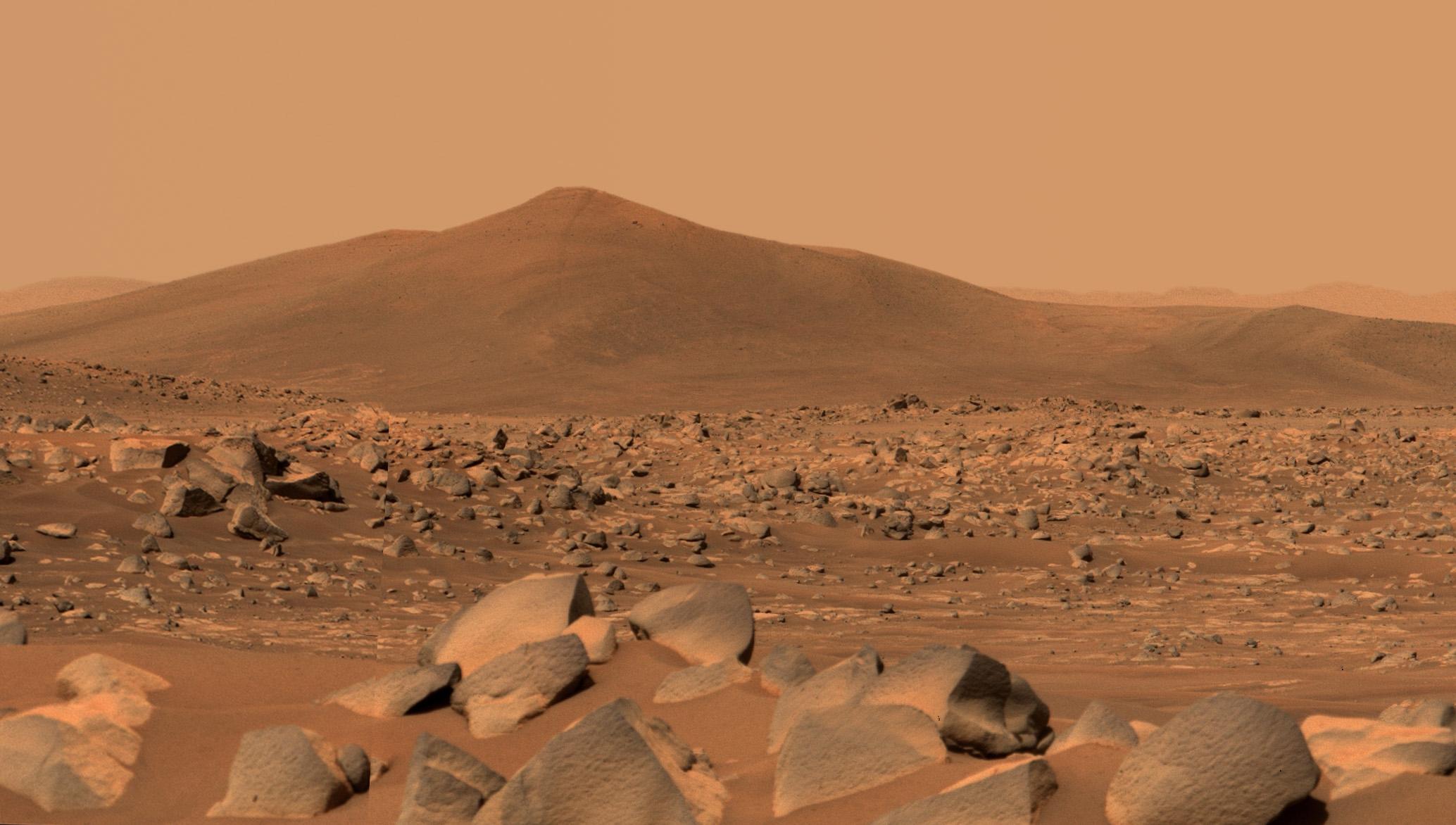
On Thursday, NASA issued a Request for Proposal (RFP), seeking industry collaboration for the Mars Telecommunications Network.
Reliable, high bandwidth communications is necessary to relay science data, high-definition imagery, and critical information during Mars missions. The network will use high-performance Mars telecommunications orbiters at the Red Planet to support future surface, orbital, and human exploration.
This RFP builds on a draft released April 2, as well as insights gathered during the accompanying industry day at NASA’s Goddard Space Flight Center in Greenbelt, Maryland, where commercial partners provided feedback on agency objectives for the Mars Telecommunications Network.
The request seeks responses that address both current and future operational missions. It also seeks a science payload accommodation that will be selected by NASA’s Science Mission Directorate. Industry is asked to respond within 30 calendar days of the posting, and the network should be ready to operate at Mars no later than 2030.
The Mars Telecommunications Network is part of NASA’s evolving space architecture, extending continuous network services beyond Earth to the Moon and Mars. The Mars Telecommunications Network is part of NASA’s SCaN (Space Communications and Navigation) Program’s Moon to Mars strategy, and is enabled by the direction and funding provided by Congress in the Working Families Tax Cut Act.
To learn more about NASA’s deep space exploration, visit:
Share Details Last Updated May 18, 2026 LocationNASA Headquarters Related TermsNASA Draws on Industry for Mars Telecommunications Network
On Thursday, NASA issued a Request for Proposal (RFP), seeking industry collaboration for the Mars Telecommunications Network.
Reliable, high bandwidth communications is necessary to relay science data, high-definition imagery, and critical information during Mars missions. The network will use high-performance Mars telecommunications orbiters at the Red Planet to support future surface, orbital, and human exploration.
This RFP builds on a draft released April 2, as well as insights gathered during the accompanying industry day at NASA’s Goddard Space Flight Center in Greenbelt, Maryland, where commercial partners provided feedback on agency objectives for the Mars Telecommunications Network.
The request seeks responses that address both current and future operational missions. It also seeks a science payload accommodation that will be selected by NASA’s Science Mission Directorate. Industry is asked to respond within 30 calendar days of the posting, and the network should be ready to operate at Mars no later than 2030.
The Mars Telecommunications Network is part of NASA’s evolving space architecture, extending continuous network services beyond Earth to the Moon and Mars. The Mars Telecommunications Network is part of NASA’s SCaN (Space Communications and Navigation) Program’s Moon to Mars strategy, and is enabled by the direction and funding provided by Congress in the Working Families Tax Cut Act.
To learn more about NASA’s deep space exploration, visit:
Share Details Last Updated May 18, 2026 LocationNASA Headquarters Related TermsThere’s an 82 percent chance El Niño will ‘emerge soon,’ NWS says
The El Niño climate event is due to return this year, with U.S. forecasters predicting an 82 percent chance of it coming in May through July and a 96 percent chance for it doing so in December through February 2027
‘Golden rule’ in abstract art just discovered by mathematicians
A mathematical ratio could explain why AI-generated art doesn’t evoke awe from viewers
Implantable ‘living materials’ that deliver drugs on demand could help fight infections
In a “breakthrough,” researchers demonstrate how engineered bacteria held in a jellylike container could help fight infection in mice
Doubts grow over theory that bird-watchers’ trip to Argentine landfill sparked hantavirus outbreak
The hantavirus cruise outbreak may not have started in a garbage dump in Ushuaia, Argentina, after all
NASA’s Psyche mission is snapping photos of Mars on its way to an asteroid
The Psyche spacecraft is bound for a metal-rich asteroid that it will examine up close starting in 2029. But first, it needs to swing past the Red Planet
NASA, Industry Prepare Cryogenic Fuel Technology Demo
2 min read
Preparations for Next Moonwalk Simulations Underway (and Underwater)NASA is collaborating with Eta Space of Rockledge, Florida, on an in‑orbit technology demonstration to advance a key capability for future deep space missions. The Liquid Oxygen Flight Demonstration, or LOXSAT, will test cryogenic fluid management technologies necessary for creating in-space propellant depots, essentially gas stations in space, that could support long-term exploration.
The LOXSAT payload is displayed inside Rocket Lab’s Spacecraft Production Complex in Long Beach, California. Rocket Lab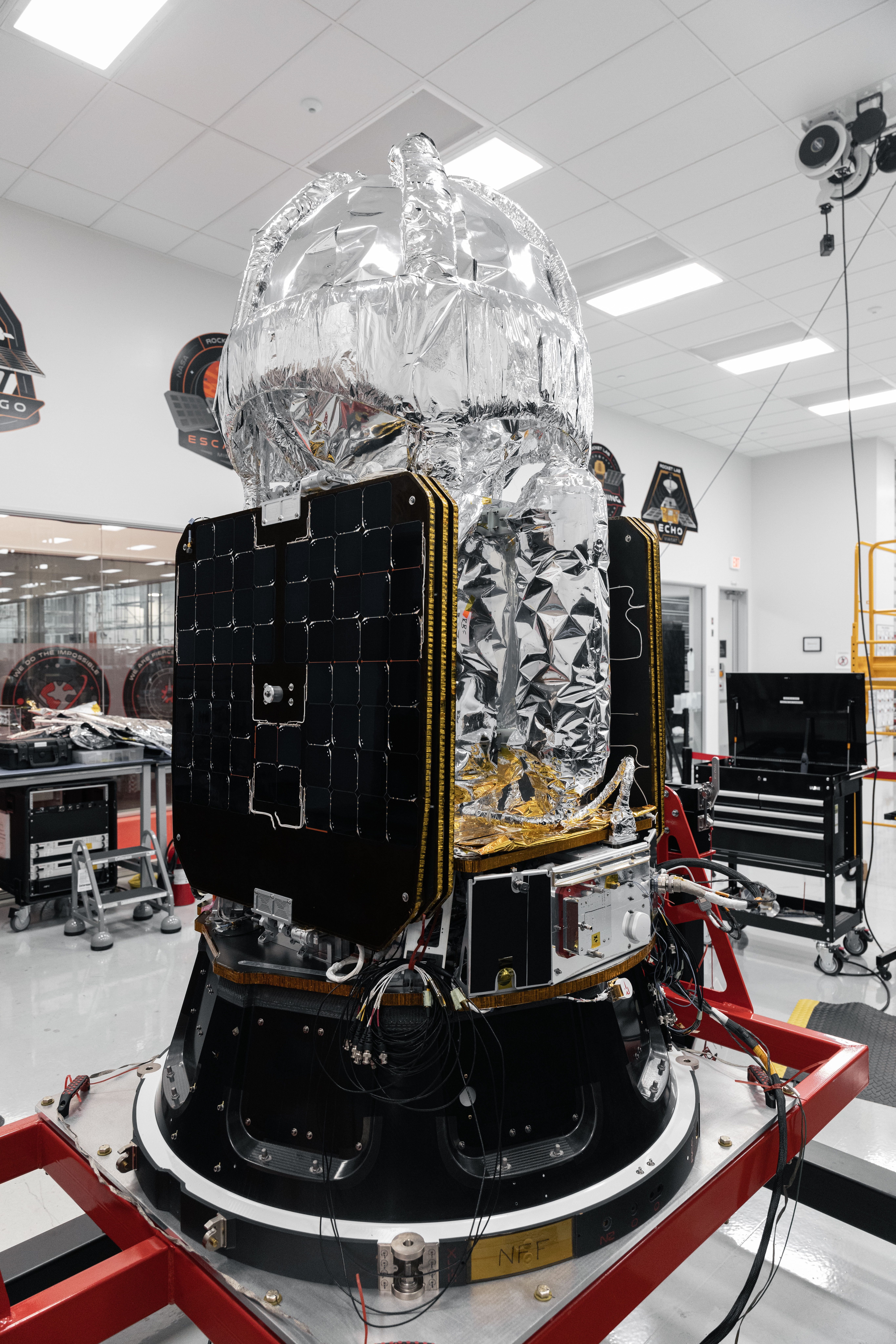
During a nine-month mission, LOXSAT will demonstrate 11 cryogenic fluid management technologies. Eta Space built LOXSAT as part of a NASA Tipping Point opportunity, and Rocket Lab is providing spacecraft and launch services to deliver it to low Earth orbit. The LOXSAT payload has been integrated with a Rocket Lab Photon satellite bus and will launch aboard the company’s Electron rocket from Launch Complex 1 on New Zealand’s Mahia Peninsula no earlier than July 17.
The technologies that LOXSAT will demonstrate were selected to address the core challenges of using cryogenic, or super-cold, propellants in microgravity, including reducing boiloff, transferring propellant, maintaining tank pressure, and gauging propellant levels. Data collected from these tests will support development of future in-space propellant depots that could refuel spacecraft as they journey to the Moon, Mars, or other deep space destinations.
Members of NASA’s Cryogenic Fluid Management project tour Rocket Lab’s Spacecraft Production Complex in Long Beach, California, on Thursday, Feb. 12, 2026 . The portfolio project team had the opportunity to view the LOXSAT payload and the setup for vibration testing. CreditRocket Lab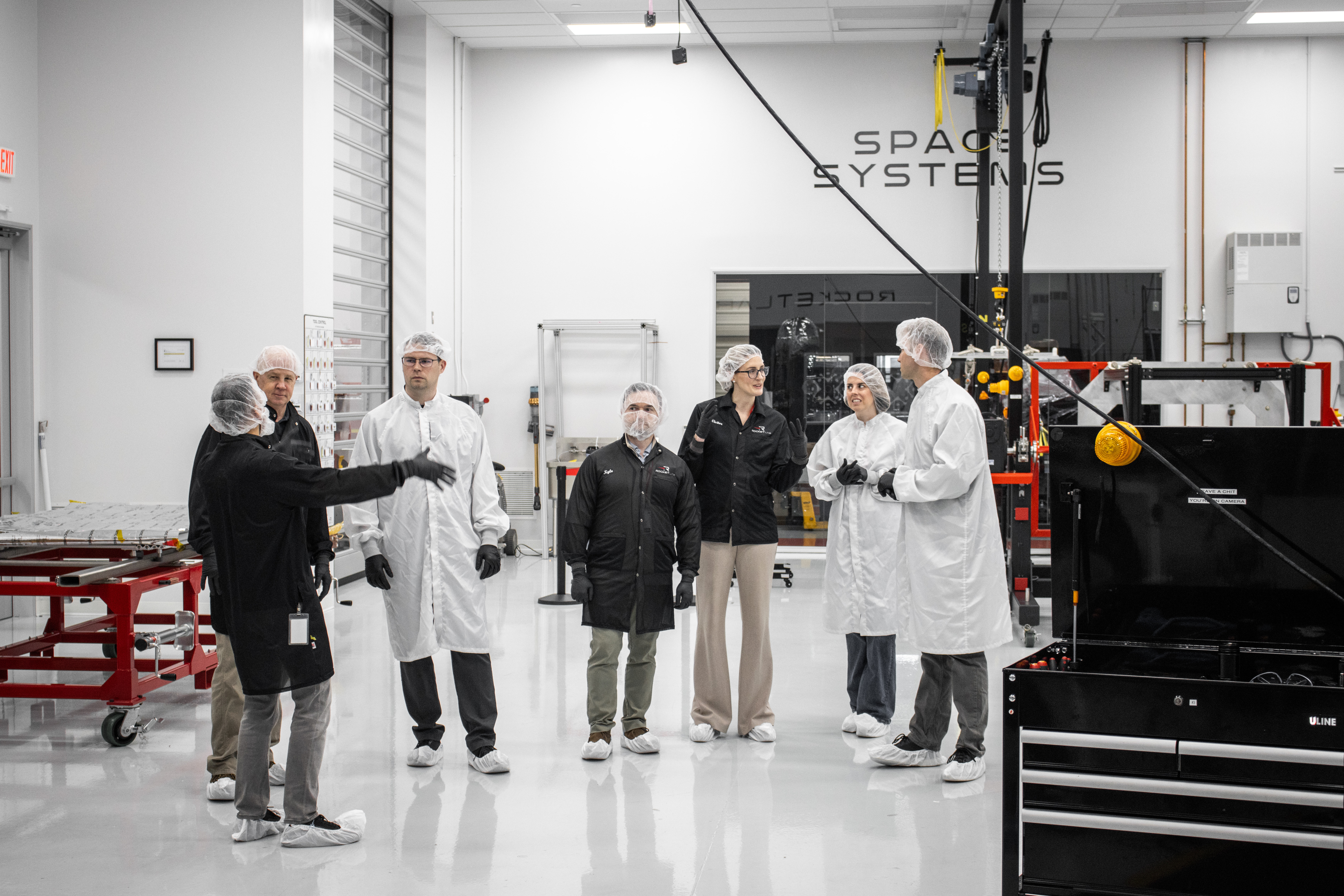
NASA’s LOXSAT team is composed of members of the Cryogenic Fluid Management Portfolio Project from NASA’s Marshall Space Flight Center in Huntsville, Alabama, Glenn Research Center in Cleveland, and Kennedy Space Center in Florida. The cryogenic portfolio’s work is part of NASA’s Space Technology Mission Directorate and includes more than 20 individual technology development activities.
To learn more, visit:
Share Details Last Updated May 15, 2026 EditorLee MohonContactJoel Wallacejoel.w.wallace@nasa.govLocationMarshall Space Flight Center Related Terms Explore More 3 min read Ice to Fuel: NASA Tests Technology for Refueling Landers Article 2 months ago 4 min read Stay Cool: NASA Tests Innovative Technique for Super Cold Fuel Storage Article 10 months ago 3 min read NASA Propellant Tech Could Fuel Long-Duration Missions Article 1 year ago Keep Exploring Discover Related TopicsMissions
Humans in Space
Climate Change
Solar System
NASA, Industry Prepare Cryogenic Fuel Technology Demo
2 min read
Preparations for Next Moonwalk Simulations Underway (and Underwater)NASA is collaborating with Eta Space of Rockledge, Florida, on an in‑orbit technology demonstration to advance a key capability for future deep space missions. The Liquid Oxygen Flight Demonstration, or LOXSAT, will test cryogenic fluid management technologies necessary for creating in-space propellant depots, essentially gas stations in space, that could support long-term exploration.
The LOXSAT payload is displayed inside Rocket Lab’s Spacecraft Production Complex in Long Beach, California. Rocket LabDuring a nine-month mission, LOXSAT will demonstrate 11 cryogenic fluid management technologies. Eta Space built LOXSAT as part of a NASA Tipping Point opportunity, and Rocket Lab is providing spacecraft and launch services to deliver it to low Earth orbit. The LOXSAT payload has been integrated with a Rocket Lab Photon satellite bus and will launch aboard the company’s Electron rocket from Launch Complex 1 on New Zealand’s Mahia Peninsula no earlier than July 17.
The technologies that LOXSAT will demonstrate were selected to address the core challenges of using cryogenic, or super-cold, propellants in microgravity, including reducing boiloff, transferring propellant, maintaining tank pressure, and gauging propellant levels. Data collected from these tests will support development of future in-space propellant depots that could refuel spacecraft as they journey to the Moon, Mars, or other deep space destinations.
Members of NASA’s Cryogenic Fluid Management project tour Rocket Lab’s Spacecraft Production Complex in Long Beach, California, on Thursday, Feb. 12, 2026 . The portfolio project team had the opportunity to view the LOXSAT payload and the setup for vibration testing. CreditRocket LabNASA’s LOXSAT team is composed of members of the Cryogenic Fluid Management Portfolio Project from NASA’s Marshall Space Flight Center in Huntsville, Alabama, Glenn Research Center in Cleveland, and Kennedy Space Center in Florida. The cryogenic portfolio’s work is part of NASA’s Space Technology Mission Directorate and includes more than 20 individual technology development activities.
To learn more, visit:
Share Details Last Updated May 15, 2026 EditorLee MohonContactJoel Wallacejoel.w.wallace@nasa.govLocationMarshall Space Flight Center Related Terms Explore More 3 min read Ice to Fuel: NASA Tests Technology for Refueling Landers Article 2 months ago 4 min read Stay Cool: NASA Tests Innovative Technique for Super Cold Fuel Storage Article 10 months ago 3 min read NASA Propellant Tech Could Fuel Long-Duration Missions Article 1 year ago Keep Exploring Discover Related TopicsMissions
Humans in Space
Climate Change
Solar System
Can helium-3 create a ‘gold rush’ on the moon?
The rare isotope helium-3 is one of Earth’s most precious commodities—so precious, in fact, that it might prove profitable to mine from the moon
Fresh Food Delivery for Space Station
Fresh Food Delivery for Space Station
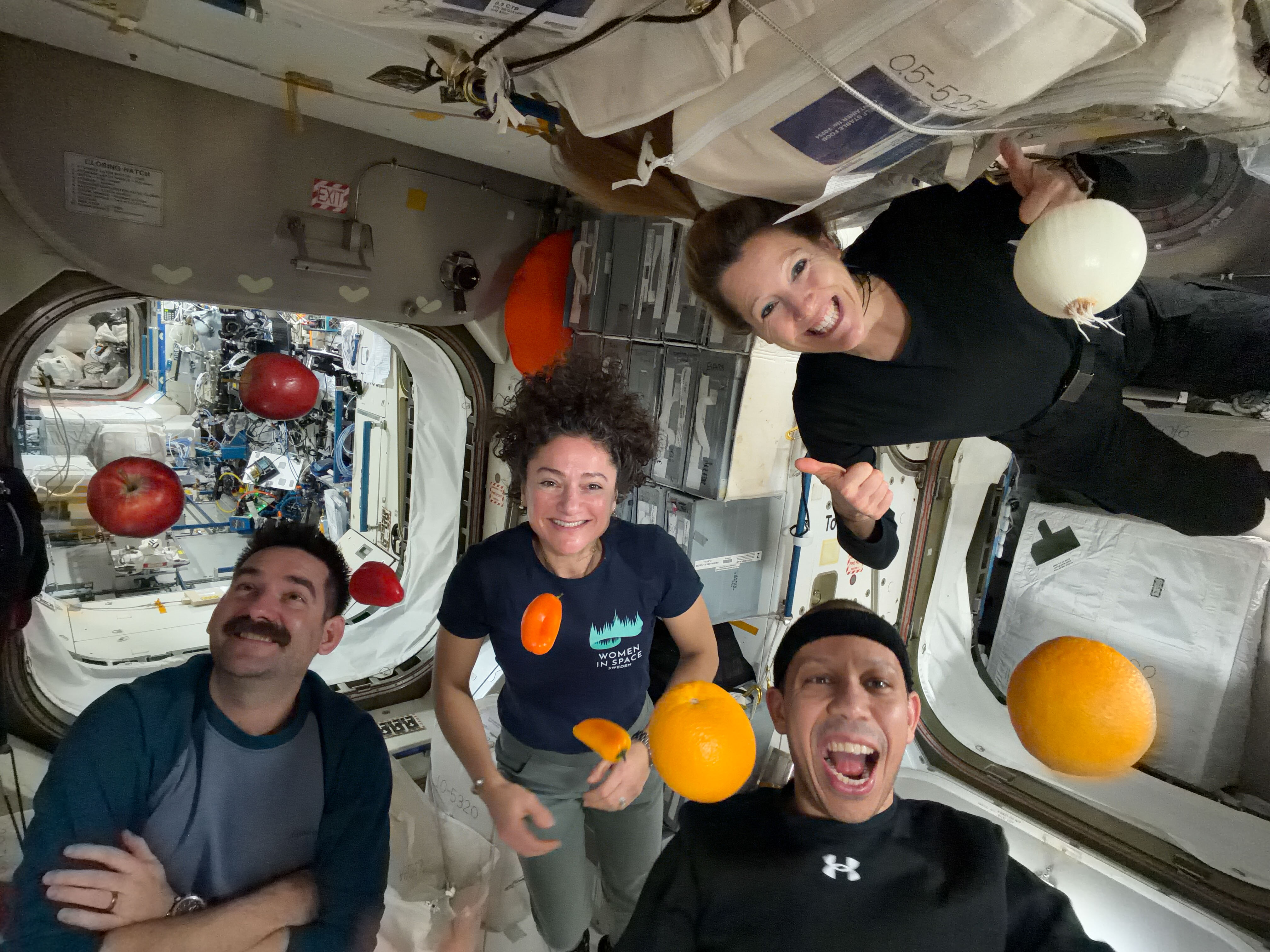
NASA astronauts Jack Hathaway (bottom left), Jessica Meir (middle left), and Chris Williams (bottom right), and ESA (European Space Agency) astronaut Sophie Adenot (top right) have some fun with food and microgravity in this April 19, 2026, photo.
Northrop Grumman’s Cygnus XL cargo spacecraft delivered a shipment of fresh food, including oranges, apples, onions, and peppers, to the International Space Station. Cygnus XL also brought over 2,300 pounds of new research hardware and science experiments that the space station crew will use to explore blood stem cells to treat cancers and blood disorders and study ways to protect astronaut gut health. Other gear delivered aboard Cygnus XL include an advanced exercise system from ESA, new eye-imaging hardware, oxygen and nitrogen tanks to recharge spacesuits, and more.
Image credit: NASA/Chris Williams
The war in Iran is supercharging an ecological crisis in the Persian Gulf
Despite decades of damage, the Persian Gulf’s ecological marvels remain—for now
Deep-Earth diamonds reveal trove of never-before-seen minerals
Flecks of minerals captured in diamonds show hidden connections between Earth’s surface and its deep interior
Depression scales may not work the same for highly intelligent people
Research suggests depression assessment questionnaires can’t reliably compare people with differing intelligence