

Feed aggregator
Live: Earth From Space - ISS Live Stream | ISS LIVE FEED : ISS Tracker + Live Chat
Student Astronomer Identifies Source of Mysterious Cosmic Signals
An international team led by astronomers at the University of Sydney has uncovered the clearest evidence yet for the origin of an unusual class of cosmic signals. In doing so, they have identified a rare stellar system that is providing scientists with a natural laboratory to study extreme physics.
Why Can't the Universe Be Cyclic? Part 2: The Awkward Triumph of Inflation
Inflation is awkward, possibly not even a proper theory, and it has reigned over cosmology for forty years anyway. Here is what it claims, the flatness, horizon, and monopole problems it solves, the structure-formation prediction it nailed, and the deep problems it still cannot escape.
How math can help you decide what to order for dinner
An experiment with 2,520 participants backs Richard Feynman’s answer to every diner’s dilemma: do I want to try something new?
Live: Earth From Space - ISS Live Stream | ISS LIVE FEED : ISS Tracker + Live Chat
The SETI Institute Releases Technosignature Report on 3I/ATLAS
Scientists at the SETI Institute searched for technological signals from 3I/ATLAS, the third interstellar object observed in our Solar System. Using the Allen Telescope Array (ATA) at the Hat Creek Radio Observatory in Northern California, the team scanned a wide range of radio frequencies for signs of extraterrestrial technology and found none, as expected based on other astronomical observations showing that the object exhibits natural comet-like composition and behavior. “Eventually, our own Voyager spacecraft will be extraterrestrial artifacts in other stellar systems,” said Dr. Sofia Sheikh, lead author on the paper. “Given that, it is important that we understand the natural distribution of interstellar objects so that we will be able to identify any anomalies that could one day be signs of an artificial interstellar object.” The team observed 3I/ATLAS for more than seven hours with the ATA, covering 1 to 9 gigahertz. This broad range allows scientists to search for narrowband radio signals, which are not produced by in nature and would be evidence of technology.
Why Can't the Universe Be Cyclic? Part 1: The Lure of the Eternal Universe
A look at why a cyclic, eternally repeating universe is such an appealing idea, and why the first serious attempt to build one, Richard Tolman's 1930s model of endless big bangs and big crunches, collapsed under the weight of entropy. The Big Bang keeps demanding a beginning.
NASA’s X-59 plane goes supersonic for the first time
This experimental plane, which reached supersonic speeds yesterday, is designed to travel faster than the speed of sound without creating bothersome sonic booms
A “Green” Dual-Mode Engine is About to Give CubeSats the Best of Both Worlds
Rocket scientists have always faced a trade-off in propulsion technologies. Chemical rockets can provide lots of oomph, but burn through fuel so quickly they can only do so for a few minutes. Electric propulsion, on the other hand, can run for days, but the pushing power they provide is miniscule compared to their chemical cousins. A new paper in the Journal of Propulsion and Power from researchers at MIT describes a system that might be the best of both worlds - a propulsion system that includes an electrospray thruster that uses a chemical rocket propellant, and can seamlessly switch to a chemical rocket when needed.
How prediction markets could forecast the future of science
Online prediction markets are taking bets on everything from climate change to quantum computing. But researchers question their accuracy
Aquanauts experience awe-inspiring ‘underview effect’
Like astronauts’ “overview effect,” a dramatic feeling of awe takes hold on extended seafloor stays
SETI Panel Revises Recommendations for Dealing With 'Disclosure Day'
An international committee of experts says it has updated its rules for evaluating and revealing the detection of extraterrestrial intelligence. The revisions to the decades-old Declaration of Principles, created and maintained by the International Academy of Astronautics' SETI Committee, come just days before the release of "Disclosure Day," a movie about alien visitation directed by Steven Spielberg.
NASA Bids Farewell to MAVEN Mars Mission in Public Teleconference
The first mission devoted to observing the Martian atmosphere and its evolution, NASA’s MAVEN (Mars Atmosphere and Volatile Evolution), has ended after more than 11 years in orbit at Mars and a decade beyond its primary, one-year mission.
NASA’s X-59 Aircraft Flies Supersonic for First Time
4 min read
Preparations for Next Moonwalk Simulations Underway (and Underwater) NASA’s X 59 eXternal Vision System shows Mach 1.077 on Friday, June 5, 2026, marking the aircraft’s first time reaching supersonic speed in support of NASA’s Quesst mission. The moment represents a milestone for the aircraft as it transitions to include test flights faster than the speed of sound. NASA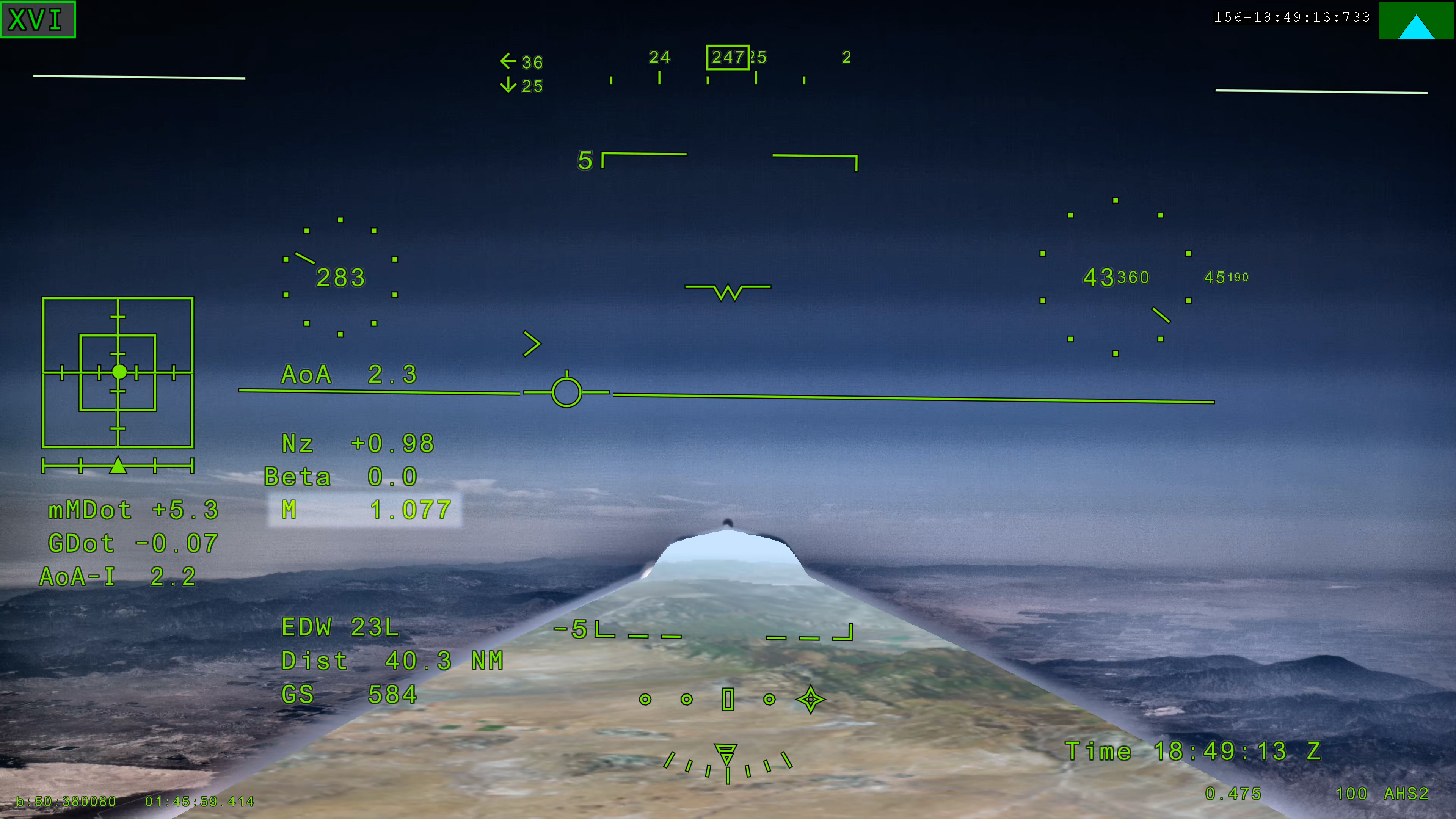
NASA’s experimental X-59 aircraft marked a major milestone Friday, June 5, when it flew faster than the speed of sound for the first time, setting the stage for demonstrating its quiet supersonic capabilities later this year.
NASA test pilot Jim “Clue” Less took off and landed at Edwards Air Force Base in California, reaching a top speed of approximately Mach 1.1 (713 mph) and altitude of 43,400 feet. The X-59’s flight began at 11:08 a.m. PDT and lasted 81 minutes, with the team focusing on flying qualities at both subsonic and then supersonic speeds.
In the coming days, we expect to take the next step and push to Mach 1.4jared isaacman
NASA Administrator
”X-59 is getting ready for its quiet supersonic debut. Since the aircraft’s first flight on Oct. 28, 2025, the team has made tremendous progress, flying 16 times in the last 90 days and getting into a steady test rhythm. In the coming days, we expect to take the next step and push to Mach 1.4,” said NASA Administrator Jared Isaacman “I’m grateful to the NASA team and Lockheed Martin Skunk Works for their help getting us to this point, and I hope this is the first of many collaborations as we rebuild NASA’s X-plane portfolio.”
The X-59 is designed to fly at supersonic speeds while creating only a quiet thump instead of a loud sonic boom. For this flight, a NASA F‑15 chase plane flew nearby to monitor the X‑59. The loud sonic booms from the F-15 obscured any sound made by the X-59.
“The X-59’s first supersonic flight is a testament to America’s enduring leadership in science, engineering, and aerospace innovation,” said Michael Kratsios, Assistant to the President for Science and Technology and Director of the Office of Science and Technology Policy. “This achievement comes as the Trump Administration continues work to unleash supersonic flight and enable American ingenuity.”
This first supersonic flight is a significant milestone, but an event even more critical to the mission is upcoming. In just days, the aircraft is expected to make its first “mission conditions” flight, reaching a cruising speed of Mach 1.4 (925 mph) and altitude of approximately 55,000 feet. The X-59 also will be accompanied by a chase plane for this flight.
NASA’s X-59 quiet supersonic research aircraft completed its first supersonic flight Friday, June 5, 2026, marking the first time the aircraft exceeded the speed of sound in support of NASA’s Quesst mission. The milestone represents a major step in flight testing as the aircraft expands into the supersonic portion of its flight envelope. NASA / Lori Losey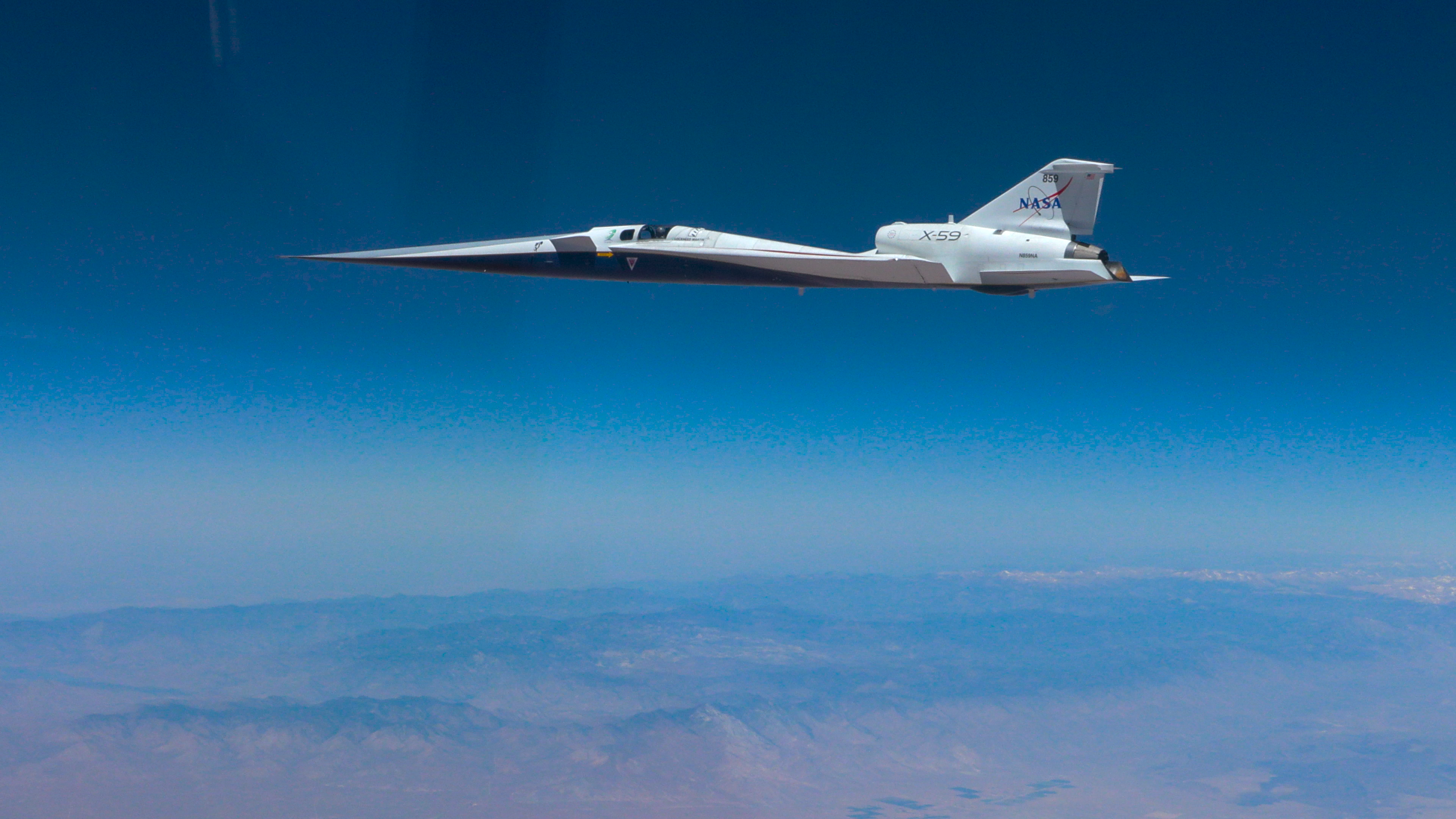
This speed and altitude are the base conditions for the X-59 when it will eventually fly over several U.S. communities enabling NASA to gather data about how people may perceive its quiet thump. NASA will share this data with U.S. and international regulators to help establish new data-driven noise standards to enable a future viable market for supersonic commercial flight over land.
For the last several months, the X-59 has been participating in an ongoing series of flights where the plane has been flying at a wide range of speeds and altitudes – a process known as envelope expansion. These tests are the first phase of the X-59’s flight testing. They are focused on performance and involve chase plane monitoring. When the aircraft completes this phase it will enter another, focused on its sound profile in order to verify its quiet thump capability.
The X-59 is the centerpiece of NASA’s Quesst mission, which aims to demonstrate quiet supersonic flight and help enable commercial supersonic flight over land worldwide. These advancements will help travelers reach their preferred destinations faster, spending less time in the air.
Through Quesst’s development of the X-59, NASA also will deliver design tools and technology for quiet supersonic airliners that will achieve the high speeds desired by commercial operators without disturbing people on the ground. NASA will validate design tools through ground and flight testing, providing U.S. aircraft manufacturers the ability to explore new quiet supersonic concepts, and provide them with confidence that their resulting designs will meet quiet flight requirements.
Read more about NASA’s Quesst mission and the X-59. Facebook logo @NASA@NASAaero@NASAes @NASA@NASAaero@NASA_es Instagram logo @NASA@NASAaero@NASA_es Linkedin logo @NASA Explore More 6 min read NASA’s X-59 Prepares for First Supersonic Flight Article 2 weeks ago 4 min read Keeping NASA Flying: Ground Crews Ensure Aircraft Readiness Article 2 weeks ago 4 min read NASA Announces Winners in University Aeronautics Competition Article 3 weeks ago Keep Exploring Discover More Topics From NASA
Missions
Artemis
Aeronautics STEM
Explore NASA’s History
Share Details Last Updated Jun 08, 2026 EditorJim BankeContactMatt Kamletmatthew.r.kamlet@nasa.govKristen Hatfieldkristen.m.hatfield@nasa.govLocationArmstrong Flight Research Center Related TermsNASA’s X-59 Aircraft Flies Supersonic for First Time
4 min read
Preparations for Next Moonwalk Simulations Underway (and Underwater) NASA’s X 59 eXternal Vision System shows Mach 1.077 on Friday, June 5, 2026, marking the aircraft’s first time reaching supersonic speed in support of NASA’s Quesst mission. The moment represents a milestone for the aircraft as it transitions to include test flights faster than the speed of sound. NASANASA’s experimental X-59 aircraft marked a major milestone Friday, June 5, when it flew faster than the speed of sound for the first time, setting the stage for demonstrating its quiet supersonic capabilities later this year.
NASA test pilot Jim “Clue” Less took off and landed at Edwards Air Force Base in California, reaching a top speed of approximately Mach 1.1 (713 mph) and altitude of 43,400 feet. The X-59’s flight began at 11:08 a.m. PDT and lasted 81 minutes, with the team focusing on flying qualities at both subsonic and then supersonic speeds.
In the coming days, we expect to take the next step and push to Mach 1.4jared isaacman
NASA Administrator
”X-59 is getting ready for its quiet supersonic debut. Since the aircraft’s first flight on Oct. 28, 2025, the team has made tremendous progress, flying 16 times in the last 90 days and getting into a steady test rhythm. In the coming days, we expect to take the next step and push to Mach 1.4,” said NASA Administrator Jared Isaacman “I’m grateful to the NASA team and Lockheed Martin Skunk Works for their help getting us to this point, and I hope this is the first of many collaborations as we rebuild NASA’s X-plane portfolio.”
The X-59 is designed to fly at supersonic speeds while creating only a quiet thump instead of a loud sonic boom. For this flight, a NASA F‑15 chase plane flew nearby to monitor the X‑59. The loud sonic booms from the F-15 obscured any sound made by the X-59.
“The X-59’s first supersonic flight is a testament to America’s enduring leadership in science, engineering, and aerospace innovation,” said Michael Kratsios, Assistant to the President for Science and Technology and Director of the Office of Science and Technology Policy. “This achievement comes as the Trump Administration continues work to unleash supersonic flight and enable American ingenuity.”
This first supersonic flight is a significant milestone, but an event even more critical to the mission is upcoming. In just days, the aircraft is expected to make its first “mission conditions” flight, reaching a cruising speed of Mach 1.4 (925 mph) and altitude of approximately 55,000 feet. The X-59 also will be accompanied by a chase plane for this flight.
NASA’s X-59 quiet supersonic research aircraft completed its first supersonic flight Friday, June 5, 2026, marking the first time the aircraft exceeded the speed of sound in support of NASA’s Quesst mission. The milestone represents a major step in flight testing as the aircraft expands into the supersonic portion of its flight envelope.NASA / Lori Losey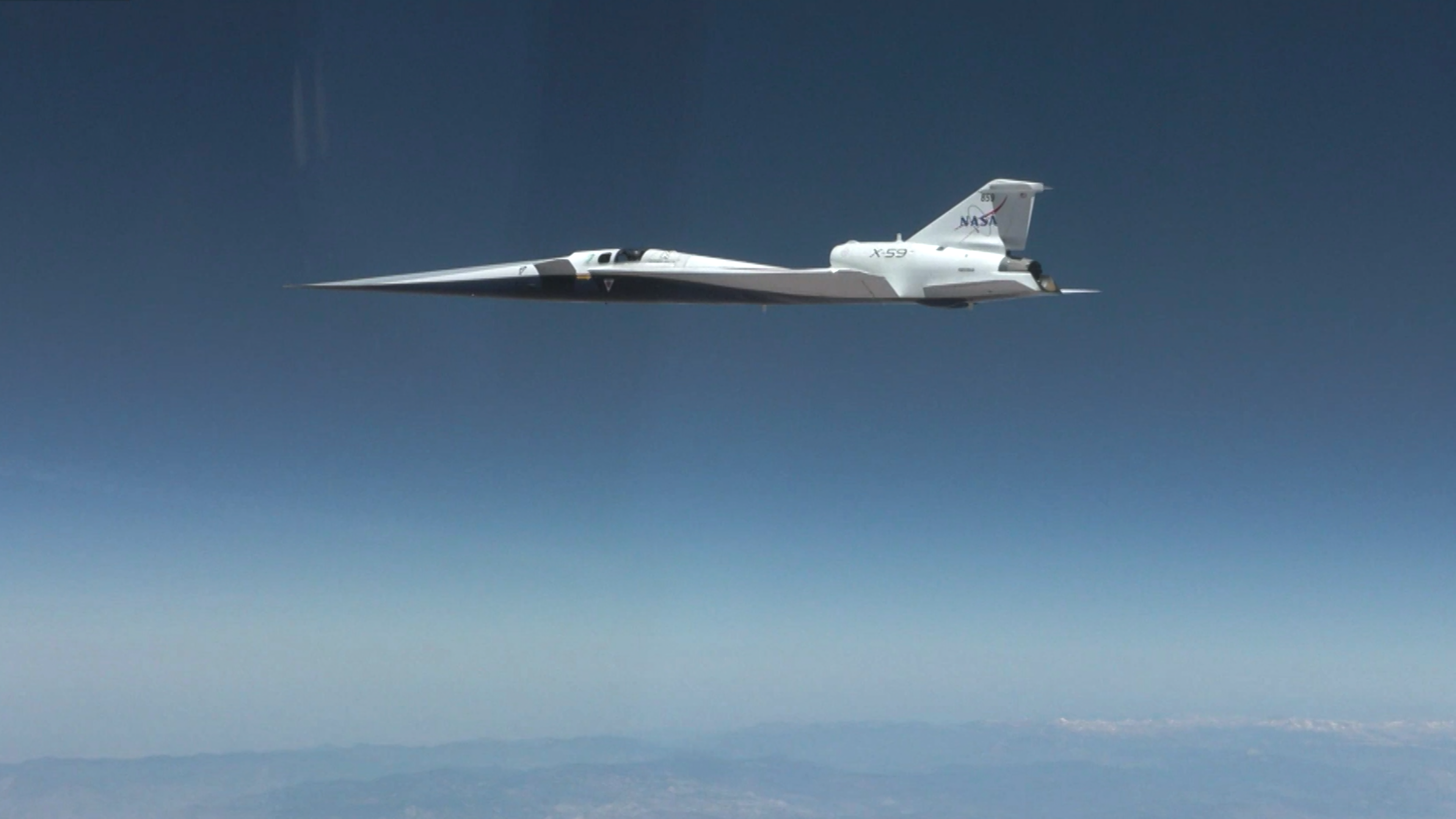
This speed and altitude are the base conditions for the X-59 when it will eventually fly over several U.S. communities enabling NASA to gather data about how people may perceive its quiet thump. NASA will share this data with U.S. and international regulators to help establish new data-driven noise standards to enable a future viable market for supersonic commercial flight over land.
For the last several months, the X-59 has been participating in an ongoing series of flights where the plane has been flying at a wide range of speeds and altitudes – a process known as envelope expansion. These tests are the first phase of the X-59’s flight testing. They are focused on performance and involve chase plane monitoring. When the aircraft completes this phase it will enter another, focused on its sound profile in order to verify its quiet thump capability.
The X-59 is the centerpiece of NASA’s Quesst mission, which aims to demonstrate quiet supersonic flight and help enable commercial supersonic flight over land worldwide. These advancements will help travelers reach their preferred destinations faster, spending less time in the air.
Through Quesst’s development of the X-59, NASA also will deliver design tools and technology for quiet supersonic airliners that will achieve the high speeds desired by commercial operators without disturbing people on the ground. NASA will validate design tools through ground and flight testing, providing U.S. aircraft manufacturers the ability to explore new quiet supersonic concepts, and provide them with confidence that their resulting designs will meet quiet flight requirements.
Read more about NASA’s Quesst mission and the X-59. Facebook logo @NASA@NASAaero@NASAes @NASA@NASAaero@NASA_es Instagram logo @NASA@NASAaero@NASA_es Linkedin logo @NASA Explore More 6 min read NASA’s X-59 Prepares for First Supersonic Flight Article 2 weeks ago 4 min read Keeping NASA Flying: Ground Crews Ensure Aircraft Readiness Article 2 weeks ago 4 min read NASA Announces Winners in University Aeronautics Competition Article 3 weeks ago Keep Exploring Discover More Topics From NASAMissions
Artemis
Aeronautics STEM
Explore NASA’s History
Share Details Last Updated Jun 06, 2026 EditorJim BankeContactMatt Kamletmatthew.r.kamlet@nasa.govKristen Hatfieldkristen.m.hatfield@nasa.govLocationArmstrong Flight Research Center Related TermsLive: Earth From Space - ISS Live Stream | ISS LIVE FEED : ISS Tracker + Live Chat
Astronomers Make "Live" Observation of a Nearby Protoplanetary Disk's Rotation
Ever since the first protoplanetary disk was discovered in 1984 around the star Beta Pictoris, these objects have presented astronomers with laboratories to study the births and evolution of worlds around distant stars. A team at France's National Center for Scientific Research (CNRS) and the University of Bordeaux, made a breakthrough in understanding these planetary birthplaces when they directly observed the rotation of a protoplanetary disk around the young star AB Aurigae.
NASA Announces Winners of 2026 University Innovation Competition
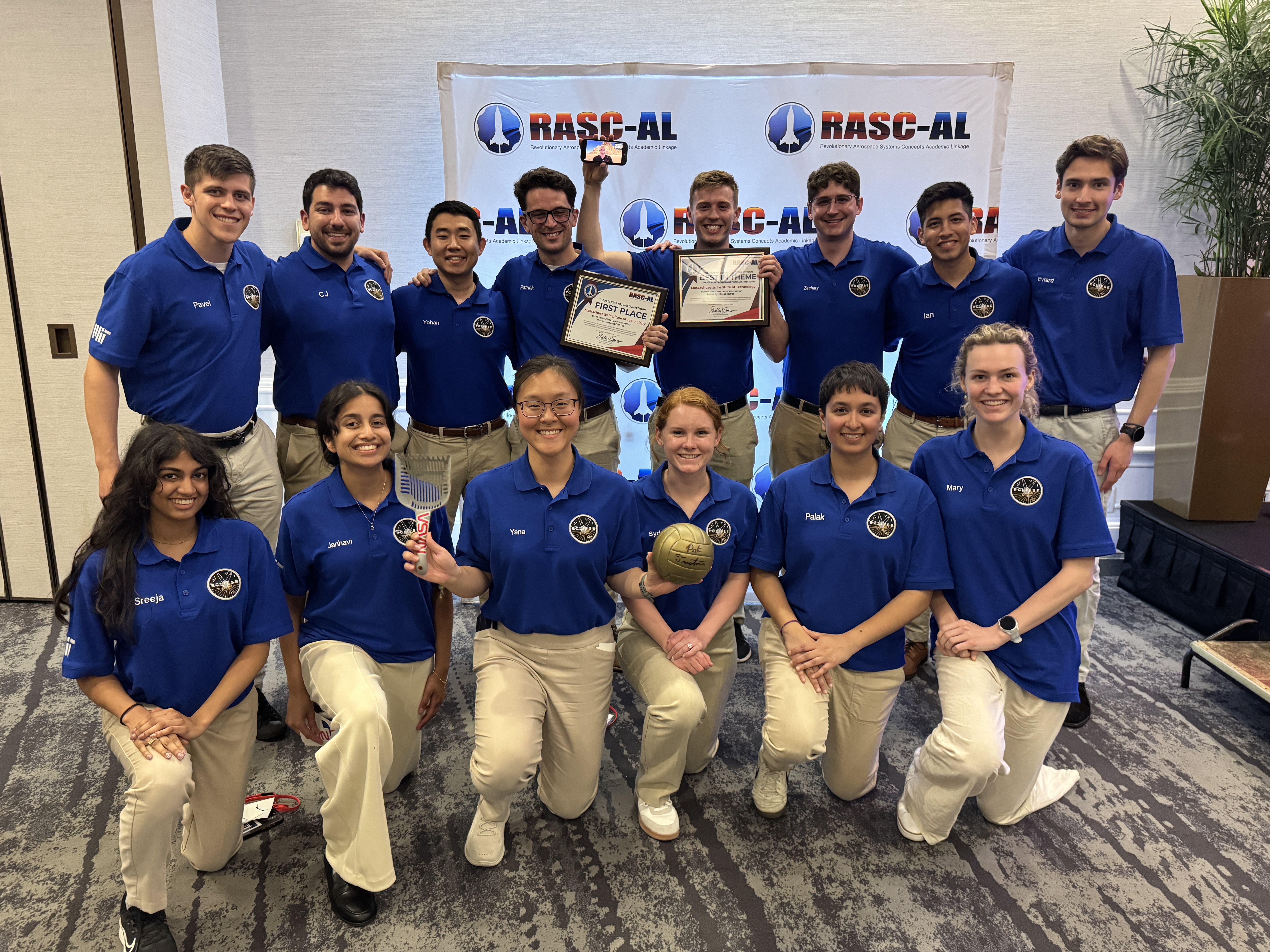
NASA announced the Massachusetts Institute of Technology project, Exploration-Class Lunar Integrated Power SystEm, as the first place winner for the 2026 Revolutionary Aerospace Systems Concepts – Academic Linkage (RASC-AL) competition, which challenges students to bridge gaps in aerospace technology by innovating new system concepts and prototypes.
Another team from the same university won second place overall for their project, Mars Exploration Layered Infrastructure for Operations, Research, and Advancement, while Virginia Polytechnic Institute and State University took third place with the Mars Pylon Network.
Empowering the next generation, the competition also supports the agency’s workforce development priorities by offering university teams hands-on experience in mission architecture development, systems engineering, and technical communication.
“The winning teams demonstrated how academic innovation can support Artemis mission goals,” said Daniel Mazanek, program sponsor for RASC-AL and senior space systems engineer, NASA’s Langley Research Center in Hampton, Virginia. “Their work highlights the important role student research plays in shaping future space exploration, and the results showcase how disciplined analysis can elevate innovative ideas into viable exploration concepts.”
Fourteen finalists attended the multi-day RASC-AL Forum in Cocoa Beach, Florida, and gave formal presentations outlining their mission architectures, technology solutions, and supporting analysis. These discussions provided students with real-time engineering feedback, exposing them to the rigor and scrutiny applied to human spaceflight concepts under development within the agency.
Awards were presented to teams demonstrating the highest levels of technical rigor, innovation, and mission alignment. In addition to the top prizes, other awards included:
- Best in Communications, Position, Navigation, and Time Architectures for Mars Surface Operations Theme: Massachusetts Institute of Technology
Mars Exploration Layered Infrastructure for Operations, Research, and Advancement MELIORA)
- Best in Lunar Sample Return Concept Theme: South Dakota State University
Sample Extraction of Lunar Elements for Network Entry (SELENE)
- Best in Lunar Surface Power and Power Management and Distribution Architectures Theme: Massachusetts Institute of Technology
Exploration-Class Lunar Integrated Power SystEm (ECLIPSE)
- Best in Lunar Technology Demonstrations Leveraging Common Infrastructure Theme: Massachusetts Institute of Technology
CLPS-enabled Highly-autonomous End-to-End isruSystem Evaluations to Build Understanding and Resilient Growth by Experimenting with Regolith (CHEESEBURGER)
- Best Prototype:
Embry-Riddle Aeronautical University, Worldwide Campus
Advanced Utilization of Resources for Energy & Viability Off-Earth (Project AUREVO)
University of Illinois, Urbana-Champaign with Leonardo de Vinci Engineering School
Mining and Advanced Transformation of Regolith for Infrastructure and eXpansion (MATRIX)
“The RASC-AL program allows students to demonstrate their ability to transform innovative concepts into technically sound studies, with emphasis on technical rigor, clear communication, and systems-level thinking,” said Christopher Jones, program sponsor for RASC-AL and chief technologist for the Systems Analysis and Concepts Directorate at NASA Langley. “These are the hallmarks of effective engineering that we’re looking for and reflect the standards required for real-world aerospace problem-solving,”
The NASA RASC-AL competition represents a cross-agency collaboration. The competition is administered by the National Institute of Aerospace and managed by the NASA Tournament Lab, part of the agency’s Prizes, Challenges, and Crowdsourcing Program.
For more information, visit: