
Feed aggregator
Start-up reveals ‘artificial egg’ to resurrect extinct birds, but scientists say the work misses the point
The science of de-extinction does not exist, but Colossal Biosciences’ “artificial egg” is an interesting technical feat
Future Mars Rovers Could Mimic a Swimming Motion to Traverse the Planet's Surface
Some animals can move efficiently beneath granular surfaces. These include the sandfish (Scincus scincus), a lizard native to the Sahara. It can burrow into the sand and then literally "swim" through the desert sand to hunt or escape predators. German researchers are working on a rover wheel design that mimics that swimming motion. In testing, the wheel system outperformed regular wheels.
Resolving the Kardashev's Conundrum Using a Bitcoin-Inspired Metric
A new study reevaluates the Kardashev Scale using a new framework that includes the Bitcoin network as a means of measuring the trajectory of human development.
Screen time limits can protect children’s health, U.S. surgeon general advisory says
The Trump administration warned that too much screen time for children has been linked to poor sleep, bad behavior, and less physical and social activity
Hellish Venus-Like Planets May Be More Prevalent Than True ExoEarths
Exoplanet hunters are keen to find the next extrasolar earthlike planet, one that may harbor life as we know it. But preliminary results from a new study indicate that our galaxy may be filled with a plethora of exo-Venuses. Yet as one exoplanetary researcher notes: the template for such exo-worlds --- our own Venus --- has been ‘criminally underexplored.’
An Ebola outbreak is spreading fast. Should you be worried?
A deadly Ebola outbreak in parts of Africa is raising international alarm. Still, experts stress that the chance of a pandemic is low
NASA Announces Winners in University Aeronautics Competition
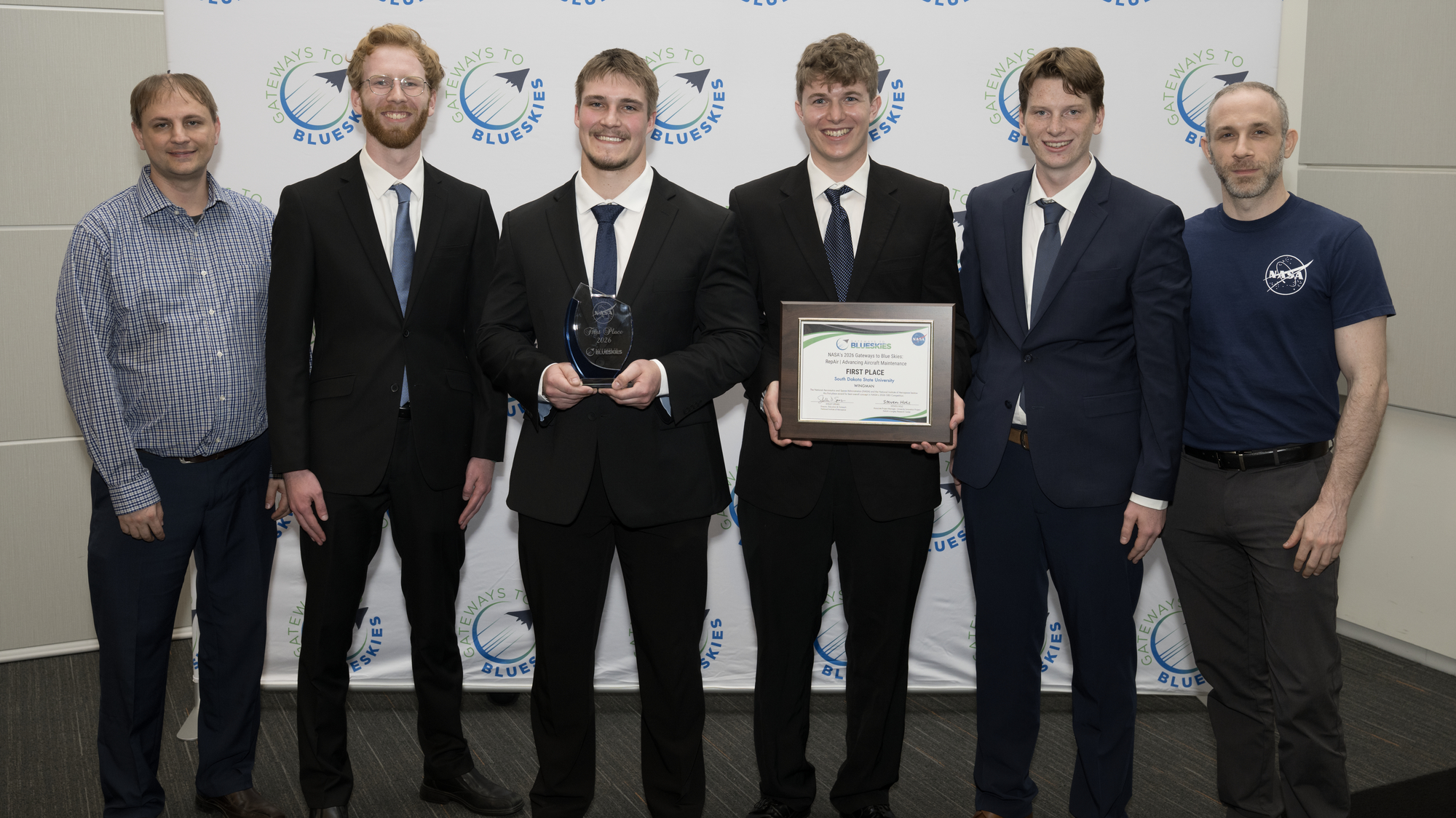
The South Dakota State University team took first place at NASA’s fifth annual Gateways to Blue Skies Competition, which challenged student teams to address a critical element of U.S. aviation: aircraft maintenance.
This year’s competition, RepAir: Advancing Aircraft Maintenance, asked teams of postsecondary students to develop innovative systems and practices that could advance commercial aircraft maintenance and repair operations by 2035. The competition, sponsored by NASA’s University Innovation project within the agency’s Aeronautics Research Mission Directorate, supported the agency’s objectives of fostering innovative research and strengthening the future aviation workforce.
“This year’s finalists proposed novel ideas to equip companies and their workers with innovative technologies to help keep our nation’s planes airworthy. This is especially critical in a time where flight safety is more commonly in the spotlight and where workforce shortages lead to challenges and opportunities in aviation,” said Steven Holz, associate project manager for NASA’s University Innovation Project and judging panel chair for Gateways to Blue Skies. “Our panel of industry and subject matter experts were excited about the possibilities these concepts could bring, as well as shared insights needed for these teams to push forward for real-world implementation.”
The winning project, WINGMAN, proposed augmented reality safety glasses equipped with voice-controlled manuals, automatic documentation, and photo recognition that could assist aircraft mechanics during routine daily servicing and minor repairs. The glasses would function as the mechanic’s “wingman,” enabling hands-free access to the information and reporting mechanisms required for line inspections.
The WINGMAN team presented their research along with eight finalists at the 2026 Gateways to Blue Skies Forum held May 18 and 19 at NASA’s Langley Research Center in Hampton, Virginia. The forum was judged by subject matter experts from NASA, the Federal Aviation Administration, and industry, including representatives from Southwest Airlines and American Airlines. Students at the forum had the opportunity to network with NASA and industry experts, tour the center, and gain insight into potential careers. The event was livestreamed, and the presentations were recorded.
The winning team members will have the opportunity to intern at one of NASA’s four aeronautics research centers during the 2026-27 academic year, including NASA Langley, NASA’s Glenn Research Center in Cleveland, NASA’s Ames Research Center in California’s Silicon Valley, and NASA’s Armstrong Flight Research Center in Edwards, California.
“It was super exciting to participate in Gateways to Blue Skies, especially with the really interesting concepts this year,” said Owen Diede, WINGMAN team lead. “We couldn’t have done it without the feedback and support from our faculty advisor, Dr. Todd Letcher, as well as our design review committee, Dr. Ruyi Lian and Dr. Cody Christensen. This was a fantastic opportunity to learn and grow, and we are incredibly thankful for the experience.”
Other recognitions included:
- Best Infographic: University of California, Irvine
Aishield: Aircraft Structural Health Intelligence for Evaluation and Lifecycle Detection - Future Game-Changer: University of Georgia
Quasar: Quantum Sensing Aerial Reporting - Safety Spotlight: South Dakota State University
SPIDER (Surveying Platform and Inspection Device for Enclosed Regions)
The commercial aviation industry is a crucial component of the U.S. economy, yet it faces significant challenges due to a shortage of qualified maintenance workers and increasing demands to keep aircraft running for longer. NASA is dedicated to working with commercial, academic, and government partners to advance the capabilities and performance of U.S. aviation.
The Gateways to Blue Skies Challenge is part of the Transformative Aeronautics Concepts Program in NASA’s Aeronautics Research Mission Directorate. The NASA Tournament Lab, part of the Prizes, Challenges, and Crowdsourcing Program in the Space Technology Mission Directorate, manages the challenge through the National Institute of Aerospace on behalf of NASA.
For more information about NASA’s Aeronautics Research Mission Directorate, visit:
NASA Announces Winners in University Aeronautics Competition
A South Dakota State University team took first place at NASA’s fifth annual Gateways to Blue Skies Competition, which challenged student teams to address a critical element of U.S. aviation: aircraft maintenance.
This year’s competition, RepAir: Advancing Aircraft Maintenance, asked teams of postsecondary students to develop innovative systems and practices that could advance commercial aircraft maintenance and repair operations by 2035. The competition, sponsored by NASA’s University Innovation project within the agency’s Aeronautics Research Mission Directorate, supported the agency’s objectives of fostering innovative research and strengthening the future aviation workforce.
“This year’s finalists proposed novel ideas to equip companies and their workers with innovative technologies to help keep our nation’s planes airworthy. This is especially critical in a time where flight safety is more commonly in the spotlight and where workforce shortages lead to challenges and opportunities in aviation,” said Steven Holz, associate project manager for NASA’s University Innovation Project and judging panel chair for Gateways to Blue Skies. “Our panel of industry and subject matter experts were excited about the possibilities these concepts could bring, as well as shared insights needed for these teams to push forward for real-world implementation.”
The winning project, WINGMAN, proposed augmented reality safety glasses equipped with voice-controlled manuals, automatic documentation, and photo recognition that could assist aircraft mechanics during routine daily servicing and minor repairs. The glasses would function as the mechanic’s “wingman,” enabling hands-free access to the information and reporting mechanisms required for line inspections.
The WINGMAN team presented their research along with seven finalists at the 2026 Gateways to Blue Skies Forum held May 18 and 19 at NASA’s Langley Research Center in Hampton, Virginia. The forum was judged by subject matter experts from NASA, the Federal Aviation Administration, and industry, including representatives from Southwest Airlines and American Airlines. Students at the forum had the opportunity to network with NASA and industry experts, tour the center, and gain insight into potential careers. The event was livestreamed, and the presentations were recorded.
The winning team members will have the opportunity to intern at one of NASA’s four aeronautics research centers during the 2026-27 academic year, including NASA Langley, NASA’s Glenn Research Center in Cleveland, NASA’s Ames Research Center in California’s Silicon Valley, and NASA’s Armstrong Flight Research Center in Edwards, California.
“It was super exciting to participate in Gateways to Blue Skies, especially with the really interesting concepts this year,” said Owen Diede, WINGMAN team lead. “We couldn’t have done it without the feedback and support from our faculty advisor, Dr. Todd Letcher, as well as our design review committee, Dr. Ruyi Lian and Dr. Cody Christensen. This was a fantastic opportunity to learn and grow, and we are incredibly thankful for the experience.”
Other recognitions included:
- Best Infographic: University of California, Irvine
Air Shield: Aircraft Structural Health Intelligence for Evaluation and Lifecycle Detection - Future Game-Changer: University of Georgia
Quasar: Quantum Sensing Aerial Reporting - Safety Spotlight: South Dakota State University
SPIDER (Surveying Platform and Inspection Device for Enclosed Regions)
The commercial aviation industry is a crucial component of the U.S. economy, yet it faces significant challenges due to a shortage of qualified maintenance workers and increasing demands to keep aircraft running for longer. NASA is dedicated to working with commercial, academic, and government partners to advance the capabilities and performance of U.S. aviation.
The Gateways to Blue Skies Challenge is part of the Transformative Aeronautics Concepts Program in NASA’s Aeronautics Research Mission Directorate. The NASA Tournament Lab, part of the Prizes, Challenges, and Crowdsourcing Program in the Space Technology Mission Directorate, manages the challenge through the National Institute of Aerospace on behalf of NASA.
For more information about NASA’s Aeronautics Research Mission Directorate, visit:
NASA's Psyche Mission Says Goodbye to Mars and Heads for its Metal-Rich Target
Spacecraft often use planets for gravity-assist or "slingshot" maneuvers. NASA's Psyche mission used Mars for that purpose during a May 15th flyby. The flyby accelerated the spacecraft and aimed it at its eventual destination, the asteroid 16 Psyche. The flyby was also an opportunity to take some pictures of Mars, and to test and calibrate the spacecraft's science instruments.
La NASA informará sobre su estrategia y misiones para la Base Lunar
Read this news release in English here.
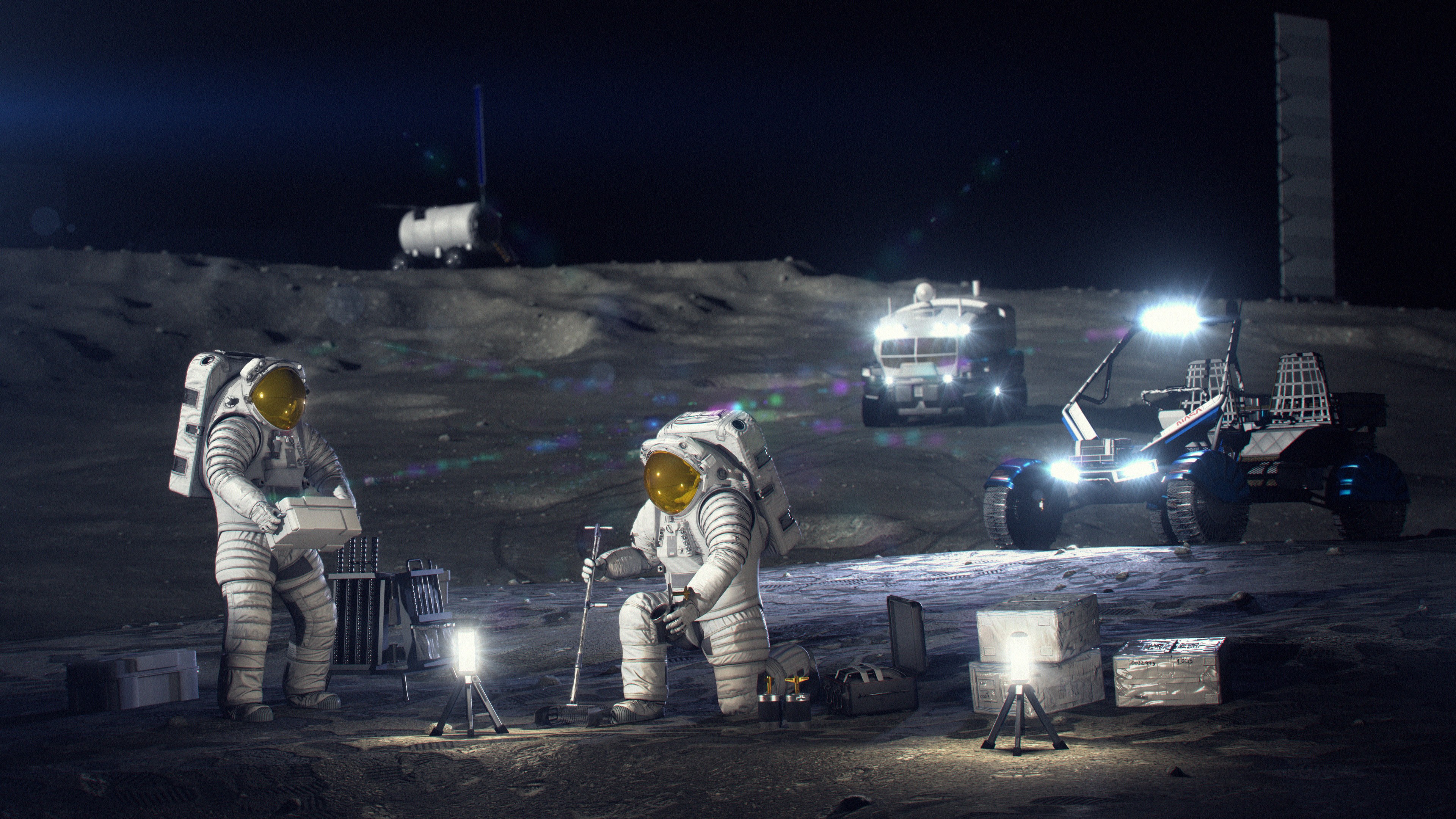
La NASA ofrecerá una conferencia de prensa el martes 26 de mayo a las 2 p.m. EDT (hora del este) para compartir los planes para la Base Lunar y destacar los avances hacia una presencia sostenida en la superficie lunar. La sesión informativa para los medios tendrá lugar en la sede central de la agencia en Washington.
Líderes de la agencia hablarán sobre los avances del programa, incluyendo a los nuevos socios de la industria y los planes de la misión. Una vez finalizada la conferencia de prensa, habrá expertos en la materia disponibles para dar entrevistas individuales.
Siga la rueda de prensa en vivo a través de la aplicación NASA+ y el canal de YouTube de la agencia. Descubra cómo ver el contenido de la NASA en diversas plataformas en línea, incluidas las redes sociales (información ofrecida en inglés).
Entre los participantes se encuentran:
- Jared Isaacman, administrador de la NASA
- Lori Glaze, administradora asociada interina, Dirección de Misiones de Desarrollo de Sistemas de Exploración
- Carlos García-Galán, director del programa Base Lunar. García-Galán es hispanohablante.
Los representantes de los medios que no puedan asistir en persona podrán hacer preguntas por teléfono. Para participar en persona o por teléfono, debe confirmar su asistencia a la oficina de prensa de la sede a más tardar a las 11 a.m. del 26 de mayo, enviando un correo a: hq-media@mail.nasa.gov. La política de acreditación de medios de la NASA está disponible en línea (en inglés). La NASA impulsa el desarrollo de la Base Lunar, una iniciativa de exploración e infraestructura lunar a largo plazo diseñada para permitir una presencia humana sostenida y una mayor actividad científica y comercial en el Polo Sur lunar.
Como parte de una edad de oro de innovación y exploración, la NASA enviará astronautas en misiones cada vez más difíciles para explorar más de la Luna con fines de descubrimiento científico y beneficios económicos, y para continuar sentando las bases para las primeras misiones tripuladas a Marte.
Para más información sobre las misiones de la NASA, visite:
https://www.nasa.gov (inglés)
https://ciencia.nasa.gov/ (español)
-fin-
Bethany Stevens / James Gannon / María José Viñas
Sede central, Washington
+1-202-358-1600
bethany.c.stevens@nasa.gov / james.h.gannon@nasa.gov / maria-jose.vinasgarcia@nasa.gov
La NASA informará sobre su estrategia y misiones para la Base Lunar
Read this news release in English here.
La NASA ofrecerá una conferencia de prensa el martes 26 de mayo a las 2 p.m. EDT (hora del este) para compartir los planes para la Base Lunar y destacar los avances hacia una presencia sostenida en la superficie lunar. La sesión informativa para los medios tendrá lugar en la sede central de la agencia en Washington.
Líderes de la agencia hablarán sobre los avances del programa, incluyendo a los nuevos socios de la industria y los planes de la misión. Una vez finalizada la conferencia de prensa, habrá expertos en la materia disponibles para dar entrevistas individuales.
Siga la rueda de prensa en vivo a través de la aplicación NASA+ y el canal de YouTube de la agencia. Descubra cómo ver el contenido de la NASA en diversas plataformas en línea, incluidas las redes sociales (información ofrecida en inglés).
Entre los participantes se encuentran:
- Jared Isaacman, administrador de la NASA
- Lori Glaze, administradora asociada interina, Dirección de Misiones de Desarrollo de Sistemas de Exploración
- Carlos García-Galán, director del programa Base Lunar. García-Galán es hispanohablante.
Los representantes de los medios que no puedan asistir en persona podrán hacer preguntas por teléfono. Para participar en persona o por teléfono, debe confirmar su asistencia a la oficina de prensa de la sede a más tardar a las 11 a.m. del 26 de mayo, enviando un correo a: hq-media@mail.nasa.gov. La política de acreditación de medios de la NASA está disponible en línea (en inglés). La NASA impulsa el desarrollo de la Base Lunar, una iniciativa de exploración e infraestructura lunar a largo plazo diseñada para permitir una presencia humana sostenida y una mayor actividad científica y comercial en el Polo Sur lunar.
Como parte de una edad de oro de innovación y exploración, la NASA enviará astronautas en misiones cada vez más difíciles para explorar más de la Luna con fines de descubrimiento científico y beneficios económicos, y para continuar sentando las bases para las primeras misiones tripuladas a Marte.
Para más información sobre las misiones de la NASA, visite:
https://www.nasa.gov (inglés)
https://ciencia.nasa.gov/ (español)
-fin-
Bethany Stevens / James Gannon / María José Viñas
Sede central, Washington
+1-202-358-1600
bethany.c.stevens@nasa.gov / james.h.gannon@nasa.gov / maria-jose.vinasgarcia@nasa.gov
NASA TechLeap Prize: Robotically Manipulated Payload Challenge
The Robotically Manipulated Payload Challenge — the fifth in the NASA TechLeap Prize series — is a competition to advance persistent infrastructure for in-space servicing, assembly, and manufacturing. NASA Flight Opportunities invites applicants to propose a payload that can be manipulated by a robotic arm in low Earth orbit. Up to three winners will each receive up to $500,000 to develop a flight-ready payload. In addition, NASA intends to provide an opportunity for the winning teams to demonstrate their payload in orbit (at no additional cost). These TechLeap payloads will fly aboard an orbital spacecraft that will rendezvous with the Fly Foundational Robots (FFR) platform. The FFR mission is expected to launch in late 2027, and the TechLeap payloads are slated to launch in early 2028.
Across three phases, applicants will move from ideation to payload build over 12 months. The timeline for this challenge is intentionally rapid, with the goal of increasing the pace of space.
Award: Up to three winners may receive up to $500,000 in prizes across three phases
Challenge Open Date: May 20, 2026
Phase 1 Registration Close Date: July 29, 2026
Application Close Date: August 12, 2026
For more information, visit: https://rmpc.nasatechleap.org/
NASA TechLeap Prize: Robotically Manipulated Payload Challenge
The Robotically Manipulated Payload Challenge — the fifth in the NASA TechLeap Prize series — is a competition to advance persistent infrastructure for in-space servicing, assembly, and manufacturing. NASA Flight Opportunities invites applicants to propose a payload that can be manipulated by a robotic arm in low Earth orbit. Up to three winners will each receive up to $500,000 to develop a flight-ready payload. In addition, NASA intends to provide an opportunity for the winning teams to demonstrate their payload in orbit (at no additional cost). These TechLeap payloads will fly aboard an orbital spacecraft that will rendezvous with the Fly Foundational Robots (FFR) platform. The FFR mission is expected to launch in late 2027, and the TechLeap payloads are slated to launch in early 2028.
Across three phases, applicants will move from ideation to payload build over 12 months. The timeline for this challenge is intentionally rapid, with the goal of increasing the pace of space.
Award: Up to three winners may receive up to $500,000 in prizes across three phases
Challenge Open Date: May 20, 2026
Phase 1 Registration Close Date: July 29, 2026
Application Close Date: August 12, 2026
For more information, visit: https://rmpc.nasatechleap.org/
Women’s body temperature rises from age 18 to 42 but we don’t know why
Women’s body temperature rises from age 18 to 42 but we don’t know why
The mysterious reason why women get hotter from age 18 to 42
The mysterious reason why women get hotter from age 18 to 42
A New Study on Coronal Holes Improves Space Weather Forecasting
New Mexico State University (NMSU) astronomy graduate student Khagendra Katuwal studied 70 coronal holes on the sun to better understand the connection between solar activity and space weather. His paper was recently published in The Astrophysical Journal.