
Feed aggregator
Scientists just built a powerful AI computer worm that learns as it spreads
This prototype could help the world prepare for AI malware threats, according to the researchers who made it
Venus, Jupiter Converge in Stunning June 9th Dusk Conjunction
A beautiful conjunction is coming, and all you need are your eyes to enjoy it.
The post Venus, Jupiter Converge in Stunning June 9th Dusk Conjunction appeared first on Sky & Telescope.
CERN’s new chief on the gamble that could fix our picture of reality
CERN’s new chief on the gamble that could fix our picture of reality
Earth has a mysterious triple symmetry that may influence its climate
Earth has a mysterious triple symmetry that may influence its climate
Journey to the Center of the Virgo Cluster
Journey to the Center of the Virgo Cluster
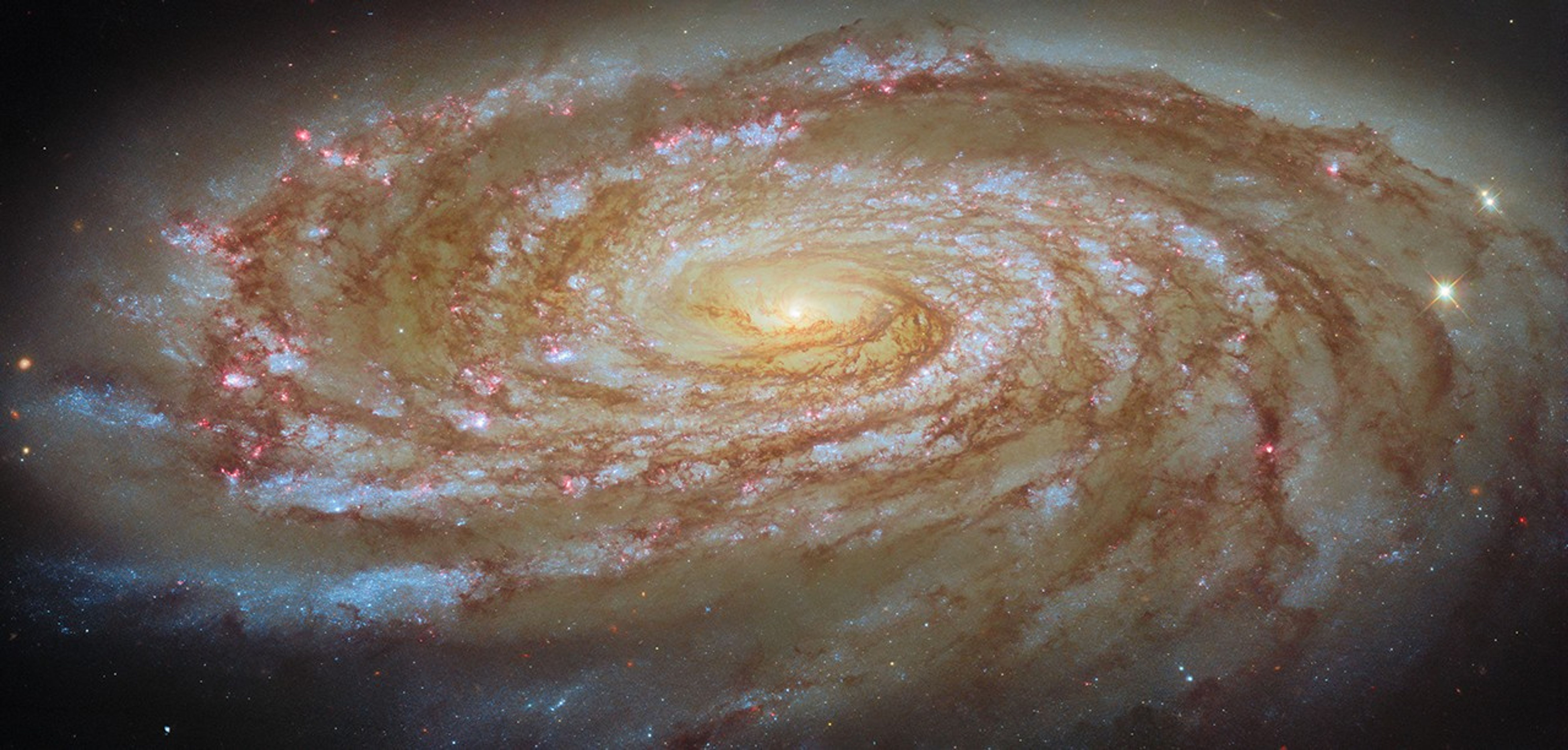
The focus of this NASA/ESA Hubble Space Telescope image released on May 29, 2026, is an active spiral galaxy on a journey lasting hundreds of millions of years. The galaxy Messier 88 (M88), also known as NGC 4501, is located about 63 million light-years away in the constellation Coma Berenices (Berenice’s Hair).
M88 is an active galaxy, which means that its center harbors a supermassive black hole that is snacking on gas and dust. Astronomers estimate the black hole is around 100 million times as massive as the Sun, and it appears to be powering outflows of gas from the galaxy’s center.
Image credit: ESA/Hubble & NASA, D. Thilker
Journey to the Center of the Virgo Cluster
The focus of this NASA/ESA Hubble Space Telescope image released on May 29, 2026, is an active spiral galaxy on a journey lasting hundreds of millions of years. The galaxy Messier 88 (M88), also known as NGC 4501, is located about 63 million light-years away in the constellation Coma Berenices (Berenice’s Hair).
M88 is an active galaxy, which means that its center harbors a supermassive black hole that is snacking on gas and dust. Astronomers estimate the black hole is around 100 million times as massive as the Sun, and it appears to be powering outflows of gas from the galaxy’s center.
Image credit: ESA/Hubble & NASA, D. Thilker
Here's Why So Many Massive Galaxies in the Early Universe Stop Forming Stars
The early Universe is full of massive galaxies that stopped forming stars very early. They're called massive quenchers (MQ) and they're challenging to explain. New research shows that another type of galaxy, dusty star-forming galaxies (DSFGs) can explain why. It's all about mergers, starbursts, and AGN feedback.
Landmark pancreatic cancer treatment paves way for targeting other tricky tumors
Unprecedented results against a stubbornly hard-to-treat cancer are boosting optimism that other challenging tumors will be next
Ditch the niceties in AI prompts to save energy use, say researchers
Ditch the niceties in AI prompts to save energy use, say researchers
Atom-based quantum computers are catching up in the race to usefulness
Atom-based quantum computers are catching up in the race to usefulness
Exoplanetary Weather Watchers Find Strong Evidence of Magnetic Fields
Astronomers studying wind speeds on distant exoplanets have discovered weather systems driven by magnetic fields, rather than the largely hydrodynamic weather patterns observed on Earth. This discovery is among the best evidence yet for the existence of magnetic fields on exoplanets.
NASA’s Mars mission MAVEN is lost forever
MAVEN was the first successful mission designed to study the atmosphere of Mars. It also became a vital node of NASA’s communications network at the Red Planet
Mars MAVEN Mission Lost; NASA Says Farewell
NASA has announced that, after six months of trying to recover the MAVEN mission at Mars, they are saying goodbye.
The post Mars MAVEN Mission Lost; NASA Says Farewell appeared first on Sky & Telescope.
NASA Drains 66-Million-Gallon Reservoir to Upgrade Critical Water System
A powerful but mostly unseen water system at work during rocket engine tests at NASA’s Stennis Space Center near Bay St. Louis, Mississippi, underwent an upgrade in May.
Crews brought the High Pressure Industrial Water Facility’s 66-million-gallon reservoir to its lowest level since construction in the 1960s by pumping out about 40 million gallons of water over three days.
This brought the reservoir, measuring 800 feet in diameter and about 25 feet deep, down to the level needed to replace a 3,000 gallon per minute pump that supplies water for fire suppression to the test complexes.
before after The High Pressure Industrial Water Facility’s 66-million-gallon reservoir is shown at NASA’s Stennis Space Center on May 7 as work gets underway to remove about 40 million gallons of water to complete upgrades.NASA/Danny Nowlin The reservoir is shown at NASA’s Stennis Space Center on May 11 at its lowest level since construction in the 1960s. Crews lowered the reservoir by pumping out about 40 million gallons over three days to complete upgrades. NASA/Danny Nowlin beforeafter The High Pressure Industrial Water Facility’s 66-million-gallon reservoir is shown at NASA’s Stennis Space Center on May 7 as work gets underway to remove about 40 million gallons of water to complete upgrades.NASA/Danny Nowlin The reservoir is shown at NASA’s Stennis Space Center on May 11 at its lowest level since construction in the 1960s. Crews lowered the reservoir by pumping out about 40 million gallons over three days to complete upgrades. NASA/Danny Nowlin before afterBefore and After
Lowering the ReservoirMay 7, 2026 – May 11, 2026
CurtainToggle2-Up Image Details BEFORE (SSC-20260507-s00393) The High Pressure Industrial Water Facility’s 66-million-gallon reservoir is shown at NASA’s Stennis Space Center on May 7 as work gets underway to remove about 40 million gallons of water to complete upgrades. AFTER (SSC-20260511-s00420) The reservoir is shown at NASA’s Stennis Space Center on May 11 at its lowest level since construction in the 1960s. Crews lowered the reservoir by pumping out about 40 million gallons over three days to complete upgrades.For a typical RS-25 engine test supporting NASA’s Artemis missions, about five million gallons of water flow from the reservoir to the Fred Haise Test Stand. The water cools the engine exhaust that reaches up to 6,000 degrees Fahrenheit, supplies water to the flame deflector and helps with sound suppression during a test.
A hot fire test produces critical data to ensure an engine is safe and reliable.
before after A view from the Thad Cochran Test Stand at NASA’s Stennis Space Center on May 7 shows the High Pressure Industrial Water Facility’s 66-milion-gallon reservoir as work gets underway to remove about 40 million gallons of water to complete upgrades.NASA/Danny Nowlin A view from the Thad Cochran Test Stand at NASA’s Stennis Space Center on May 11 shows the reservoir at its lowest level since construction in the 1960s. Crews lowered the reservoir by pumping out 40 million gallons over three days to complete upgrades.NASA/Danny Nowlin beforeafter A view from the Thad Cochran Test Stand at NASA’s Stennis Space Center on May 7 shows the High Pressure Industrial Water Facility’s 66-milion-gallon reservoir as work gets underway to remove about 40 million gallons of water to complete upgrades.NASA/Danny Nowlin A view from the Thad Cochran Test Stand at NASA’s Stennis Space Center on May 11 shows the reservoir at its lowest level since construction in the 1960s. Crews lowered the reservoir by pumping out 40 million gallons over three days to complete upgrades.NASA/Danny Nowlin before afterBefore and After
A View from the Thad Cochran Test StandMay 7, 2026 – May 11, 2026
CurtainToggle2-Up Image Details BEFORE (SSC-20260507-s00395) – A view from the Thad Cochran Test Stand at NASA’s Stennis Space Center on May 7 shows the High Pressure Industrial Water Facility’s 66-milion-gallon reservoir as work gets underway to remove about 40 million gallons of water to complete upgrades. AFTER (SSC-20260511-s00423) – A view from the Thad Cochran Test Stand at NASA’s Stennis Space Center on May 11 shows the reservoir at its lowest level since construction in the 1960s. Crews lowered the reservoir by pumping out 40 million gallons over three days to complete upgrades.The water used during a test is recycled for future use as it flows back into the on-site canal system, before returning to the reservoir.
“The old pump that supported fire suppression for testing reached its end of life, so this project promotes reliability with the upgrade,” said Justin Lucas, NASA project manager.
In addition to a new pump, the piping has improved to a 14-inch-to-12-inch configuration.
Picture trying to drink water from a big cup using a tiny coffee stirrer. This is similar to how the previous pump relied on piping that narrowed from 14 inches down to 10 inches before reaching the pump. The water moved but required more work from the system.
“With the upgraded configuration, less velocity inside the pipe with the same amount of flow equals a longer lasting pipe, pump, and hardware,” said Lucas.
A work crew lays suction piping on May 6 for the portable pumps that will help remove about 40 million gallons of water from the High Pressure Industrial Water Facility’s 66-million-gallon reservoir to complete upgrades at NASA’s Stennis Space Center. Floating buoys keep the suction piping suspended above the reservoir floor, preventing it from drawing in mud. This also protects the integrity of the reservoir bed by ensuring no underlying material is removed.NASA/Danny Nowlin A drone image shows water flowing to the Thad Cochran Test Stand at NASA’s Stennis Space Center on May 7. Crews lowered the High Pressure Industrial Water Facility’s 66 million gallon reservoir to its lowest level since the 1960s by pumping out about 40 million gallons over three days to complete upgrades.NASA/Jason Peterson A drone image shows the High Pressure Industrial Water Facility’s 66-million-gallon reservoir at NASA’s Stennis Space Center on May 7. Crews lowered the reservoir to its lowest level since the 1960s by pumping out about 40 million gallons over three days to complete upgrades.NASA/Jason Peterson A work crew uses a lift to remove the main isolation valve to complete upgrades at NASA’s Stennis Space Center’s High Pressure Industrial Water Facility on May 11. The isolation valve isolates the water supply during work to replace the 3,000 gallon per minute pump that supplies water for fire suppression to the test complexes.NASA/Danny Nowlin The High Pressure Industrial Water Facility’s 66-million-gallon reservoir is shown with about 40 million gallons of water removed at NASA’s Stennis Space Center on May 11. Crews lowered the reservoir to its lowest level since construction in the 1960s to complete upgrades.NASA/Danny Nowlin The High Pressure Industrial Water Facility’s 66-million-gallon reservoir is shown with about 40 million gallons of water removed at NASA’s Stennis Space Center on May 11. Crews lowered the reservoir to its lowest level since construction in the 1960s to complete upgrades.NASA/Danny NowlinThe water system upgrades have strengthened a vital system that supports NASA’s Artemis missions, along with commercial companies operating at NASA Stennis, home to America’s largest multiuser propulsion test site.
NASA Drains 66-Million-Gallon Reservoir to Upgrade Critical Water System
A powerful but mostly unseen water system at work during rocket engine tests at NASA’s Stennis Space Center near Bay St. Louis, Mississippi, underwent an upgrade in May.
Crews brought the High Pressure Industrial Water Facility’s 66-million-gallon reservoir to its lowest level since construction in the 1960s by pumping out about 40 million gallons of water over three days.
This brought the reservoir, measuring 800 feet in diameter and about 25 feet deep, down to the level needed to replace a 3,000 gallon per minute pump that supplies water for fire suppression to the test complexes.
before after The High Pressure Industrial Water Facility’s 66-million-gallon reservoir is shown at NASA’s Stennis Space Center on May 7 as work gets underway to remove about 40 million gallons of water to complete upgrades.NASA/Danny Nowlin The reservoir is shown at NASA’s Stennis Space Center on May 11 at its lowest level since construction in the 1960s. Crews lowered the reservoir by pumping out about 40 million gallons over three days to complete upgrades. NASA/Danny Nowlin beforeafter The High Pressure Industrial Water Facility’s 66-million-gallon reservoir is shown at NASA’s Stennis Space Center on May 7 as work gets underway to remove about 40 million gallons of water to complete upgrades.NASA/Danny Nowlin The reservoir is shown at NASA’s Stennis Space Center on May 11 at its lowest level since construction in the 1960s. Crews lowered the reservoir by pumping out about 40 million gallons over three days to complete upgrades. NASA/Danny Nowlin before afterBefore and After
Lowering the ReservoirMay 7, 2026 – May 11, 2026
CurtainToggle2-Up Image Details BEFORE (SSC-20260507-s00393) The High Pressure Industrial Water Facility’s 66-million-gallon reservoir is shown at NASA’s Stennis Space Center on May 7 as work gets underway to remove about 40 million gallons of water to complete upgrades. AFTER (SSC-20260511-s00420) The reservoir is shown at NASA’s Stennis Space Center on May 11 at its lowest level since construction in the 1960s. Crews lowered the reservoir by pumping out about 40 million gallons over three days to complete upgrades.For a typical RS-25 engine test supporting NASA’s Artemis missions, about five million gallons of water flow from the reservoir to the Fred Haise Test Stand. The water cools the engine exhaust that reaches up to 6,000 degrees Fahrenheit, supplies water to the flame deflector and helps with sound suppression during a test.
A hot fire test produces critical data to ensure an engine is safe and reliable.
before after A view from the Thad Cochran Test Stand at NASA’s Stennis Space Center on May 7 shows the High Pressure Industrial Water Facility’s 66-milion-gallon reservoir as work gets underway to remove about 40 million gallons of water to complete upgrades.NASA/Danny Nowlin A view from the Thad Cochran Test Stand at NASA’s Stennis Space Center on May 11 shows the reservoir at its lowest level since construction in the 1960s. Crews lowered the reservoir by pumping out 40 million gallons over three days to complete upgrades.NASA/Danny Nowlin beforeafter A view from the Thad Cochran Test Stand at NASA’s Stennis Space Center on May 7 shows the High Pressure Industrial Water Facility’s 66-milion-gallon reservoir as work gets underway to remove about 40 million gallons of water to complete upgrades.NASA/Danny Nowlin A view from the Thad Cochran Test Stand at NASA’s Stennis Space Center on May 11 shows the reservoir at its lowest level since construction in the 1960s. Crews lowered the reservoir by pumping out 40 million gallons over three days to complete upgrades.NASA/Danny Nowlin before afterBefore and After
A View from the Thad Cochran Test StandMay 7, 2026 – May 11, 2026
CurtainToggle2-Up Image Details BEFORE (SSC-20260507-s00395) – A view from the Thad Cochran Test Stand at NASA’s Stennis Space Center on May 7 shows the High Pressure Industrial Water Facility’s 66-milion-gallon reservoir as work gets underway to remove about 40 million gallons of water to complete upgrades. AFTER (SSC-20260511-s00423) – A view from the Thad Cochran Test Stand at NASA’s Stennis Space Center on May 11 shows the reservoir at its lowest level since construction in the 1960s. Crews lowered the reservoir by pumping out 40 million gallons over three days to complete upgrades.The water used during a test is recycled for future use as it flows back into the on-site canal system, before returning to the reservoir.
“The old pump that supported fire suppression for testing reached its end of life, so this project promotes reliability with the upgrade,” said Justin Lucas, NASA project manager.
In addition to a new pump, the piping has improved to a 14-inch-to-12-inch configuration.
Picture trying to drink water from a big cup using a tiny coffee stirrer. This is similar to how the previous pump relied on piping that narrowed from 14 inches down to 10 inches before reaching the pump. The water moved but required more work from the system.
“With the upgraded configuration, less velocity inside the pipe with the same amount of flow equals a longer lasting pipe, pump, and hardware,” said Lucas.
A work crew lays suction piping on May 6 for the portable pumps that will help remove about 40 million gallons of water from the High Pressure Industrial Water Facility’s 66-million-gallon reservoir to complete upgrades at NASA’s Stennis Space Center. Floating buoys keep the suction piping suspended above the reservoir floor, preventing it from drawing in mud. This also protects the integrity of the reservoir bed by ensuring no underlying material is removed.NASA/Danny Nowlin A drone image shows water flowing to the Thad Cochran Test Stand at NASA’s Stennis Space Center on May 7. Crews lowered the High Pressure Industrial Water Facility’s 66 million gallon reservoir to its lowest level since the 1960s by pumping out about 40 million gallons over three days to complete upgrades.NASA/Jason Peterson A drone image shows the High Pressure Industrial Water Facility’s 66-million-gallon reservoir at NASA’s Stennis Space Center on May 7. Crews lowered the reservoir to its lowest level since the 1960s by pumping out about 40 million gallons over three days to complete upgrades.NASA/Jason Peterson A work crew uses a lift to remove the main isolation valve to complete upgrades at NASA’s Stennis Space Center’s High Pressure Industrial Water Facility on May 11. The isolation valve isolates the water supply during work to replace the 3,000 gallon per minute pump that supplies water for fire suppression to the test complexes.NASA/Danny Nowlin The High Pressure Industrial Water Facility’s 66-million-gallon reservoir is shown with about 40 million gallons of water removed at NASA’s Stennis Space Center on May 11. Crews lowered the reservoir to its lowest level since construction in the 1960s to complete upgrades.NASA/Danny Nowlin The High Pressure Industrial Water Facility’s 66-million-gallon reservoir is shown with about 40 million gallons of water removed at NASA’s Stennis Space Center on May 11. Crews lowered the reservoir to its lowest level since construction in the 1960s to complete upgrades.NASA/Danny NowlinThe water system upgrades have strengthened a vital system that supports NASA’s Artemis missions, along with commercial companies operating at NASA Stennis, home to America’s largest multiuser propulsion test site.